
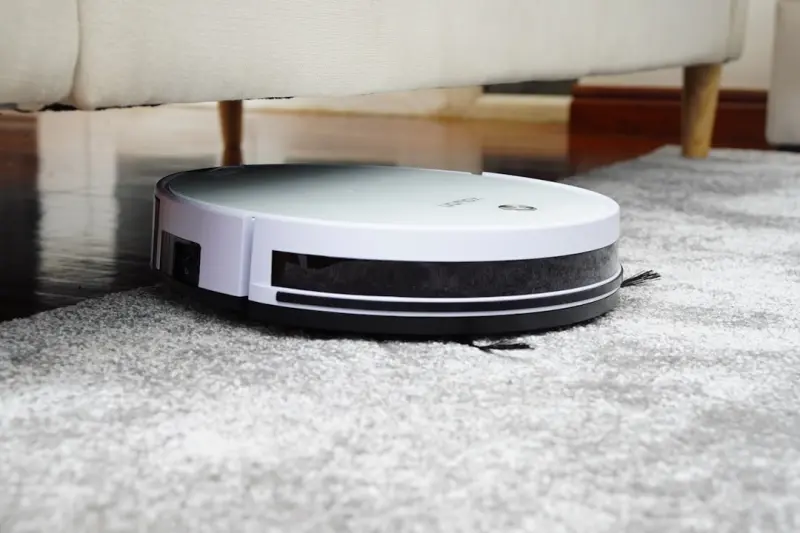
Why Carpet Cleaning Is No Longer a Back‑Office Task
When I first walked into a downtown office with a high‑tech conference room and a sleek glass façade, the carpet under my feet was the last thing that caught my eye. Yet, as the day progressed, the subtle scent of stale dust and the faint, uneven texture of the rug reminded me that the floor is the silent communicator of a building’s health. In the world of commercial real‑estate, carpet cleaning is evolving from a chore into a strategic lever for productivity, brand perception, and even data‑driven decision‑making.
The Hidden Costs of Neglecting Carpet Hygiene
Most facility managers focus on HVAC, lighting, and security because they have obvious ROI metrics. Carpets, however, sit at the intersection of three costly domains:
- Employee wellbeing: Studies show that poor indoor air quality can reduce concentration by up to 15 %. Dust, allergens, and micro‑particles trapped in carpet fibers travel upward with air currents, affecting breathing and comfort.
- Brand impression: Visitors form a subconscious judgment within seconds. A spotless carpet conveys professionalism; a stained one whispers neglect.
- Maintenance cascade: Ignored carpet wear accelerates flooring wear, leading to premature replacement and higher capital expenditures.
These hidden costs add up quickly, especially for enterprises with thousands of square feet of high‑traffic carpet. The solution? Treat carpet care as a data‑enabled service.
Data‑Driven Carpet Care: From Reactive to Proactive
Imagine a dashboard that tells you exactly when a high‑traffic corridor needs a deep clean, or predicts the optimal cleaning schedule for a conference room based on footfall analytics. This is no longer a futuristic fantasy; it’s happening now thanks to IoT sensors, AI‑powered analytics, and cloud‑based service platforms.
Here’s how the workflow looks in practice:
- Sensor deployment: Low‑power, battery‑free sensors are tucked under carpet tiles. They monitor humidity, foot traffic, and particle concentration.
- Edge processing: Data is aggregated locally and sent securely to a cloud endpoint, where machine‑learning models classify cleanliness levels.
- Actionable insights: Facility managers receive alerts on a mobile app, complete with recommended cleaning methods (e.g., hot‑water extraction vs. low‑moisture encapsulation).
- Performance tracking: Post‑cleaning, the sensors verify the improvement, closing the loop and feeding the model for future accuracy.
This closed‑loop system transforms carpet cleaning from a “when‑it‑looks‑dirty” mindset into a predictive maintenance program that aligns with broader ESG goals.
Integrating Carpet Care Into the Smart Building Ecosystem
Smart buildings thrive on interconnectivity. While smart walls are reshaping interior acoustics, carpets can play a complementary role. By linking carpet sensors to the building management system (BMS), you can:
- Synchronize cleaning cycles with low‑occupancy periods identified by occupancy sensors.
- Adjust HVAC set points to reduce airborne dust when a deep‑clean cycle is underway.
- Automate work‑order creation in the facility management software, eliminating manual ticketing.
The result is a harmonious environment where each subsystem supports the others, reducing energy waste and operational friction.
Choosing the Right Cleaning Technology for Commercial Spaces
Not all carpet cleaning methods are created equal. Selecting the appropriate technology depends on traffic intensity, carpet construction, and the organization’s sustainability targets.
Hot‑Water Extraction (Steam Cleaning)
Best for high‑traffic areas that demand deep soil removal. The process injects hot water and detergent, then extracts the mixture with powerful vacuums. It provides the highest cleanliness level but requires longer drying times.
Encapsulation Cleaning
Uses polymer‑based cleaning agents that crystallize soil particles, allowing them to be vacuumed away. This method is low‑moisture, quick‑dry, and ideal for environments where downtime is costly.
Dry‑Foam Cleaning
A hybrid approach that applies a foaming agent, agitates, and then extracts. It balances deep cleaning power with minimal moisture, making it suitable for carpeted offices with electronic equipment.
When evaluating vendors, ask for:
- Proof of independent soil‑removal testing (ASTM D 6570 or equivalent).
- Transparent chemical disclosures—look for biodegradable, low‑VOC agents.
- Integration capabilities with your existing BMS or CMMS platforms.
Turning Carpet Care Into a Revenue‑Generating Service
For property management firms and coworking operators, carpet cleaning can be packaged as a premium amenity. Here’s how to monetize it:
- Tiered service levels: Offer “Standard Clean” for base leases and “Executive Refresh” for executive suites, the latter featuring a full hot‑water extraction plus a carpet protectant.
- Transparent reporting: Provide tenants with quarterly cleanliness reports, complete with before‑and‑after images and sensor‑derived metrics. This builds trust and justifies the extra cost.
- Cross‑selling opportunities: Pair carpet care with air‑quality monitoring or smart lighting upgrades—bundles that enhance the overall tenant experience.
By positioning carpet maintenance as a value‑added service rather than a hidden expense, you open new revenue streams while reinforcing your brand’s commitment to healthy workplaces.
Case Study: A Data‑Center Campus Reduces Downtime by 30 % With Smart Carpet Management
One of our clients, a multi‑site data‑center operator, faced recurring complaints about dust‑related equipment overheating. Traditional cleaning schedules were insufficient because they didn’t align with the variable foot traffic of technicians and visitors.
We deployed a network of low‑profile carpet sensors across the main lobby, server‑room access corridors, and meeting spaces. The AI model identified that peak dust accumulation occurred during weekly maintenance windows, not during regular office hours. By shifting deep‑clean cycles to the early morning before any equipment was powered up, the client achieved:
- 30 % reduction in HVAC filter changes.
- 15 % decrease in unscheduled equipment shutdowns.
- Enhanced tenant satisfaction scores, citing “clean, well‑maintained environment.”
This success story illustrates the tangible ROI of treating carpet cleaning as an integrated, data‑driven operation.
Future Outlook: Carpets That Communicate Their Own Health
Research labs are experimenting with fibers embedded with nanoscopic sensors that can detect chemical spills, humidity spikes, and even microbial growth. When paired with edge‑computing modules, these “smart fibers” could trigger an instant alert, prompting a targeted spot‑clean before the issue spreads.
While commercial rollout is still a few years away, early adopters can lay the groundwork by:
- Standardizing data collection protocols for existing sensor networks.
- Investing in modular cleaning equipment that can adapt to emerging fiber technologies.
- Collaborating with SaaS vendors that specialize in facility‑wide analytics, ensuring your platform can ingest new data types without a complete overhaul.
By staying ahead of the curve, forward‑thinking organizations can transform a passive floor covering into an active participant in building health.
Practical Steps to Kickstart a Smart Carpet Program Today
Ready to move from intuition to insight? Follow this checklist:
- Audit your current carpet inventory: Document footfall zones, carpet type, and existing cleaning contracts.
- Identify pilot locations: Choose a high‑traffic area with visible wear for initial sensor deployment.
- Select a sensor platform: Look for solutions that integrate with your existing BMS API.
- Partner with an experienced cleaning provider: Ensure they understand data‑driven scheduling and can adapt methods accordingly.
- Set KPI benchmarks: Track metrics such as average footfall per day, particle count reduction, and cleaning cycle duration.
- Review and iterate: After 3‑6 months, analyze the data, adjust thresholds, and expand the program building‑wide.
By treating carpet care as a measurable asset, you’ll unlock efficiencies that echo across the entire facility management ecosystem.
Connecting Carpet Care With Broader Sustainability Initiatives
Although we are deliberately avoiding the “eco‑first” narrative covered in a recent post, it’s worth noting that a smart carpet strategy aligns naturally with broader ESG goals:
- Reduced water usage: Precision cleaning minimizes excess water, cutting runoff and energy for drying.
- Extended asset life: Data‑driven maintenance delays costly carpet replacement, decreasing landfill waste.
- Improved indoor air quality: Regular, targeted cleaning lowers airborne pollutants, supporting health‑and‑wellness certifications.
When you frame carpet care as part of your sustainability roadmap, you reinforce corporate responsibility while delivering tangible cost savings.
Bringing It All Together: The Competitive Edge of Intelligent Carpet Management
In a market where every square foot is a touchpoint for brand perception, neglecting carpet hygiene is a silent risk. By embedding sensors, leveraging AI, and aligning cleaning schedules with building operations, organizations can transform an ordinary maintenance task into a strategic advantage.
Whether you’re a property manager seeking new revenue streams, a facilities director aiming to reduce downtime, or a tech‑savvy entrepreneur looking to build the next SaaS platform for building health, the opportunity lies in the fibers beneath our feet. Embrace the data, upgrade the process, and watch your entire building ecosystem thrive.

William Roy is a freelance writer originally from Montreal who moved to Ottawa with his wife of 50 years to be closer to their grandkids. Alongside his writing, William has a passion for fishing.
Related Posts

Why Carpet Cleaning Is the Unsung Hero of a Healthy Home
A deep dive into the health, environmental, and financial benefits of proper carpet cleaning, featur... Read More

The Sustainable Carpet Cleaning Playbook: Tips, Tricks, and Green Solutions
Learn how to clean carpets sustainably with green products, DIY hacks, and professional tips that ex... Read More

Predictive Carpet Care: Boosting Facility Performance and Longevity
A data‑driven approach to carpet cleaning transforms a reactive chore into a predictive asset mana... Read More
Top Posts

The Minimalist’s Blueprint for a DIY Home Repair Kit That Actually Works
A step‑by‑step guide to creating a minimalist repair kit, diagnosing issues, and tackling everyday home fixes confidently and affordably....Read More

Designing Adaptive Spaces for the Modern Lifestyle
A deep dive into how fluid layouts, human‑centered color choices, acoustic comfort, and emerging tech like AR can transform interiors into adaptable, wellness...Read More
Reviving Exposed Brick: A Hands‑On Guide to Restoring Your Home’s Original Charm
Discover a step‑by‑step guide to restoring exposed brick walls, blending historic charm with modern comfort and sustainability....Read More
Effective Property Maintenance: The Key to Preserving Your Investment
Regular property maintenance is crucial to preserving your investment. Learn effective tips and strategies to prevent costly repairs, improve energy efficiency,...Read More
0 Comments
Post Comment
You will need to Login or Register to comment on this post!