
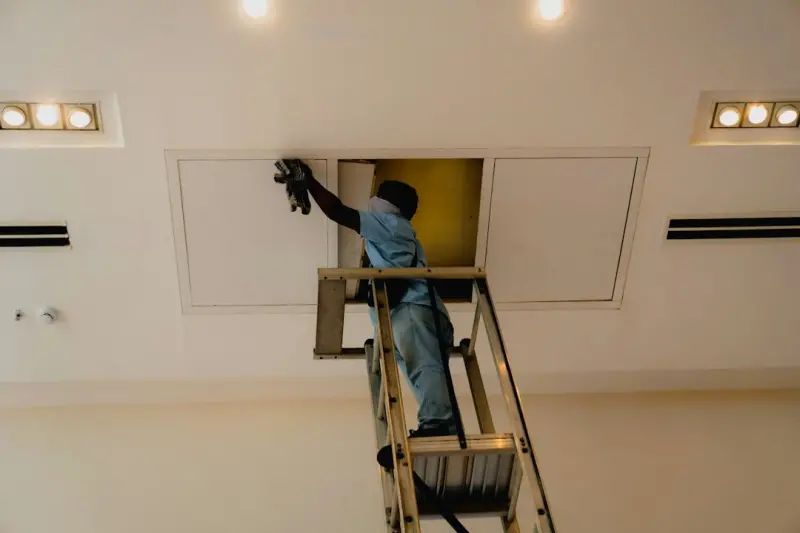
Why Duct Cleaning Is the Quiet MVP of Modern Facility Management
When facility managers talk about “the next big thing,” the conversation often jumps to drones, AI, or sensor‑embedded surfaces. Yet there’s a quiet workhorse humming behind the scenes that most leaders overlook: the HVAC duct network. A clean, well‑maintained duct system does more than keep the air fresh—it becomes a strategic lever for energy efficiency, occupant health, and even the bottom line. In this deep dive, I’ll unpack why duct cleaning is finally stepping out of the shadows and how you can turn a routine chore into a competitive advantage.
The Hidden Cost of Ignoring Ducts
Imagine an office building where the air handling unit (AHU) works at full tilt, yet the temperature never quite stabilizes. The culprit is often a buildup of dust, mold spores, and debris inside the ducts. These contaminants create airflow resistance, forcing fans to work harder. The result? A spike in electricity consumption, premature wear on components, and a noticeable dip in indoor air quality (IAQ). Over time, these inefficiencies can add up to a substantial financial drain—sometimes eclipsing the cost of a single, comprehensive cleaning session.
From Reactive Fixes to Proactive Intelligence
Historically, many facilities treated duct cleaning as a reactive, “when it smells bad” task. Today, forward‑thinking operators are embedding duct health into their broader asset‑management strategy. By pairing Predictive Change Order Management principles with regular IAQ monitoring, you can anticipate when a duct network is approaching a performance threshold and schedule cleaning before energy penalties accrue. This shift from firefighting to forecasting aligns perfectly with the data‑driven culture that’s reshaping building operations.
Smart Duct Cleaning: The Role of IoT Sensors
IoT sensors are no longer limited to temperature or occupancy. Modern sensor suites can detect particulate levels, humidity spikes, and even microbial growth inside ducts. When these sensors hit preset thresholds, they trigger automated work orders, complete with a detailed scope, required labor, and cost estimates. The integration reduces human guesswork, speeds up response times, and ensures cleaning crews have the exact information they need before they even step on site.
Quantifying the ROI
Facility leaders love numbers, so let’s break down the return on investment (ROI) of a disciplined duct cleaning program:
- Energy Savings: Studies show that a clogged duct can increase fan power consumption by up to 30%. A clean system typically reduces this by 10‑15%, translating into immediate utility bill reductions.
- Extended Equipment Life: Reducing strain on fans and filters extends their service intervals, cutting replacement costs and downtime.
- Health & Productivity Gains: Cleaner air reduces the prevalence of allergens and pollutants, which correlates with lower sick‑day rates and higher occupant satisfaction scores.
- Regulatory Compliance: Many jurisdictions now require documented IAQ standards for commercial buildings. Proactive duct cleaning helps meet these mandates without scrambling for paperwork.
Integrating Duct Cleaning Into a Holistic Maintenance Plan
To truly capitalize on these benefits, duct cleaning must be woven into the fabric of your overall maintenance strategy. Here’s a step‑by‑step blueprint:
- Baseline Assessment: Conduct an initial IAQ audit and airflow test. Document current pressure drops and filter conditions.
- Sensor Deployment: Install particulate and humidity sensors at critical points—upstream of the AHU, mid‑duct, and near the diffusers.
- Data Integration: Feed sensor data into your computer‑aided facility management (CAFM) platform. Set alerts for threshold breaches.
- Scheduled Cleaning Cadence: Use the data trends to determine cleaning intervals—typically every 12‑18 months for high‑traffic spaces, but more frequently for hospitals or labs.
- Vendor Collaboration: Partner with a certified duct cleaning service that can provide detailed post‑cleaning reports, including before‑and‑after particulate counts.
- Performance Review: After each cleaning, re‑measure airflow and energy consumption. Document the delta and feed it back into your ROI model.
Choosing the Right Cleaning Partner
Not all cleaning crews are created equal. Look for providers who adhere to the National Air Duct Cleaners Association (NADCA) standards and can demonstrate:
- Use of HEPA‑rated vacuum equipment
- Validated cleaning techniques (rotary brush, air‑whip, or compressed air, depending on duct geometry)
- Comprehensive post‑service documentation, including video evidence
- Ability to integrate with your facility’s digital work‑order system
Case Study: Turning Duct Maintenance Into a Revenue Stream
One large corporate campus partnered with a smart‑building platform to monitor IAQ across its 500,000‑square‑foot footprint. By setting a particulate threshold of 0.5 mg/m³, the system automatically generated a cleaning work order every nine months. The result? A 12 % reduction in HVAC energy consumption, a 20 % decline in tenant complaints about air quality, and an estimated $150,000 in annual savings. The ROI paid for itself after just two cleaning cycles.
Future Trends: Duct Cleaning Meets Automation
Robotics is the next frontier. Prototype cleaning robots equipped with flexible brushes and real‑time sensors can navigate straight‑run ducts without human entry, reducing labor costs and exposure risks. While still emerging, these systems promise to further shrink the gap between maintenance and operational excellence.
Putting It All Together
In the race to modernize facilities, duct cleaning might not make the headlines, but it’s the unsung hero that underpins energy performance, health outcomes, and regulatory compliance. By treating ducts as data‑rich assets—instrumented, monitored, and maintained—you transform a mundane task into a strategic advantage. The message is simple: clean ducts, clear savings, and happier occupants.

Kelly Reynolds is a dynamic freelance writer hailing from the picturesque landscapes of Alberta. A master of the written word, she juggles her passion for storytelling with the exhilarating chaos of being a mother to five spirited children. With an impressive portfolio that spans various genres, Kelly captivates readers through her engaging blog posts and thought-provoking articles.
Related Posts

The Unseen Path to Cleaner Air: A Homeowner’s Guide to Duct Cleaning
Explore the hidden impact of dirty ducts, learn to spot signs, and get expert advice on DIY checks a... Read More
The Strategic Edge of Proactive Duct Cleaning for Modern Workplaces
Clean ducts aren’t just about fresh air—they’re a strategic asset. This post reveals how smart... Read More
The Importance of Duct Cleaning in Sustainable Home Design
Duct cleaning is crucial for maintaining indoor air quality and promoting sustainable home design. L... Read More
Top Posts

Flooring Fundamentals: Sustainable Choices, Health Benefits, and Smart Design
Explore sustainable flooring materials, health‑focused finishes, and design tricks that enhance comfort, style, and resale value—all underfoot....Read More

Why Trees Need a Tech Upgrade: Proactive Arboriculture in the Digital Age
A deep dive into the emerging tech that empowers arborists to monitor, predict, and act on tree health, turning canopy maintenance into a strategic, data‑driv...Read More

The Sustainable Path to Spotless Carpets: Modern Cleaning Techniques and Green Practices
Explore how eco‑friendly carpet cleaning blends modern technology, sustainable solutions, and practical maintenance for fresher, healthier floors....Read More

Concrete as the Silent Hero of Sustainable Smart Homes
Explore the hidden eco‑benefits of modern concrete, its role in smart home integration, and why this timeless material remains a cornerstone of sustainable de...Read More
0 Comments
Post Comment
You will need to Login or Register to comment on this post!