
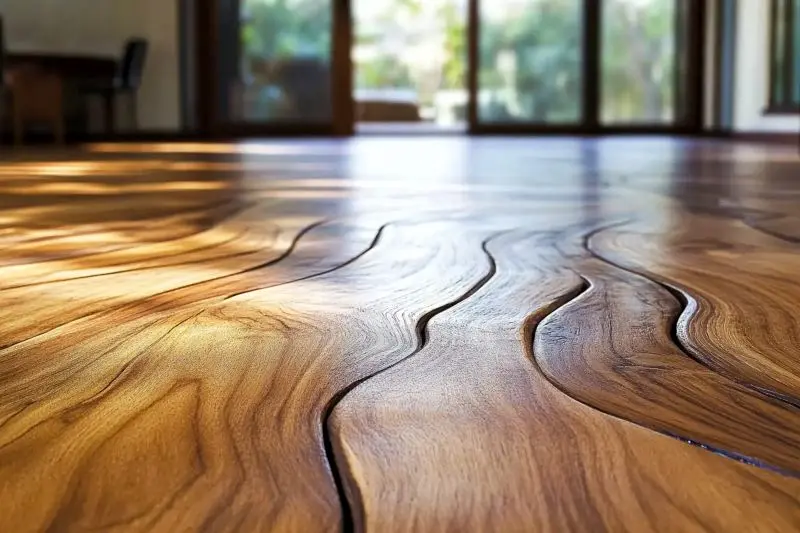
The Hidden Power of Flooring
When you step onto a room, the floor is the first thing your senses register, yet most homeowners treat it as a mere utility surface. Flooring is the silent architect of comfort, acoustics, and even mood, shaping how a space feels from the moment you enter. By selecting materials that balance durability with aesthetic intent, you create a foundation that supports daily life while subtly influencing well‑being, making each step an experience rather than a routine.
Choosing Eco‑Friendly Materials
Today’s market offers a cornucopia of sustainable options: reclaimed hardwood salvaged from old barns, fast‑growing bamboo that matures in just a few years, cork harvested from renewable bark, and high‑performance linoleum made from natural oils and pigments. Each of these choices carries a lower carbon footprint than traditional oak or laminate, and they often boast impressive resilience that rivals their conventional counterparts. Embracing these greener alternatives not only reduces environmental impact but also adds a narrative of stewardship to your home’s story.
Beyond the obvious environmental benefits, many of these materials excel in indoor‑air quality. Low‑VOC (volatile organic compound) finishes and adhesives ensure that the floor does not become a source of hidden pollutants, a crucial factor for families with young children or allergy sufferers. By prioritizing healthy flooring solutions, you protect respiratory health while maintaining the sleek, modern look that contemporary design demands.
For those seeking a blend of durability and style, consider exploring durable flooring solutions that stand up to high traffic and accidental spills without compromising on visual appeal. Modern finishes now incorporate nanotechnology to resist scratches and stains, extending the life of the floor and reducing the need for frequent replacements.
Design Strategies That Pay Off
Flooring can be a powerful visual tool for manipulating perceived space. Light‑colored planks or large‑format tiles reflect more light, making compact rooms feel airy, while darker tones anchor larger areas, adding a sense of intimacy. Introducing subtle patterns—such as chevron, herringbone, or staggered brick—creates movement that guides the eye, adding depth without overwhelming the palette.
Layering textures is another underutilized technique. Pair a soft, woven rug over a sleek polished concrete slab, or juxtapose a smooth bamboo surface with a reclaimed wood border to add tactile contrast. This interplay not only enriches the sensory experience but also delineates zones in open‑plan homes without the need for additional walls.
When you’re ready to push the envelope, explore latest tile innovations that incorporate recycled glass, porcelain‑wood composites, or even 3‑D printed patterns, offering endless customization while staying eco‑conscious. These cutting‑edge options allow you to tailor the floor’s visual language to the unique story of each room.
Resale Value and Buyer Expectations
Smart homeowners recognize that flooring is a pivotal factor in appraisal and buyer perception. A well‑chosen, high‑quality floor can add thousands of dollars to a property’s market value, especially when it aligns with current design trends that emphasize sustainability and low maintenance. Buyers increasingly scout for homes that require minimal immediate upgrades, and a pristine, responsibly sourced floor checks both boxes.
Moreover, transparent documentation of material origins and warranties can differentiate your listing in a crowded market. When you can show that your bamboo flooring carries a 25‑year wear‑through guarantee and is certified by the Forest Stewardship Council, you convey confidence and credibility, turning a simple feature into a compelling selling point.
Smart Integration Without the Gimmick
Flooring is evolving beyond static surfaces, becoming a platform for subtle technology integration. Pressure‑sensitive mats can trigger lighting scenes, while conductive layers beneath the surface enable floor‑level charging stations for smart devices. These innovations maintain the clean aesthetic of the room while adding functional convenience that modern buyers appreciate.
Importantly, these smart layers are designed to be invisible and durable, avoiding the pitfalls of bulky hardware that can detract from a room’s visual harmony. When paired with energy‑efficient underfloor heating (a quiet luxury many homeowners already enjoy), the result is a seamless, responsive environment that reacts to occupancy patterns without demanding constant manual adjustments.
DIY vs. Professional Installation
While the allure of a DIY floor makeover can be strong, the decision hinges on material complexity, subfloor condition, and personal skill level. Simple click‑lock laminate or engineered hardwood often lends itself to weekend projects, provided the subfloor is level and moisture‑controlled. However, more demanding materials like stone, cork, or reclaimed wood may require precise cutting, specialized adhesives, and careful acclimation.
Budget considerations also play a role. Investing in a professional installer can prevent costly mistakes such as improper expansion gaps, which lead to buckling or warping over time. Yet, many homeowners find a middle ground by hiring experts for critical steps—like subfloor preparation—while handling the finishing layers themselves, achieving both cost savings and quality assurance.
Final Thoughts
Choosing the right floor is an act of storytelling, sustainability, and strategic investment. By focusing on eco‑friendly materials, health‑centric finishes, and thoughtful design tactics, you elevate everyday living while positioning your home for future resale success. Whether you opt for a hands‑on DIY approach or enlist professional expertise, let your floor reflect the values you hold dear—beauty, durability, and responsibility—all underfoot.

When it comes to the world of blogging and writing, Rose DesRochers is a name that stands out. Her passion for creating quality content and connecting with her audience has made her a trusted voice in the industry. Aside from her skills as a writer and blogger, Rose is also known for her compassionate nature.
Related Posts
Turning Floors into Interactive Workspaces: The Next Frontier in Office Design
Discover how embedding sensors into flooring turns a simple surface into a strategic asset, deliveri... Read More
Quiet Revolution: Flooring That Boosts Home Audio
Discover the hidden power of acoustic flooring, from underlayments to biophilic materials, and learn... Read More

The Hidden Impact of Flooring: Mood, Money, and Modern Living
Explore how the right flooring influences mood, enhances resale value, and merges with smart tech an... Read More
Top Posts

The Quiet Garage: Mastering Soundproofing for a Peaceful Home Extension
A garage doesn’t have to be an echo‑filled afterthought. Learn practical acoustic strategies, material choices, and tech integrations that turn any garage i...Read More

Smart Restoration: Merging Heritage Craft with IoT Precision
Smart Restoration blends deep diagnostics, circular material stewardship, and IoT‑enabled climate control to preserve historic character while delivering mode...Read More
Concrete Creations: Turning Slabs into Stories
Discover the hidden artistry of concrete—from historic roots to modern DIY projects—showcasing sustainable mixes, decorative techniques, and collaborations ...Read More
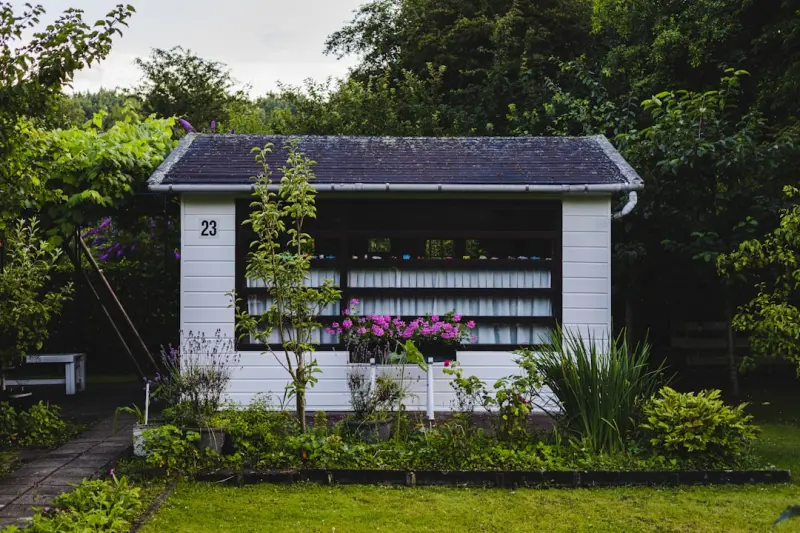
Backyard Sheds & Gazebos: From Storage to Lifestyle Hubs
Explore practical upgrades, sustainable materials, and smart tech that turn ordinary backyard sheds and gazebos into year‑round lifestyle hubs, boosting comfo...Read More
0 Comments
Post Comment
You will need to Login or Register to comment on this post!