

Why Trees Need a Tech Upgrade: A New Era of Proactive Arboriculture
When most people think about tree care, they picture a pair of pruning shears, a ladder, and a seasoned arborist who knows the rhythm of the seasons. That picture is accurate, but it’s also incomplete. In today’s rapidly evolving urban environment, trees are facing stressors they’ve never encountered before—heat islands, air pollution spikes, and unpredictable weather patterns. To keep our canopies thriving, we must bring the same level of intelligence we give to buildings and infrastructure into the forest canopy.
From Reactive to Predictive: The Shift in Tree Management Philosophy
Traditional arboriculture is largely reactive: a branch breaks, a leaf turns yellow, or a disease spreads, and the response follows. This “fix‑after‑it‑breaks” model is costly, can endanger public safety, and often fails to address the root causes of decline. A predictive approach, powered by technology, flips the script. By continuously gathering data on tree health, we can anticipate stress events weeks or even months before they become visible.
Core Technologies Transforming Tree Care
Three pillars support this transformation:
- IoT Sensors—tiny, weather‑resistant devices that monitor moisture, temperature, sap flow, and even acoustic signatures of pest activity.
- Machine Learning Analytics—algorithms that crunch sensor data alongside satellite imagery and climate forecasts to flag anomalies.
- Mobile Field Platforms—apps that deliver actionable insights straight to an arborist’s pocket, ensuring the right treatment at the right time.
Installing Sensors Without Becoming a Tree‑Hugging Nerd
Many property managers worry that outfitting trees with sensors will look intrusive or require a massive budget. The truth is the opposite. Modern sensors are designed to blend into bark and foliage. They’re solar‑powered, transmit data over low‑energy LoRaWAN networks, and can be installed in under ten minutes using a simple mounting kit.
Here’s a quick field checklist:
- Identify the tree’s main trunk and select a sensor rated for the tree’s diameter.
- Attach the sensor using a biodegradable strap—no drilling or permanent fixtures required.
- Power the unit with a flexible solar panel or rely on the built‑in battery that lasts up to a year.
- Pair the sensor with the central cloud platform using a QR code scan on your phone.
Once the network is live, each tree becomes a data point in a living map of urban canopy health.
Turning Raw Data Into Actionable Insight
Collecting data is only half the battle. The other half is interpreting it in a way that drives real‑world decisions. This is where real‑time 3D digital twins of the landscape become invaluable. By overlaying sensor feeds onto a 3D model of a street or park, arborists can visualize moisture gradients, detect early signs of root rot, and plan interventions that minimize disruption.
Machine learning models trained on historical disease outbreaks can predict the likelihood of fungal infections based on subtle changes in sap flow and leaf temperature. When the model flags a high‑risk tree, the system automatically generates a work order, assigns it to the nearest crew, and suggests the optimal treatment—be it targeted irrigation, a fungicide injection, or a pruning schedule.
Case Study: A Downtown Plaza That Grew Greener
Consider a mid‑size downtown plaza that struggled with a series of oak trees shedding limbs after an unusually hot summer. The facilities team installed a network of 25 moisture and temperature sensors across the canopy and integrated the data with an mobile toolkit used by their maintenance crew.
Within two weeks, the analytics platform identified a pattern: the southern exposure trees were experiencing a 30% higher transpiration rate due to wind tunnel effects created by adjacent high‑rise buildings. The system recommended a micro‑irrigation schedule that delivered just enough water to balance the deficit without overwatering the north‑side trees.
After implementing the plan, the plaza saw a 40% reduction in leaf scorch reports and a 25% drop in emergency pruning calls. The city saved thousands of dollars in reactive repairs and, more importantly, preserved the aesthetic and environmental benefits of a thriving canopy.
Integrating Tree Health Data With Building Management Systems
For property owners who already use building automation platforms, extending the network to include tree health data creates a holistic view of site performance. Imagine a scenario where a building’s HVAC system ramps up cooling on an exceptionally hot day, while the adjacent trees receive a supplemental misting boost—both actions coordinated to keep indoor temperatures comfortable and outdoor foliage hydrated.
This synergy mirrors the concept of “smart” building envelopes, but it adds the living, breathing element of the urban forest. By treating trees as active infrastructure, we unlock new efficiencies and sustainability metrics that can be reported to stakeholders and regulators alike.
Economic Upside: Turning Tree Care Into a Business Asset
Beyond the ecological payoff, proactive tree management can directly influence a company’s bottom line. Healthy trees improve property values, reduce energy consumption through natural shading, and enhance employee wellbeing—factors that translate into higher occupancy rates and lower turnover.
When you can demonstrate quantifiable ROI—such as a 15% reduction in cooling loads or a 10% increase in foot traffic due to an inviting green environment—tree care moves from a maintenance expense to a strategic investment.
Addressing Common Concerns
Cost: The upfront expense of sensors and platform subscriptions can be offset by the reduction in emergency service calls and the energy savings associated with healthier canopies.
Data Overload: Modern platforms use AI to filter noise and surface only the insights that matter, delivering concise alerts rather than raw streams of numbers.
Privacy: Sensor data is strictly limited to environmental metrics; there’s no video or audio recording, ensuring compliance with privacy regulations.
Getting Started: A Five‑Step Playbook
- Audit Your Assets—Map existing trees, note species, size, and known issues.
- Select a Scalable Sensor Suite—Choose devices that support the climate conditions of your region.
- Integrate With Existing Platforms—Leverage APIs to feed data into building management or asset tracking systems.
- Train Your Team—Use mobile toolkits and dashboards to empower field crews with actionable insights.
- Measure and Iterate—Track key performance indicators such as water usage, disease incidence, and cost savings, and refine the model accordingly.
The Future: From Trees to Urban Forest Networks
Imagine a city where every tree is a node in a living network, communicating its needs to a central hub that balances water distribution, pest control, and even carbon sequestration credits. This vision isn’t far off. As sensor costs continue to fall and AI models become more sophisticated, the integration of arboreal data into urban planning will become as commonplace as streetlights.
By embracing this technology today, we set the stage for resilient, thriving canopies that support both people and the planet for decades to come.

David MacKinnon is a dynamic freelance writer known for his captivating storytelling and keen insights into the world of technology. With a passion for exploring the intersection of innovation and everyday life, he crafts engaging narratives that not only inform but also inspire his readers.
Related Posts
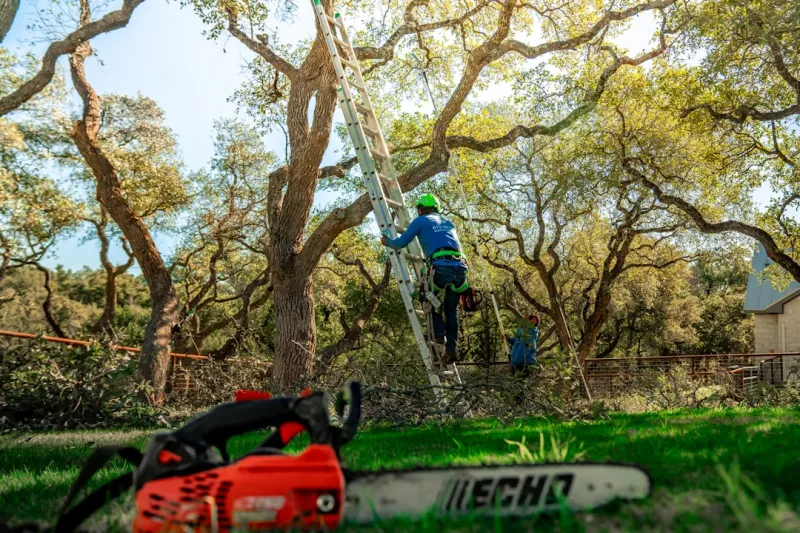
The Role of Trees in Sustainable Home Design
Trees play a vital role in sustainable home design, providing benefits like energy efficiency, air q... Read More
Tree Care as a Strategic Asset: From Soil to Skyline
A deep dive into practical tree care: early warning signs, seasonal pruning, soil health, tech‑ena... Read More

Nurturing Trees Year‑Round: A Holistic Guide to Soil, Water, and Pruning
Discover a season‑aware, holistic strategy for thriving trees—soil microbes, strategic mulching,... Read More
Top Posts

Beyond Aesthetic: How Smart Paint Transforms Home Functionality
Smart paints are redefining home renovation, offering antimicrobial protection, energy‑saving color shifts, conductive pathways, and even solar power generati...Read More

The Next Frontier: Smart Windows & Doors as Building Interfaces
Smart windows and doors are evolving from passive barriers into active, data‑rich interfaces that boost energy efficiency, improve occupant wellness, and enab...Read More

Awning Innovation: Smart Shade Solutions for Modern Living
Explore the evolution of awnings from simple shade to AI‑driven, solar‑powered extensions that enhance comfort, cut energy costs, and blend seamlessly with ...Read More
The Sustainable Benefits of Eco-Friendly Garage Doors
Eco-friendly garage doors offer a range of sustainable benefits, from energy efficiency to reduced environmental impact. Learn how to make your garage door more...Read More
0 Comments
Post Comment
You will need to Login or Register to comment on this post!