
Embracing the Warmth of Sustainability: The Rise of Floor Heating
As we continue to navigate the complexities of sustainable living, it's essential to consider the often-overlooked aspects of our homes. One such aspect is floor heating, a system that not only provides comfort but also offers a unique opportunity to reduce our environmental footprint. In this article, I'll explore the world of floor heating, its benefits, and how it can be integrated into your sustainable home.
The Benefits of Floor Heating
Floor heating is a system that involves installing heating elements, such as pipes or electric mats, under the floor to warm up the space. This approach has several benefits, including energy efficiency and even heat distribution. Unlike traditional heating systems, which can create hotspots and waste energy, floor heating provides a consistent and comfortable warmth throughout the room.
In addition to its functional benefits, floor heating also offers a range of aesthetic advantages. For example, it eliminates the need for radiators and other heating units, creating a more streamlined and modern look. This can be particularly appealing in open-plan living spaces, where a minimalist aesthetic is often desired.
Sustainable Floor Heating Options
As we explore the world of floor heating, it's essential to consider sustainable options that minimize our environmental impact. One such option is hydronic floor heating, which involves circulating warm water through pipes under the floor. This approach can be powered by renewable energy sources, such as solar or geothermal energy, making it an attractive option for eco-conscious homeowners.
Another sustainable option is electric floor heating, which uses electric mats or cables to warm up the floor. While this approach may seem less sustainable than hydronic heating, it can still be an effective and efficient way to heat your home. Look for eco-friendly electric floor heating systems that use recycled materials and minimize energy consumption.
Integrating Floor Heating into Your Sustainable Home
So, how can you integrate floor heating into your sustainable home? The first step is to assess your home's insulation and energy efficiency. A well-insulated home will require less energy to heat, making floor heating a more viable option. Consider conducting a green home inspection to identify areas for improvement.
Once you've assessed your home's energy efficiency, you can begin exploring floor heating options. Consider consulting with a professional to determine the best approach for your home and climate. They can help you choose the most suitable system and ensure that it's installed correctly.
Maintenance and Upkeep
Like any heating system, floor heating requires regular maintenance to ensure optimal performance. This includes checking for leaks and monitoring energy consumption. Regular maintenance can help extend the lifespan of your floor heating system and prevent costly repairs.
In addition to regular maintenance, it's essential to consider the long-term costs of floor heating. While the initial installation costs may be higher than traditional heating systems, floor heating can offer significant energy savings over time. This makes it an attractive option for homeowners looking to reduce their environmental footprint and save on energy bills.
The Future of Floor Heating
As we look to the future, it's clear that floor heating will play an increasingly important role in sustainable home design. With the rise of smart home technology and renewable energy sources, floor heating is becoming more efficient and accessible. We can expect to see more innovative solutions and products emerge, making it easier for homeowners to adopt sustainable floor heating systems.
In conclusion, floor heating offers a unique opportunity to reduce our environmental footprint while providing comfort and style. By exploring sustainable options and integrating floor heating into our homes, we can create a more eco-friendly and comfortable living space. As we continue to navigate the complexities of sustainable living, it's essential to consider the often-overlooked aspects of our homes, including floor heating.
Additional Tips and Considerations
* Consider using recycled materials for your floor heating system, such as recycled metal or plastic. * Look for energy-efficient floor heating systems that use minimal energy to heat your home. * Consult with a professional to determine the best floor heating system for your climate and home type.
Some key considerations for homeowners looking to adopt floor heating include:
- Initial installation costs: While the upfront costs of floor heating may be higher than traditional heating systems, it can offer significant energy savings over time.
- Maintenance and upkeep: Regular maintenance is essential to ensure optimal performance and extend the lifespan of your floor heating system.
- Energy efficiency: Look for energy-efficient floor heating systems that use minimal energy to heat your home.
By considering these factors and exploring sustainable floor heating options, homeowners can create a more eco-friendly and comfortable living space. For more information on sustainable home design and energy efficiency, check out The Evolution of Sustainable Property Maintenance.

Paul Gray is a dynamic blogger based in Brampton, where he shares his life with his amazing wife, Sarah. Known for his engaging writing style and relatable insights, Paul has carved out a niche in the blogging world that resonates with readers from all walks of life. When he's not crafting captivating posts, you can find him savoring a cold beer or indulging in the latest blockbuster movie. With a friendly demeanor and a passion for storytelling, Paul brings a unique perspective to his work, making him not just a blogger, but a voice for those who appreciate the simple joys of life.
Related Posts
Radiant Floor Heating: A Cozy, Sustainable Upgrade for Modern Homes
Explore the hidden benefits of radiant floor heating—from energy savings and design freedom to sma... Read More

Warmth Beneath the Past: Integrating Radiant Floor Heating into Historic Homes
A guide to seamlessly installing radiant floor heating in historic properties, balancing preservatio... Read More

Radiant Comfort Meets Intelligent Infrastructure
Discover why modern floor heating is a strategic asset for businesses, delivering energy savings, he... Read More
Top Posts

The Sustainable Awning Revolution: A Game-Changer for Eco-Friendly Homes
The sustainable awning revolution is a game-changer for eco-friendly homes. Learn about the environmental benefits, energy efficiency, and cost savings of susta...Read More
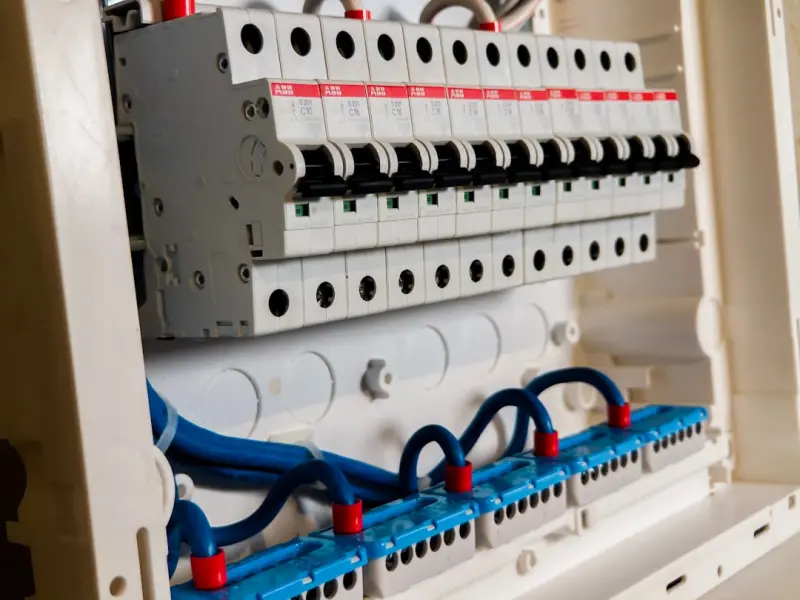
Powering the Future Home: Adaptive Electrical Panels and On‑Demand Energy Management
Adaptive electrical panels transform traditional breaker boxes into intelligent energy managers, enabling real‑time monitoring, load shifting, and seamless in...Read More

Sensor‑Embedded Pavement: Redefining Urban Mobility
Sensor‑embedded pavement integrates durable sensors into roadways, turning static surfaces into data‑rich assets. This post explains the technology, its ben...Read More

Restored Furniture: The Untapped Asset Fueling Authentic Brand Growth
Restoring furniture isn’t just about preserving the past; it’s a strategic move that enhances brand authenticity, sustainability, and revenue, turning each ...Read More
0 Comments
Post Comment
You will need to Login or Register to comment on this post!