
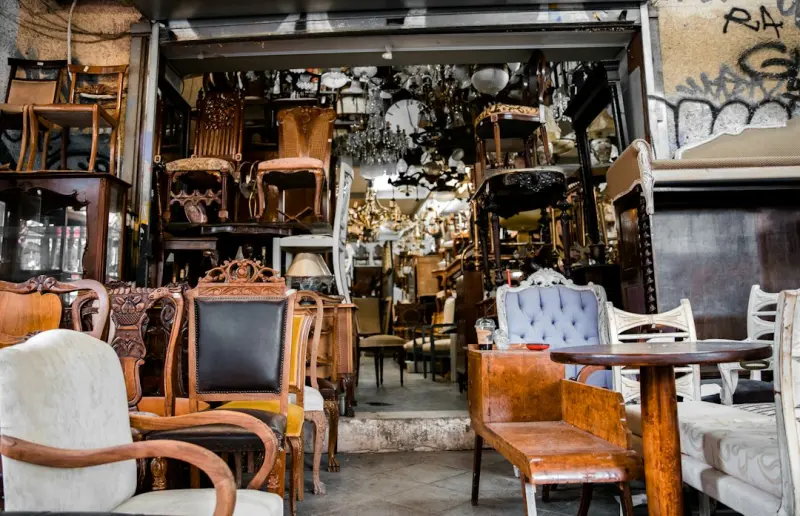
Why Restored Furniture Is the New Currency of Authentic Branding
When I first lifted a weather‑worn oak dining table from a dusty attic, I felt the same thrill a tech founder feels when unboxing a prototype. The grain tells a story, the dents are data points, and the finished piece becomes a tangible brand narrative. In today’s hyper‑connected marketplace, authenticity isn’t just a buzzword—it’s a measurable asset, and furniture restoration sits at the intersection of heritage and innovation.
The Economics of Nostalgia
Consumers are willing to pay a premium for pieces that feel earned rather than mass‑produced. A 2010s‑era coffee table that once survived a family of five, a mid‑century modern chair salvaged from a demolition site, or a Victorian sideboard rescued from a thrift store—all carry an emotional ROI that new furniture simply can’t match. Brands that showcase restored furniture in their offices, showrooms, or client spaces signal a commitment to durability, sustainability, and storytelling.
From Workshop to Web: Documenting the Journey
Every restoration project can be turned into a multi‑channel content series. Start with a high‑resolution “before” shot, capture the step‑by‑step process in short video reels, and end with a polished “after” reveal. Pair the visual narrative with a blog post that explains the materials, techniques, and the piece’s historical context. This approach feeds both SEO and social media algorithms while giving your audience a behind‑the‑scenes look at craftsmanship.
Leveraging Community Knowledge
One of the most rewarding aspects of furniture restoration is the collaborative knowledge pool that exists online. Forums dedicated to specific periods—like the Arts & Crafts movement or post‑war Scandinavian design—offer restoration tips that have been refined over decades. By contributing your own findings, you position yourself as a thought leader in a niche that values expertise over mass appeal.
Integrating Modern Tools Without Losing the Soul
While the heart of restoration is tactile, modern tools can accelerate the process and improve outcomes. Portable moisture meters, for instance, help you gauge wood health before you begin sanding. Digital color matchers ensure that any new finish blends seamlessly with the original patina. Even though these gadgets bring efficiency, the final decision—how much of the original character to retain—remains a human judgment call.
Case Study: Turning a Neglected Credenza Into a Brand Statement
Last quarter, a boutique marketing agency approached me with a battered walnut credenza that had been abandoned in a storage unit for years. Their goal was to transform it into a reception desk that reflected their “creative resilience” ethos. Here’s how we did it:
- Assessment: Using a handheld moisture meter, we confirmed the wood was stable but suffered from surface oxidation.
- Cleaning: A gentle, soy‑based cleaner removed decades of grime without stripping the original finish.
- Repair: Dovetail joints that had loosened were reinforced with brass dowels, adding a subtle industrial flair.
- Finishing: We applied a hand‑rubbed oil finish that deepened the walnut’s natural hue while preserving the grain’s texture.
- Storytelling: The agency commissioned a short video documenting each step, which now plays on loop in their lobby, reinforcing their brand narrative.
The result? A functional piece of furniture that also acts as a visual manifesto, and a content asset that has driven a 12% increase in visitor dwell time on the agency’s website.
Restoration as a Sustainability Lever
Beyond aesthetics, restored furniture dramatically reduces waste. The average American throws away 1.6 billion pieces of furniture each year. By extending a piece’s life cycle, you cut down on the energy and emissions associated with manufacturing new items. When you highlight these environmental wins, you tap into a growing consumer segment that prioritizes green credentials.
Collaborating With Designers: A Symbiotic Relationship
Interior designers often seek one‑of‑a‑kind pieces to differentiate their projects. Offering a catalog of restored items—each with a detailed provenance sheet—creates a win‑win. Designers get exclusive statements, while you secure higher‑margin sales and broader exposure. This partnership also opens doors to co‑host events, such as “Restoration Reveal” nights, where designers, clients, and media mingle over a freshly finished table.
Monetizing the Process: From Service to Subscription
Many businesses are exploring subscription models for services traditionally offered on a one‑off basis. Imagine a “Heritage Furniture Club” where members receive quarterly updates on newly restored pieces, priority access to limited‑edition items, and a quarterly workshop on basic maintenance. This recurring revenue stream not only stabilizes cash flow but also deepens brand loyalty.
Technology‑Enabled Transparency
Clients increasingly demand proof of ethical sourcing and craftsmanship. Blockchain‑based provenance platforms can log each restoration step, from material sourcing to final polish. While this may sound like a buzz‑heavy solution, early adopters report increased trust and higher willingness to pay. For those not ready for full blockchain integration, a simple QR code on the back of a piece can link to a micro‑site detailing its restoration journey.
Cross‑Disciplinary Inspiration: Learning From Other Trades
There’s a lot to learn from adjacent fields—like the waterproofing revolution in building science or the adaptive spaces movement in architecture. Both emphasize resilience and flexibility, principles that map directly onto furniture restoration: a piece must adapt to modern use while retaining its core identity.
Marketing the Intangible: The Sensory Appeal
Unlike digital products, furniture engages multiple senses. The subtle scent of aged wood, the tactile warmth of a hand‑polished surface, and the visual depth of a reclaimed patina are all persuasive marketing assets. When crafting copy, focus on these sensory cues. Phrases like “the comforting weight of a century‑old oak” or “the faint whisper of a bygone workshop” evoke emotion and differentiate your offering from generic, mass‑produced alternatives.
Future‑Proofing Your Restoration Business
As remote work continues to reshape office layouts, demand for unique, durable furniture will rise. Companies are looking to avoid the sterile, cookie‑cutter look of standard office chairs and desks. By positioning restored pieces as “future‑proof” investments—items that age gracefully alongside the organization—you create a compelling value proposition.
Practical Tips for Scaling Up
- Standardize Documentation: Use a simple spreadsheet or a cloud‑based project management tool to track each piece’s condition, repair steps, materials used, and time spent.
- Develop a Signature Finish: Consistency in finish—whether it’s a matte oil, a high‑gloss lacquer, or a distressed wax—helps build brand recognition.
- Invest in Training: Offer apprenticeships or workshops to pass on specialized skills, ensuring your business can handle larger volumes without compromising quality.
- Leverage Partnerships: Align with antique dealers, estate sale houses, and auction platforms to secure a steady pipeline of restoration candidates.
- Utilize Digital Showrooms: High‑resolution 3D models allow potential buyers to explore a piece from every angle, increasing conversion rates.
Conclusion: The Restored Piece as a Brand Beacon
In a world saturated with disposable design, a restored piece of furniture becomes a beacon of intentionality. It signals that a brand values history, craftsmanship, and sustainability—all while delivering a unique aesthetic that cannot be replicated at scale. By treating each restoration project as a content opportunity, a sustainability statement, and a revenue driver, you turn what was once considered “old” into a powerful catalyst for modern brand growth.

David MacKinnon is a dynamic freelance writer known for his captivating storytelling and keen insights into the world of technology. With a passion for exploring the intersection of innovation and everyday life, he crafts engaging narratives that not only inform but also inspire his readers.
Related Posts

Breathing New Life into Old Furniture: A Story‑Centric Restoration Playbook
Explore a step‑by‑step, story‑focused method for restoring furniture that honors its history, ... Read More
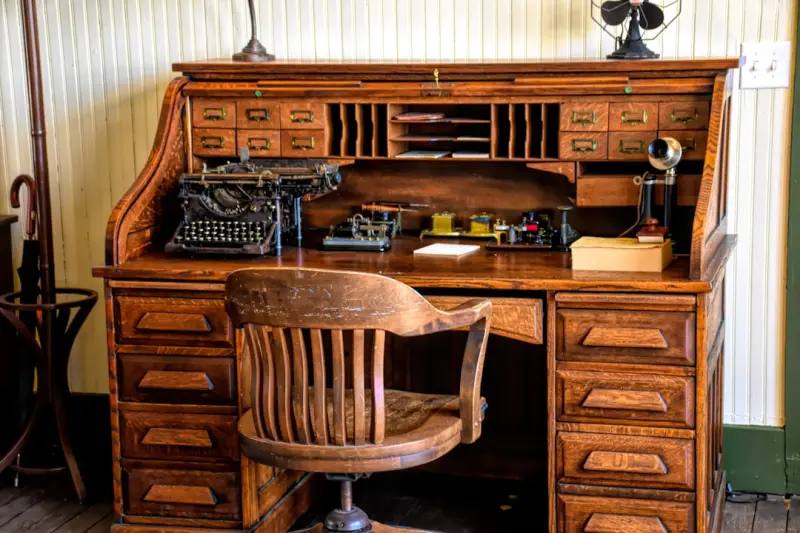
When Vintage Desks Get a Tech Makeover: Merging Heritage Craft with Modern Function
Discover a fresh take on furniture restoration that blends traditional craftsmanship with embedded t... Read More
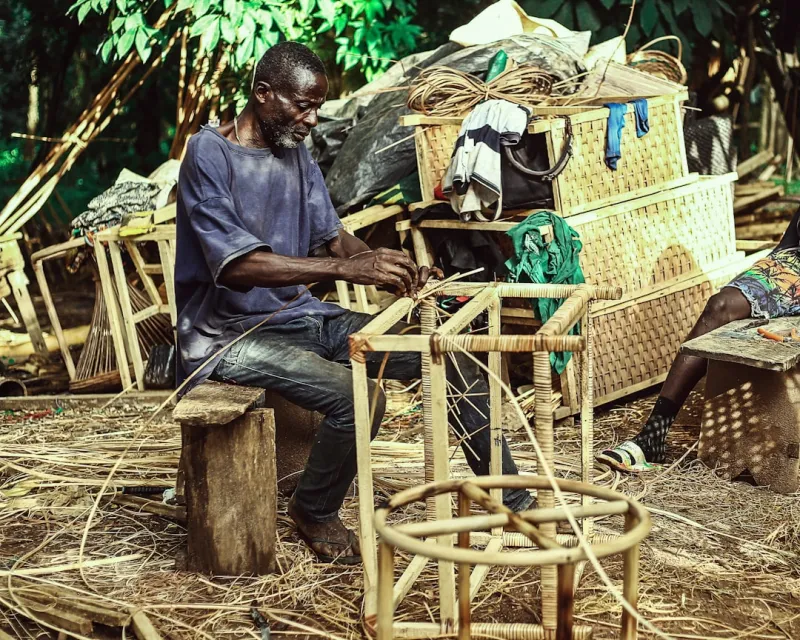
The Art of Furniture Restoration: A Sustainable Approach to Revitalizing Your Home
Furniture restoration is a sustainable way to reduce waste, conserve resources, and create one-of-a-... Read More
Top Posts
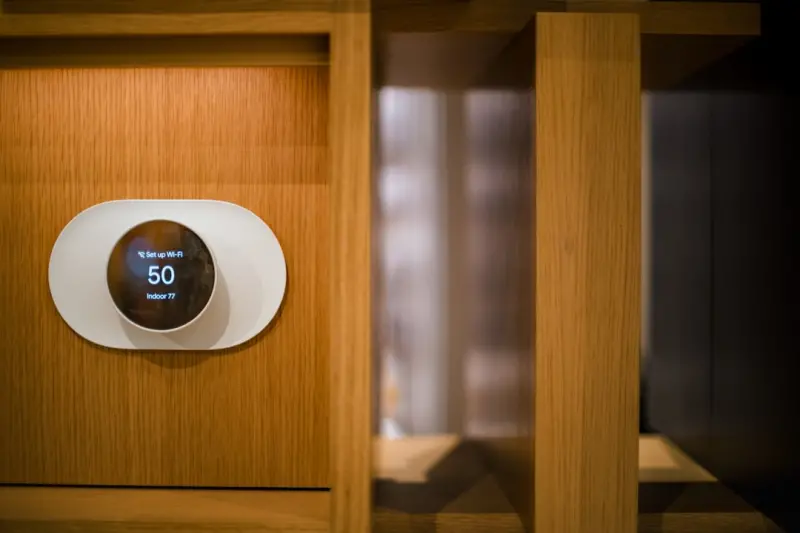
Beyond the Thermostat: Adaptive Climate Zones Redefine HVAC Comfort
Adaptive climate zoning breaks the one‑size‑fits‑all approach to HVAC, using smart sensors and AI to deliver zone‑specific heating and cooling, boost en...Read More
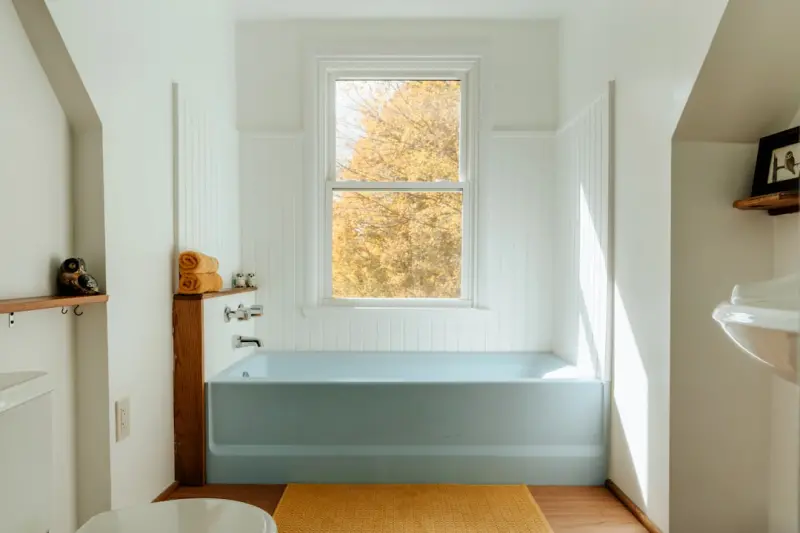
The Quiet Revolution: How Bathtub Refinishing Elevates Design, Health, and Value
Bathtub refinishing is more than a quick cosmetic fix; it’s a strategic upgrade that enhances aesthetics, improves health, integrates smart tech, and offers a...Read More
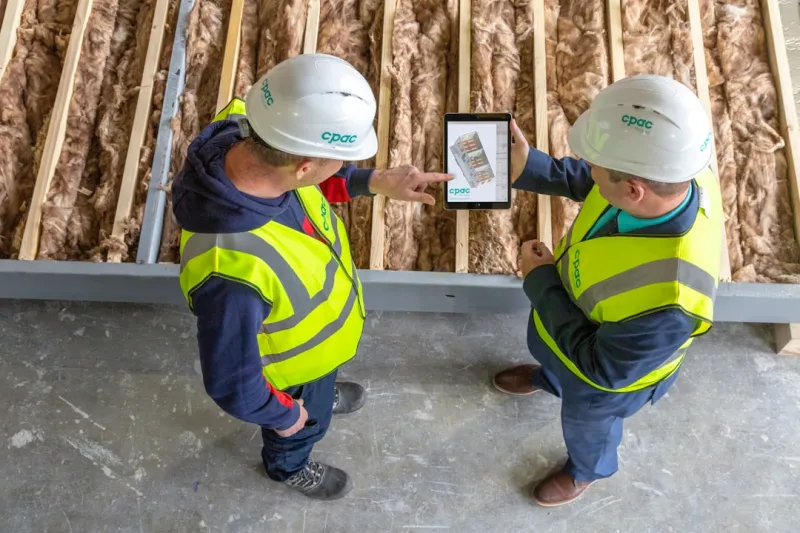
The Foundation of Sustainable Construction: Why Energy Inspections Matter
Energy inspections play a vital role in ensuring that buildings are energy-efficient and environmentally responsible. Learn why energy inspections matter in sus...Read More
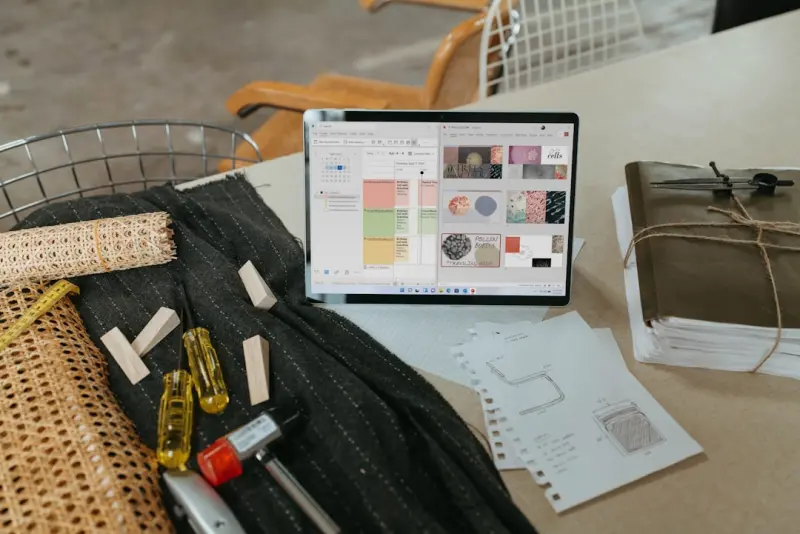
Sustainable Material Playbook for Modern Handymen
Discover practical steps for handymen to integrate eco‑friendly materials into everyday repairs, from sourcing reclaimed wood to offering green audit consulta...Read More
0 Comments
Post Comment
You will need to Login or Register to comment on this post!