
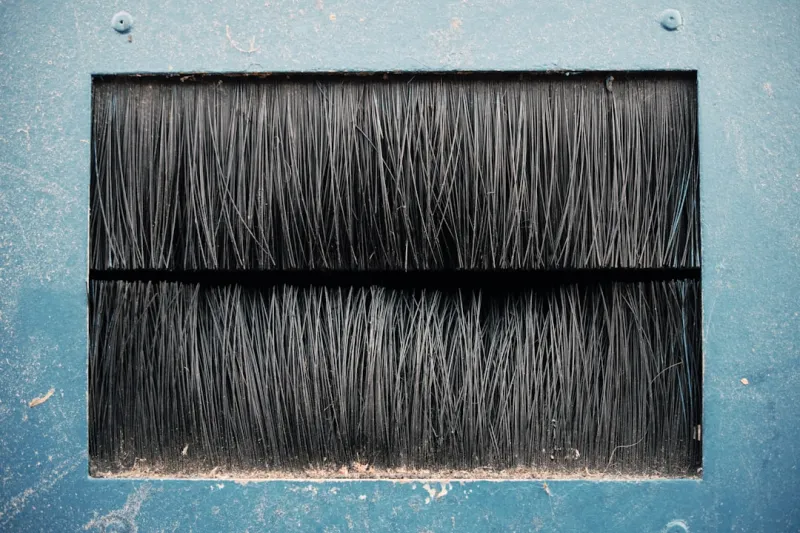
Why Duct Cleaning Deserves a Spot on My Sustainable Home Checklist
When I first stepped onto a construction site fresh out of trade school, the scent of dust and the hum of HVAC fans were as familiar to me as the sunrise over a newly framed roof. Years later, as a seasoned contractor and a self‑declared eco‑enthusiast, I still pause before I turn on a furnace, remembering that the air we breathe is only as clean as the pathways that deliver it. Dirty ducts act like hidden reservoirs of allergens, mold spores, and even microscopic debris that can sabotage indoor air quality, especially in homes that pride themselves on sustainability. The irony is palpable: a green home can still harbor invisible pollutants if its ventilation system is neglected. That’s why I’ve made duct cleaning a non‑negotiable step in any renovation or maintenance plan, and why I’m sharing the lessons I’ve learned with you, my fellow home‑care advocates.
The Health and Energy Ripple Effects of Neglected Ducts
Imagine a network of pipes that have been quietly collecting pet dander, pollen, and the occasional mold spore for months—or even years—without ever being inspected. Those particles don’t just sit idle; they get blown back into living spaces each time the blower kicks on, turning a simple breath into a potential irritant. Families with children, seniors, or anyone with respiratory sensitivities often report increased sneezing, coughing, or even asthma flare‑ups that correlate with seasonal HVAC use. Beyond health, there’s a hidden cost to the wallet: when ducts are clogged, the furnace or air conditioner must work harder to push air through, leading to a measurable rise in energy consumption and a corresponding dip in the home’s overall efficiency rating. In a world where homeowners are scrambling to lower carbon footprints, ignoring duct cleanliness is an avoidable source of waste that undermines even the most diligent energy‑saving measures.
Embracing Sustainable Duct Cleaning Techniques
Traditional duct cleaning methods have long relied on high‑pressure air guns and chemical‑laden disinfectants that can leave residues and contribute to indoor VOC levels. Over the past few years, I’ve shifted to a greener toolbox that includes HEPA‑rated vacuum units, low‑flow water‑based cleaning agents, and biodegradable brushes made from reclaimed plastics. The process starts with a thorough inspection using a video camera—essentially a tiny endoscope that slides through the ductwork, revealing hidden buildups without the need for invasive demolition. Once the problem areas are pinpointed, I use a combination of gentle agitation and suction, ensuring that dust and debris are captured before they can escape back into the home. The final step is a pass with an eco‑friendly antimicrobial mist that neutralizes lingering spores without introducing harsh chemicals, aligning the cleaning process with the broader goal of a healthier, more sustainable living environment.
Step‑by‑Step: My Proven Duct Cleaning Workflow
First, I shut down the HVAC system and seal off all supply and return registers to prevent debris from spreading. Next, I attach a high‑efficiency vacuum hose to each accessible duct opening, using a series of flexible rods that reach deep into the maze of metal and flex duct. As I pull the vacuum, I simultaneously introduce a low‑pressure water‑spray system that loosens stubborn grime, allowing the suction to carry it away. After the bulk of the particulate matter is removed, I deploy a handheld HEPA filter to capture any remaining fine dust before it can settle on surfaces. The final sweep involves a UV‑light inspection to verify that mold colonies have been eradicated; if any are found, I treat them with a certified, plant‑based biocide that won’t jeopardize indoor air quality. The entire operation typically takes two to three hours for an average-sized home, and the results are evident in both airflow performance and the noticeable reduction in household dust.
Debunking Common Myths About Duct Cleaning
One pervasive myth I encounter is that duct cleaning is a one‑time fix that will keep the system pristine forever. The reality is that ducts are living conduits; they will accumulate dust, pollen, and microscopic particles as long as the home is occupied. Regular maintenance—ideally once a year, or more frequently in high‑allergen regions—keeps the system operating at peak efficiency. Another misconception is that all “duct cleaning” services are created equal; many contractors use outdated equipment that merely displaces dust rather than extracting it, leading to re‑contamination. Finally, some homeowners fear that aggressive cleaning will damage duct insulation. When done properly with low‑pressure techniques and proper sealing, the process preserves the integrity of the ducts while improving overall system performance.
Connecting the Dots: How Duct Cleaning Complements Other Sustainable Practices
In my experience, a truly sustainable home is a tapestry of interconnected systems, each reinforcing the other. For instance, after a thorough duct cleaning, I often recommend a review of the home’s moisture barriers because excess humidity can fuel mold growth not just in walls but also within the HVAC network. My colleague’s deep dive into Mold Removal Mastery offers a roadmap for tackling hidden mold sources, which dovetails perfectly with the preventative benefits of clean ducts. Likewise, the insights from The Sustainable Carpet Cleaning Playbook highlight how removing entrenched carpet dust reduces the load that eventually makes its way into the ventilation system. By aligning duct maintenance with these broader eco‑friendly initiatives, homeowners can achieve a compounded effect: cleaner air, lower energy bills, and a smaller ecological footprint—all hallmarks of a responsibly renovated residence.
DIY vs. Professional: Knowing When to Call in the Experts
There is a growing temptation for homeowners to grab a shop‑vac and tackle duct cleaning themselves, especially after watching a few how‑to videos online. While a basic vacuum can remove surface dust from accessible registers, it lacks the power and filtration efficiency needed to extract the finer particulates lodged deep within the ductwork. Moreover, improper handling can damage delicate components like insulated flex ducts, leading to costly repairs. As a professional, I bring specialized tools—such as motorized brush heads, HEPA filtration systems, and real‑time video inspection—ensuring a comprehensive clean that a DIY approach simply can’t match. If you’re comfortable with minor maintenance tasks, you can certainly replace filters regularly and keep registers clear, but for a full‑scale, sustainable cleanse, hiring a certified technician is the safest and most effective route.
Maintaining Duct Health Year‑Round
Once your ducts have been professionally cleaned, the work doesn’t stop there; ongoing vigilance is key to preserving the gains you’ve made. I advise homeowners to install high‑efficiency particulate air (HEPA) filters in their return grilles and to replace them every three months, especially during pollen seasons. Sealing any gaps or leaks in the duct system with mastic or foil tape can also prevent unfiltered air from sneaking in, which not only safeguards indoor air quality but also improves system pressure balance. Regularly schedule a visual inspection of registers and vents for signs of dust buildup or moisture, and consider a quick vacuum of the accessible sections during your seasonal home‑maintenance routine. By integrating these simple practices, you’ll extend the life of your HVAC system, keep energy costs low, and maintain the healthy indoor environment you worked hard to achieve.
Looking Ahead: The Future of Sustainable Duct Care
Technology is moving fast, and the next wave of duct cleaning is already on the horizon. Smart sensors embedded in ductwork can now monitor particulate levels in real time, alerting homeowners when a cleaning cycle is needed before any noticeable drop in air quality occurs. Coupled with AI‑driven analytics, these systems can predict the optimal cleaning schedule based on occupancy patterns, weather conditions, and even indoor plant density. As a contractor who thrives on staying ahead of trends, I’m excited to incorporate these innovations into my service offerings, ensuring that sustainable duct maintenance becomes as intuitive as setting a thermostat. Until then, the fundamentals—regular inspection, professional cleaning, and mindful upkeep—remain the bedrock of a truly green home. Let’s keep the air we breathe as clean as the planet we aim to protect.

Kelly Reynolds is a dynamic freelance writer hailing from the picturesque landscapes of Alberta. A master of the written word, she juggles her passion for storytelling with the exhilarating chaos of being a mother to five spirited children. With an impressive portfolio that spans various genres, Kelly captivates readers through her engaging blog posts and thought-provoking articles.
Related Posts
The Unsung Power of Duct Cleaning: Boosting Health, Efficiency, and Asset Longevity
Duct cleaning often flies under the radar, but it’s a vital part of building maintenance. This pos... Read More
The Hidden Power of Clean Ductwork: A New Frontier for Indoor Health and Performance
Clean ductwork is the unsung hero of modern buildings, driving healthier indoor air, lower energy bi... Read More
The Importance of Duct Cleaning in Sustainable Home Design
Duct cleaning is crucial for maintaining indoor air quality and promoting sustainable home design. L... Read More
Top Posts

Seeing the Future: How Augmented Reality Is Redefining Commercial Renovations
Augmented reality is turning static blueprints into interactive experiences, enabling real‑time design tweaks, cost savings, and employee‑focused spaces in ...Read More

Breathe New Life Into Vintage Windows: A DIY Home Repair Blueprint
Discover a comprehensive DIY process for restoring vintage wooden windows, from assessing damage and gathering tools to sealing, glazing upgrades, and long‑te...Read More

The Sunroom Advantage: Turning Light‑Filled Space into a High‑Performance Home Office
A sunroom isn’t just a decorative add‑on—it’s a strategic home‑office upgrade. Learn how natural light, passive solar heating, biophilic design, and s...Read More

Unlocking Hidden Savings: A Modern Homeowner’s Guide to Energy Inspection
Learn how modern energy inspection blends smart data, DIY tools, and AI predictions to uncover hidden savings and qualify for green incentives....Read More
0 Comments
Post Comment
You will need to Login or Register to comment on this post!