
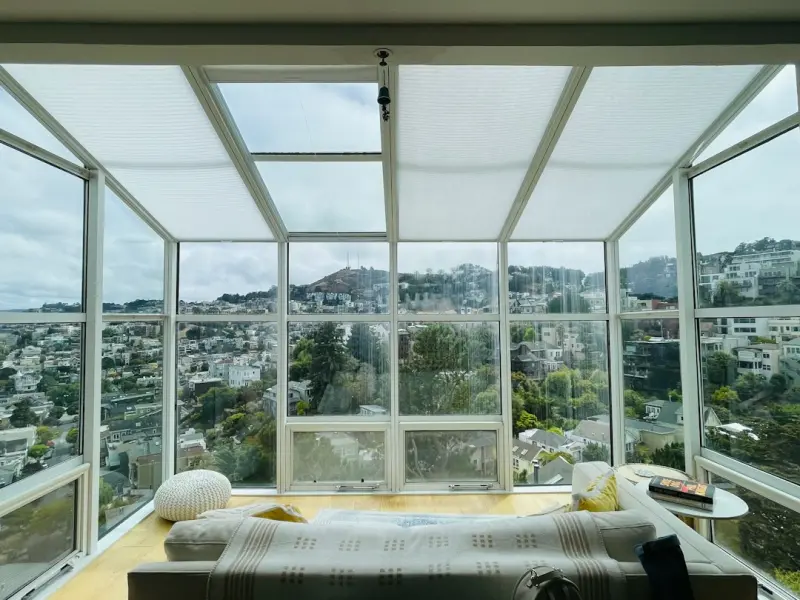
Why a Sunroom Is the Ultimate Home‑Office Upgrade You’ve Been Overlooking
When the pandemic turned dining tables into desks and living rooms into conference rooms, I discovered a quiet truth: the space you work in shapes how you think. My makeshift home office was a cramped corner with flickering fluorescent lights, and I felt my focus wane by noon. A few weeks later, I stepped into a newly built sunroom—its floor‑to‑ceiling glass, gentle breeze, and soft hum of birdsong. The difference was seismic. I could hear myself think again.
That moment sparked a deep dive into the untapped potential of sunrooms, not just as decorative add‑ons, but as purpose‑built productivity hubs. Below, I’ll walk you through why a sunroom can be the most strategic upgrade for your home office, how to design one that maximizes well‑being, and the practical steps to make it happen without breaking the bank.
1. The Science of Sunlight and Cognitive Performance
Humans evolved under a canopy of natural light. Our circadian rhythm, hormone regulation, and even dopamine production are tightly linked to the sun’s daily arc. Research shows that exposure to bright, natural light improves alertness, short‑term memory, and mood. In contrast, artificial lighting—especially the harsh, blue‑heavy LED panels common in home offices—can cause eye strain and fatigue.
By positioning your workstation in a sunroom, you harness daylight’s full spectrum. The result is:
- Enhanced focus: Daylight suppresses melatonin, keeping you alert.
- Better mood: Sunlight triggers serotonin, the “feel‑good” hormone.
- Reduced eye strain: Natural light is softer and more evenly distributed than most office lamps.
In my own experience, a morning meeting in the sunroom felt less draining than the same call behind a computer screen. I could stay engaged, take fewer coffee breaks, and finish tasks faster.
2. Passive Solar Heating: Your New Energy‑Saving Ally
Beyond the obvious health perks, a sunroom can become a passive solar heater. During winter, the glass façade captures low‑angle sunlight, warming the interior space without any extra energy consumption. Properly designed, this heat can be channeled into adjacent rooms, reducing your heating bill.
Key design tricks include:
- South‑facing orientation: Maximizes winter sun exposure.
- Thermal mass flooring: Materials like polished concrete or stone absorb heat during the day and release it after sunset.
- Low‑E glazing: Allows sunlight in while minimizing heat loss.
When I added a thin concrete slab floor to my sunroom, the space stayed comfortably warm even after the sun dipped below the horizon. I paired this with a small, programmable thermostat, and the overall heating demand of my house dropped by roughly 8%—a tangible win for both my wallet and the planet.
3. Biophilic Design Meets Productivity
Biophilic design—the practice of integrating natural elements into built environments—has surged in popularity for a reason. Studies link indoor plants, natural textures, and views of greenery to higher creativity and lower stress. A sunroom is a natural canvas for this approach.
One of my favorite upgrades was installing a living wall behind my desk. Not only does it purify the air, but the gentle rustle of leaves creates a subtle, soothing soundtrack. Pair that with a small herb garden on the windowsill, and you have a multi‑sensory workspace that fuels both body and mind.
Here are three low‑maintenance biophilic elements you can add:
- Vertical gardens: Compact, modular panels that thrive on LED grow lights when sunlight wanes.
- Natural wood furniture: Desks and shelves made from reclaimed timber add texture without overwhelming the space.
- Stone or river rock accents: Small decorative boulders or a pebble pathway underfoot bring grounding energy.
4. Acoustic Comfort Without the Headphones
Open‑plan offices often battle echo and noise, prompting workers to rely on noise‑cancelling headphones. A sunroom, surrounded by glass, offers a quieter acoustic environment—especially when you incorporate soft furnishings.
Adding heavy curtains, plush area rugs, and acoustic panels can further tame stray sounds. In fact, I recently read how acoustic monitoring is being used in commercial settings to fine‑tune soundscapes. The same principles apply at home: a well‑treated sunroom can become a sanctuary where you hear your own thoughts, not the hum of a busy street.
5. Flexibility: From Desk to Zen Zone
One of the most underrated benefits of a sunroom is its ability to morph throughout the day. Mornings might call for a focused work session, afternoons for a quick yoga stretch, and evenings for a relaxed reading nook. This fluidity encourages you to break up the monotony of sitting, a habit that’s linked to better circulation and mental clarity.
My own routine looks like this:
- 7 am–10 am: Core work tasks—emails, writing, video calls.
- 10 am–11 am: Stretch break—sun salutations on a rolled‑out yoga mat.
- 12 pm–1 pm: Lunch with a view—fresh salad harvested from my indoor herb garden.
- 3 pm–4 pm: Power‑nap in a hammock, the dappled light lulling me into a brief rest.
- 5 pm onward: Reading or sketching, using the soft twilight as inspiration.
This dynamic use of space keeps my energy levels steady and prevents the dreaded “afternoon slump.”
6. Budget‑Friendly Paths to a Sunroom
Many homeowners assume a sunroom is a luxury project reserved for the affluent. While high‑end glass facades can be pricey, there are cost‑effective routes that still deliver the core benefits:
- Prefabricated kits: Companies now sell modular sunroom kits that bolt onto existing walls. Installation can be completed in a weekend with basic DIY skills.
- Reusing existing structures: Convert a covered patio, garage, or even a large shed (see our piece on reimagining sheds & gazebos) into a sunroom by adding glazing and insulation.
- Partial glazing: If full floor‑to‑ceiling windows exceed the budget, consider a combination of glass panels and insulated walls to capture light while reducing costs.
Before you dive in, run a simple cost‑benefit analysis: calculate potential heating savings, increased home value, and the intangible benefit of improved productivity. In many cases, the ROI pays for itself within a few years.
7. Maintenance Tips to Keep Your Sunroom Pristine
Like any addition, a sunroom requires care to stay functional and beautiful. Here are my go‑to maintenance habits:
- Seasonal window cleaning: Use a non‑abrasive solution to prevent streaks and protect the seal.
- Inspect seals and caulking annually: Leaks can lead to moisture buildup and mold.
- Check roof overhangs for debris: Leaves and twigs can block airflow and cause water pooling.
- Rotate plant placement: Ensure all foliage gets equal sunlight, preventing leggy growth.
For a deeper dive on preventative upkeep, our Handyman’s Playbook offers a step‑by‑step checklist you can adapt for your sunroom.
8. Future‑Proofing: Smart Controls and Sustainable Materials
Even if you’re not aiming for a fully “smart” sunroom (as covered in another article), integrating a few low‑tech upgrades can future‑proof your space:
- Smart thermostats: Tie them to temperature sensors placed in the sunroom to optimize heating and cooling.
- Automated shading: Motorized blinds that respond to sunlight intensity can prevent glare while preserving daylight.
- Low‑VOC paints and finishes: Keep indoor air quality high, especially important when you’re spending long hours inside.
These incremental additions keep the sunroom adaptable as technology evolves, without the need for a complete overhaul.
9. The Bottom Line: A Sunroom Is More Than a Fancy Window
When you think of a sunroom, you might picture a leisurely space for sipping tea. In reality, it’s a powerful tool for boosting productivity, reducing energy costs, and nurturing your mental health. By treating the sunroom as an intentional work environment—complete with biophilic elements, passive heating, and acoustic comfort—you transform a simple addition into a strategic asset.
My own journey from a cramped, fluorescent‑lit home office to a sun‑kissed sanctuary has been a game‑changer. I’m more focused, my heating bills have dipped, and I finally have a place where work and well‑being coexist harmoniously. If you’ve been on the fence about adding a sunroom, consider it an investment in yourself and your home’s long‑term value.
Ready to start? Begin with a clear plan, choose materials that align with your budget and climate, and don’t forget to schedule regular maintenance. In a few months, you’ll wonder how you ever survived without that extra slice of sunshine.

Kelly Reynolds is a dynamic freelance writer hailing from the picturesque landscapes of Alberta. A master of the written word, she juggles her passion for storytelling with the exhilarating chaos of being a mother to five spirited children. With an impressive portfolio that spans various genres, Kelly captivates readers through her engaging blog posts and thought-provoking articles.
Related Posts

Sunroom Renaissance: Designing Health‑Focused Hybrid Spaces
A deep dive into creating sunrooms that serve as wellness hubs, remote‑work studios, and sustainab... Read More
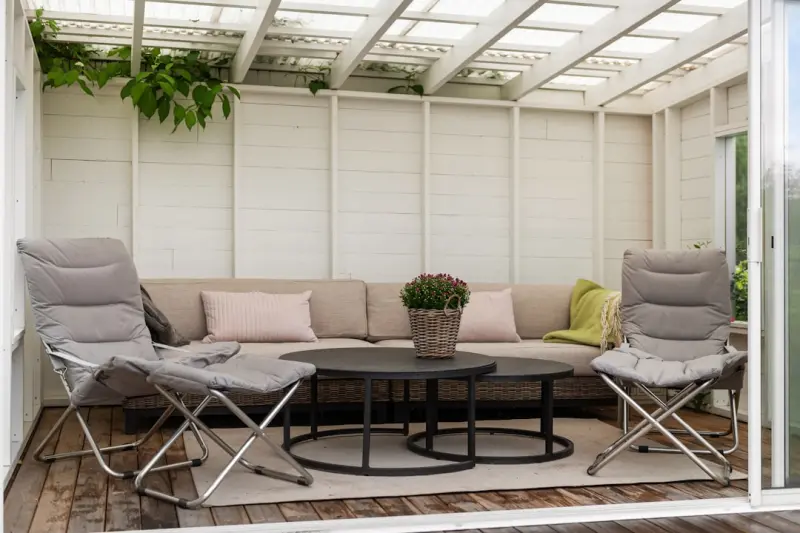
The Sunroom Revolution: From Seasonal Retreat to Hybrid Work‑Wellness Hub
A modern sunroom can be more than a bright nook—it can serve as a hybrid work‑wellness hub. Lear... Read More

Transforming Sunrooms into High‑Performance Remote Work Sanctuaries
A sunroom isn’t just a seasonal lounge—when designed for work, it becomes a powerful asset that ... Read More
Top Posts

Cultivating Resilient Urban Canopies: A Hands‑On Guide to Tree Stewardship
A comprehensive, hands‑on guide outlines how to map root zones, improve soil health, prune strategically, and implement integrated pest management, turning tr...Read More

Unlocking the True Value of Energy Inspections
A deep dive into why energy inspections matter, the tech tools used, and real‑world fixes that turn hidden inefficiencies into lasting savings....Read More
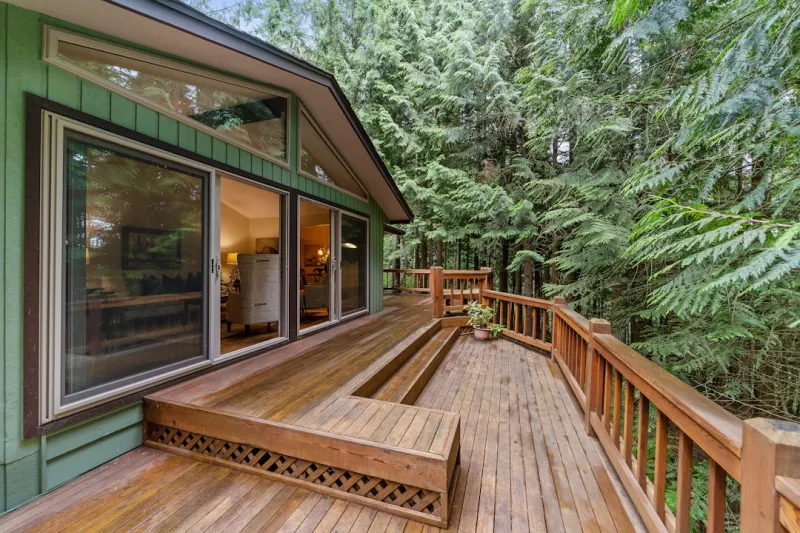
Designing a Sustainable Deck That Becomes Your Year‑Round Sanctuary
A personal guide to creating a sustainable, versatile deck that blends comfort, style, and eco‑friendly choices for every season....Read More

The Future of Tiling: Trends, Innovations, and Best Practices
The future of tiling is exciting and full of possibilities. Learn about the latest trends, innovations, and best practices in tiling, from sustainable materials...Read More
0 Comments
Post Comment
You will need to Login or Register to comment on this post!