
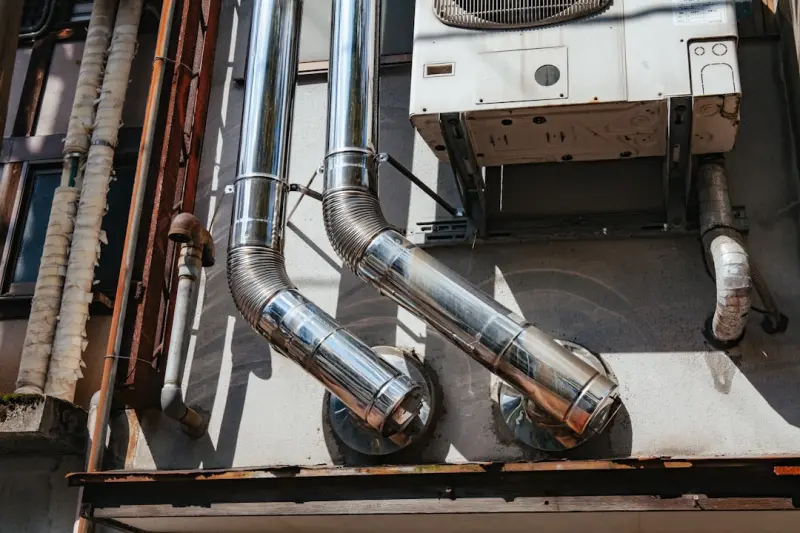
The Hidden Power of Clean Ductwork: A New Frontier for Indoor Health and Performance
When most people think about building upkeep, the words that pop up are usually roof, foundation, or paint. Ducts sit in the background, humming along unnoticed, until a sneeze or a spike in the electricity bill forces the issue. As someone who has spent decades navigating the maze of HVAC systems, I’ve learned that ducts are more than just metal tubes – they’re the circulatory system of a building, delivering fresh air, expelling contaminants, and quietly influencing everything from employee productivity to energy consumption.
Why Duct Cleaning Has Become a Trending Talk in the Commercial Space
Recent shifts in workplace design, stricter indoor air quality regulations, and the rise of health‑first branding have all converged to put duct cleaning front and center. It’s no longer a “nice‑to‑have” after‑thought; it’s a strategic move that can differentiate a brand, lower operational costs, and protect occupants’ well‑being. In this post, I’ll walk you through the science, the economics, and the practical steps that make modern duct cleaning a must‑do, not a maybe.
The Science: What Actually Lives Inside Your Ducts?
Even the cleanest‑looking vents hide a micro‑ecosystem. Over time, dust, pollen, pet dander, mold spores, and even tiny metal particles accumulate on the inner walls of ductwork. When air moves, those particles become airborne, circulating throughout the building. In a high‑traffic office, this can mean a constant low‑level exposure to allergens and irritants, which research links to higher absenteeism, reduced cognitive performance, and increased HVAC wear.
What’s more, the thermal efficiency of a duct system declines as buildup increases. A layer of dust acts like insulation, forcing the blower to work harder to move the same volume of air. The result? Higher utility bills, a larger carbon footprint, and a shortened lifespan for your HVAC equipment.
Beyond the Basics: How Modern Duct Cleaning Aligns With Smart Building Strategies
One of the most exciting developments is the integration of duct cleaning data with building‑automation platforms. By installing airflow sensors and particle counters at key points, facilities managers can receive real‑time alerts when contamination levels spike. This turns a traditionally reactive service into a predictive maintenance program.
For example, a recent case study showed a corporate campus that paired insulation performance analytics with duct cleanliness metrics. The system automatically scheduled a cleaning after the sensor detected a 15% rise in particulate matter, cutting HVAC energy use by 8% over six months.
When you think about it, a clean duct is the unsung hero that enables other smart systems to function at peak efficiency. Clean air flows freely, temperature sensors read accurately, and demand‑response algorithms get reliable data to make smarter decisions.
Economic Impact: The Bottom‑Line Benefits of a Clean Duct System
- Energy Savings: A study by the U.S. Department of Energy found that a dirty duct can increase a system’s energy consumption by up to 30%. Regular cleaning can recover 5–10% of that loss.
- Extended Equipment Life: Removing debris reduces friction and wear on fans and motors, translating into fewer emergency repairs and longer warranty periods.
- Reduced Liability: In the post‑pandemic era, indoor air quality is a legal concern. Demonstrating a documented cleaning schedule can mitigate potential litigation related to health claims.
- Productivity Gains: Employees breathe easier, leading to fewer sick days. The Journal of Occupational Health reports a 2% boost in overall productivity when indoor air quality reaches optimal standards.
Step‑by‑Step: How to Build a Proactive Duct Cleaning Program
- Audit Your System: Start with a visual inspection and a professional airflow test. Identify sections with visible buildup, corrosion, or poor sealing.
- Set Baseline Metrics: Deploy particle counters and humidity sensors to capture current air quality levels. These numbers become your performance benchmarks.
- Choose the Right Cleaning Method: Modern duct cleaning employs either rotary brush systems, high‑pressure air‑whips, or a combination. The choice depends on duct material, size, and contamination level.
- Schedule Regular Maintenance: For most commercial buildings, an annual cleaning is ideal. However, high‑dust environments (construction sites, agricultural facilities) may need semi‑annual service.
- Integrate Data Into Your BMS: Connect sensor outputs to your building‑management system. Set alerts for particulate spikes, and automate work‑order creation.
- Document Everything: Keep a digital log of each cleaning, including before‑and‑after photos, sensor readings, and technician notes. This documentation is gold for audits and certifications.
Case Study: From Hidden Dust to Visible Savings
One of my recent projects was a mid‑size tech firm located in a converted warehouse. The building’s open‑plan layout made HVAC design a challenge, and the original ducts had never been cleaned since construction. After a thorough audit, we discovered a 0.8 g/m³ particulate load—far above the recommended 0.5 g/m³ for office environments.
We executed a two‑stage cleaning: first, a rotary brush system removed the bulk of the dust; second, a high‑pressure air‑whip flushed out residual particles from the bends and elbows. Post‑cleaning sensor data showed a 45% reduction in airborne particulates. The HVAC system’s power draw dropped by 7%, equating to $12,000 in annual savings.
What surprised the client the most was the indirect benefit: their smart carpet cleaning schedule could now be coordinated with duct maintenance, creating a holistic approach to building hygiene that impressed both employees and visitors.
Future Outlook: What’s Next for Duct Cleaning?
Automation and AI are set to transform the way we think about duct maintenance. Imagine a system that not only monitors air quality but also predicts when debris will reach a critical threshold based on usage patterns, outdoor pollution levels, and even seasonal pollen data. When the algorithm predicts a cleaning window, it automatically books a certified contractor, orders the necessary equipment, and updates the building’s compliance records.
Another emerging trend is the use of eco‑friendly cleaning agents. Traditional chemical sprays can leave residues that affect indoor air. New biodegradable, low‑odor solutions are being paired with high‑efficiency particulate air (HEPA) filtration units that capture contaminants on the spot, ensuring a truly clean output.
Practical Tips for Facility Managers
- Don’t Wait for Visible Dust: Even a clean-looking vent can harbor microscopic pollutants.
- Inspect After Renovations: Construction dust can settle deep within ducts, demanding an immediate post‑project cleaning.
- Coordinate With Other Services: Align duct cleaning with window sealing, insulation upgrades, or carpet care to minimize disruption and maximize ROI.
- Educate Occupants: Simple habits like keeping doors closed during high‑dust activities help maintain duct cleanliness longer.
Conclusion: Make Duct Cleaning a Strategic Asset
In the same way a well‑tuned engine powers a car, clean ductwork powers a building. It fuels healthier occupants, lower energy bills, and a stronger reputation for sustainability. By treating duct cleaning as a data‑driven, predictive service rather than an occasional chore, you unlock a hidden lever that can elevate every other aspect of facility management.
If you’re ready to move from reactive fixes to proactive performance, start by auditing your system, integrating sensor data, and partnering with a certified cleaning provider who understands the intersection of health, technology, and economics. The payoff isn’t just cleaner air—it’s a smarter, more resilient building that works for you, not the other way around.

Paul Gray is a dynamic blogger based in Brampton, where he shares his life with his amazing wife, Sarah. Known for his engaging writing style and relatable insights, Paul has carved out a niche in the blogging world that resonates with readers from all walks of life. When he's not crafting captivating posts, you can find him savoring a cold beer or indulging in the latest blockbuster movie. With a friendly demeanor and a passion for storytelling, Paul brings a unique perspective to his work, making him not just a blogger, but a voice for those who appreciate the simple joys of life.
Related Posts
The Hidden Benefits of Duct Cleaning: How a Cleaner HVAC System Can Improve Your Home's Sustainability
Learn how duct cleaning can improve your home's sustainability, indoor air quality, and energy effic... Read More
Clean Ducts: The Underrated Engine of Workplace Comfort and Profit
A data‑driven approach to duct cleaning can slash energy costs, extend HVAC life, and improve empl... Read More
Predictive Duct Maintenance: Turning Hidden Airways Into Strategic Assets
Predictive duct maintenance leverages IoT sensors and analytics to anticipate cleaning needs, reduce... Read More
Top Posts
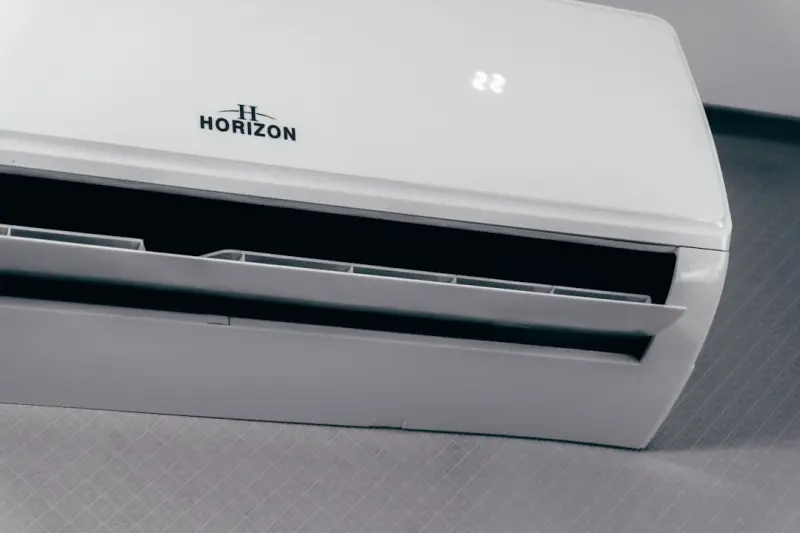
Smart Zonal HVAC: Tailoring Comfort and Efficiency in Modern Buildings
Discover the benefits of smart zonal HVAC, from variable refrigerant flow and IoT sensors to AI-driven predictive maintenance, and learn how to implement this t...Read More
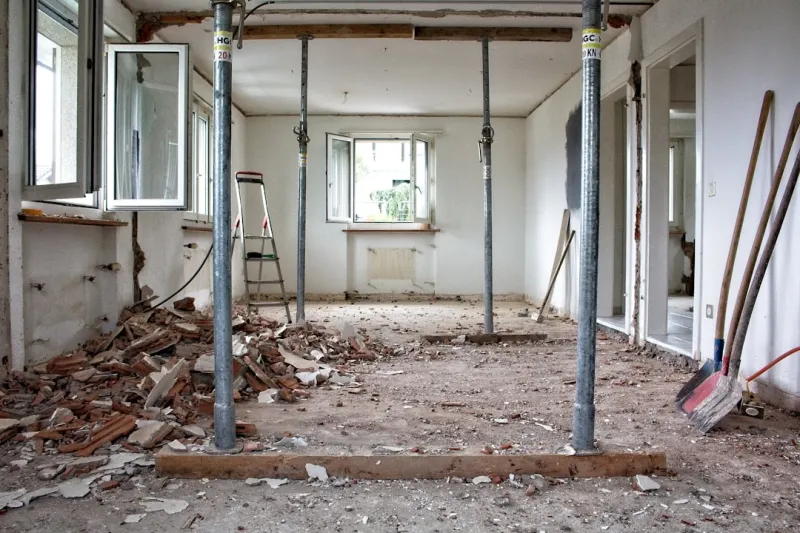
Embracing Sustainable Practices in Home Renovations
Sustainable home renovations can help reduce your carbon footprint, create a healthier living space, and increase your property value. Learn how to make your ne...Read More
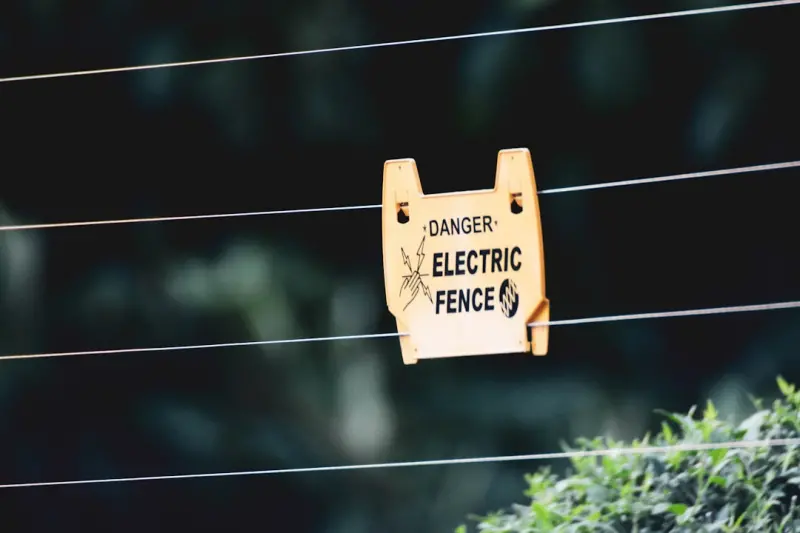
Smart Fences: Turning Perimeters Into Living, Learning, and Securing Platforms
Explore the evolution of fencing from a static barrier to a smart, living system that integrates IoT sensors, renewable energy, and edible landscaping, deliveri...Read More

Sunrooms: The Next Frontier for Hybrid Workspaces
Explore how transforming a sunroom into a smart, climate‑controlled workspace can enhance focus, well‑being, and energy efficiency, making it a strategic as...Read More
0 Comments
Post Comment
You will need to Login or Register to comment on this post!