
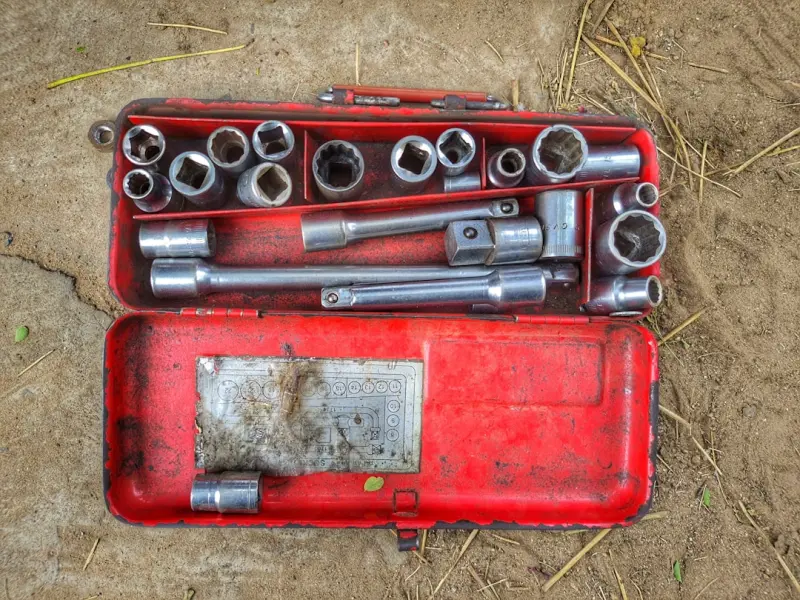
Why a Repurposed Toolbox Matters
When most homeowners think about DIY repairs they picture a neatly organized set of specialized tools hanging on a pegboard. In reality, many of us are juggling a handful of generic screwdrivers, an aging hammer, and a mystery drawer of bits that have lost their original purpose. The truth is, you don’t need a full‑size workshop to tackle the most common household hiccups. By looking at the objects already littering your kitchen, garage, or even your bathroom, you can assemble a functional, low‑cost toolkit that’s ready for anything from a squeaky door hinge to a cracked tile.
Beyond the financial savings, this approach fosters a mindset of resourcefulness. Instead of running to the store for a single‑use specialty item, you learn to see the potential in everyday objects. That mental shift is the first step toward a more sustainable, confidence‑driven home repair routine.
Everyday Items That Double as Effective Tools
Below is a curated list of household staples that can replace—or supplement—traditional tools. Each entry includes a brief description of its utility and a quick tip for safe, effective use.
- Clothespin – Ideal for holding small parts together while glue sets, or for acting as a temporary latch on a loose cabinet door.
- Rubber bands – Wrap around a stripped screw to gain extra grip, or use several in parallel to create a makeshift tension clamp.
- Old credit card – Slide under stubborn floorboards to pry them apart without damaging the wood; perfect for opening stuck windows.
- Paper towel roll – Cut into rings to use as pipe insulation or as a protective sleeve for delicate wiring.
- Wine cork – Trim and insert into small holes to stop drips from leaky faucets while you wait for a permanent fix.
- Toothpick – Excellent for cleaning out debris from tight screw heads before re‑engaging them.
- Binder clip – Acts as a temporary handle for a broken drawer or as a clamp to hold two pieces of wood together while the glue dries.
- Old T‑shirt – Cut into strips for a DIY dust‑free polishing cloth or to protect surfaces while you sand.
- Plastic bottle cap – Use as a makeshift spacer when installing wall anchors to ensure consistent depth.
- Metal coat hanger – Straighten and use as a long reacher for pulling out jammed toilet chains or retrieving dropped screws under appliances.
Three High‑Impact Repairs Using Only Repurposed Tools
Let’s walk through three common household problems and see how the items above can solve them without a trip to the hardware store.
1. Fixing a Loose Cabinet Door Without a Screwdriver
Problem: The hinge screws have become stripped, and the door keeps sagging.
Solution:
- Grab a rubber band and loop it tightly around the stripped screw head. This adds friction and allows a regular screwdriver (or even the edge of a butter knife) to turn the screw.
- If the screw is completely rounded, replace it with a binder clip. Open the clip, slide the hinge hole onto the metal arms, and snap it shut. The clip’s tension holds the hinge in place until you can install a proper screw.
- For a quick, temporary fix, use a clothespin to hold the door flush against the cabinet while the adhesive (a few drops of wood glue) sets.
2. Stopping a Dripping Faucet Until a Plumber Arrives
Problem: A faucet leak is wasting water and creating a small pool on the countertop.
Solution:
- Take an old wine cork, trim it to match the diameter of the faucet’s aerator, and gently push it into the opening. The cork will temporarily block water flow.
- While the cork holds, use a toothpick to clear any mineral buildup around the valve seat. This can improve the seal and reduce the drip rate.
- If the leak persists, wrap a plastic bottle cap over the faucet’s base and secure it with a rubber band. This creates a makeshift barrier that buys you time.
3. Reinforcing a Wobbly Shelf Using Household Materials
Problem: A wall‑mounted shelf is wobbling because the anchors have loosened.
Solution:
- Remove the shelf and insert a paper towel roll (cut to length) inside the wall cavity to fill any gaps. This provides a more solid backing for the anchor.
- Take an old credit card and slide it into the gap between the shelf and the wall to act as a shim, leveling the shelf without additional hardware.
- Secure the shelf with a binder clip over the anchor screw head. The clip’s spring tension keeps the screw from turning again.
Maintaining Your DIY Arsenal
Just as you would oil a chain‑saw or sharpen a chisel, your repurposed tools need occasional upkeep.
- Clean and dry clothespins and rubber bands after each use to prevent mildew.
- Inspect metal coat hangers for rust; a quick wipe with a cloth and a dab of WD‑40 extends their life.
- Store plastic caps and bottle tops in a dedicated drawer, labeled “temporary spacers.”
- Rotate your makeshift clamps (binder clips, clothespins) so you don’t rely on a single piece that may wear out.
By keeping these items organized and ready, you’ll reduce the time spent searching for the “right” tool, which is often the biggest barrier to starting a repair.
When to Call in a Professional
Resourcefulness has its limits. Knowing when to step back is just as important as knowing how to improvise. Consider a professional when you encounter any of the following:
- Electrical work beyond a simple outlet swap (e.g., new circuit installations).
- Structural repairs affecting load‑bearing walls or the roof.
- Plumbing issues that involve cutting into walls or dealing with main water lines.
- Complex HVAC maintenance that requires certified handling.
In these scenarios, a qualified technician not only ensures safety but also preserves the value of your home. Think of the repurposed toolbox as a first‑line defense; when it’s not enough, professional help is the next logical step.
Future‑Proofing Your DIY Approach
Even though this article focuses on low‑tech, everyday solutions, you can still blend in modern conveniences without losing the DIY spirit. For example, many homeowners are exploring subscription‑based services that deliver essential repair parts right to the door, reducing the need for a large inventory. If you’re curious about that model, check out this subscription repair model that’s gaining traction in the market.
Similarly, while we’re not diving into full‑blown IoT sensor networks, simple continuous monitoring can alert you to issues before they become emergencies. A brief look at how continuous IoT audits are reshaping building performance can inspire you to add a basic water‑leak detector or a temperature sensor to your DIY kit—without the complexity of a full smart home system.
The key is to stay adaptable. As new products and services emerge, evaluate them through the lens of “does this add real value to my repurposed toolbox?” If the answer is yes, integrate it; if not, keep relying on the creative hacks that have served you well for decades.
Putting It All Together
DIY home repair isn’t about owning a wall‑to‑wall arsenal of specialty tools; it’s about cultivating a mindset that sees potential in the objects already at hand. By leveraging clothespins, rubber bands, old credit cards, and other common items, you can solve a surprising number of problems quickly, cheaply, and with a satisfying sense of ingenuity.
Next time you hear a creak, a drip, or a wobble, pause before you reach for the phone or the hardware store. Scan your surroundings, pick up that old T‑shirt or binder clip, and give it a try. You might just discover a new favorite fix—and a renewed confidence in your ability to maintain the place you call home.

David MacKinnon is a dynamic freelance writer known for his captivating storytelling and keen insights into the world of technology. With a passion for exploring the intersection of innovation and everyday life, he crafts engaging narratives that not only inform but also inspire his readers.
Related Posts

Patch Perfect: A DIY Guide to Flawless Drywall Repair
A comprehensive, step‑by‑step guide to repairing all types of drywall damage—from tiny cracks ... Read More
Unseen Drips: A DIY Guide to Detecting and Fixing Hidden Leaks
Discover a systematic, DIY approach to finding and fixing hidden leaks before they cause costly dama... Read More
Micro‑Fixes for Home Repair: Save Time and Money
Learn how to tackle everyday home repair issues with a mini‑project mindset, essential tools, and ... Read More
Top Posts
DIY Home Repairs: Sustainable Solutions From a Veteran Contractor
Discover practical, sustainable DIY repair strategies that combine cost‑saving techniques with eco‑friendly materials, all from veteran contractor William R...Read More

The Plasterer's Playbook: Mastering Texture, Efficiency, and Eco‑Smart Techniques
Explore how modern plastering blends texture, eco‑smart mixes, and smart tools to transform walls into durable, high‑value design features....Read More

From Dark to Dynamic: Leveraging Basement Renovations for Scalable Business Spaces
Basements are often overlooked, but with modular construction, data‑driven comfort, and strategic design they can become powerful, cost‑effective spaces tha...Read More
Designing a Kitchen That Grows With Your Life
Learn to design a kitchen that evolves with your family, blending adaptive zones, smart storage, and sustainable tech for lasting functionality and style....Read More
0 Comments
Post Comment
You will need to Login or Register to comment on this post!