
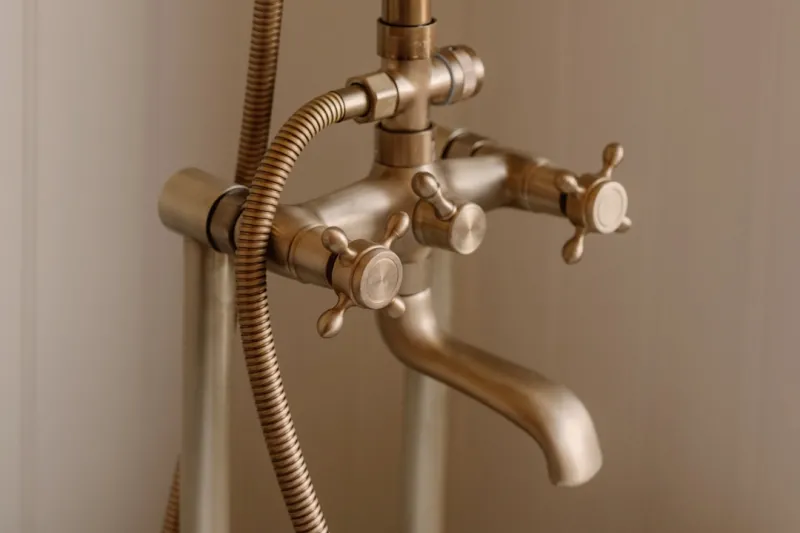
Oh, plumbing! It's the unsung hero of our homes, isn't it? We rarely give it a second thought until that ominous drip, the gurgling drain, or worse, a sudden deluge turns our world upside down. As Rose DesRochers, I've seen my fair share of plumbing predicaments, and I can tell you this: understanding the basics of your home’s unseen network is not just about avoiding disaster; it’s about empowering yourself as a homeowner. It’s about recognizing when a DIY fix will suffice and, crucially, when it’s time to call in the cavalry.
Think about it. Every flush, every shower, every load of laundry relies on a complex system of pipes, valves, and drains working in perfect harmony. When that harmony is disrupted, life gets messy, quickly. My goal today is to demystify your home's plumbing, turning you from a passive user into an informed overseer, ready to tackle minor issues and prevent major headaches.
Understanding Your Home's Plumbing Basics: More Than Just Pipes
At its core, your home’s plumbing system has two main jobs: bringing fresh water in and taking wastewater out. It sounds simple, but the journey of that water is quite intricate. Fresh, potable water enters your home under pressure, typically through a main line that leads to your water heater and then branches out to all your fixtures – sinks, toilets, showers, washing machines.
The wastewater, on the other hand, relies on gravity and a series of sloped drainpipes to exit your home, eventually connecting to your municipal sewer system or a septic tank. An often-overlooked but absolutely critical component of this drainage system is the venting. Vent pipes allow air into the drain lines, preventing a vacuum from forming and ensuring smooth, efficient drainage. Without proper venting, your drains would gurgle, and odors could back up into your home.
Key Components You Should Know
- Main Shut-Off Valve: This is your ultimate power button for water. Knowing its location and how to operate it can save your home from extensive water damage during a major leak or burst pipe. Every homeowner should practice turning it off and on at least once a year.
- Water Heater: The source of all your lovely warm water, whether it's a traditional tank model or a tankless on-demand unit. Regular maintenance here can extend its life and improve efficiency.
- Pipes: Modern homes typically use PEX (cross-linked polyethylene), copper, or PVC (polyvinyl chloride) for various applications. Understanding the type of piping in your home can be helpful when troubleshooting.
- Drains & Traps: Every fixture has a drain, and below many of them (like sinks), you'll find a P-trap. This U-shaped pipe always holds a small amount of water, creating a seal that prevents sewer gases from entering your home.
Common Plumbing Woes and How to Tackle Them: DIY vs. Pro
Let's face it, plumbing issues are a fact of life. But not every drip or gurgle requires an emergency call to a professional. Many common problems are surprisingly simple to fix yourself, with a little know-how and the right tools. However, knowing your limits is key.
Dripping Faucets and Leaky Pipes
That incessant drip, drip, drip isn't just annoying; it's a colossal waste of water and money. Often, a dripping faucet is due to a worn-out washer or O-ring that has lost its elasticity. Replacing these small parts can be a straightforward DIY job, usually requiring just a few basic tools and a trip to the hardware store for the correct replacement parts. For leaky pipes, a small leak might be temporarily patched with plumber's tape or epoxy, but these are rarely permanent solutions. A persistent leak, especially near a joint, indicates a need for a more substantial repair, possibly involving pipe replacement.
Clogged Drains: The Unwanted Blockage
Hair, grease, soap scum – these are the usual suspects behind a slow or completely blocked drain. Before reaching for harsh chemical drain cleaners (which I generally advise against, as they can damage pipes and are terrible for the environment), try a plunger. A good, old-fashioned plunger can often dislodge superficial clogs. For deeper blockages, a drain snake or auger can be incredibly effective. Remember, prevention is best: use drain screens, avoid pouring grease down the sink, and flush toilets only with toilet paper and human waste.
Running Toilets: A Silent Water Waster
A running toilet is like having a small leak that never stops, constantly refilling the tank and wasting hundreds of gallons of water a day. Most often, the culprit is a faulty flapper valve that isn't sealing properly, allowing water to continuously seep into the bowl. Replacing the flapper is typically an inexpensive and easy DIY fix. Other times, the fill valve might be miscalibrated, causing the tank to overfill or never fully shut off.
Low Water Pressure: Where Did the Gush Go?
Nothing's worse than a weak shower stream. Low water pressure can be localized to a single fixture or affect your entire home. If it's just one faucet or showerhead, the aerator (the screen at the end) is likely clogged with mineral deposits. Unscrew it, clean it out, and you might be surprised by the immediate improvement. If the whole house is affected, check your main water shut-off valve to ensure it's fully open. In older homes, galvanized pipes can corrode internally, reducing flow over time, which often requires professional intervention.
Water Heater Issues: Cold Shower Surprises
Waking up to a cold shower is certainly a rude awakening. For gas water heaters, check if the pilot light has gone out. Relighting it is a simple procedure outlined in your heater's manual. For electric heaters, a tripped breaker or a faulty heating element could be the cause. While some basic troubleshooting is possible, water heaters deal with both electricity/gas and water, so major repairs are generally best left to qualified professionals for safety reasons.
Proactive Plumbing Maintenance: Averts Disaster
The best way to deal with plumbing problems is to prevent them from happening in the first place. A little proactive maintenance goes a long way in extending the life of your system and avoiding costly emergencies.
Regular Inspections: Your Eyes on the Pipes
Make it a habit to periodically check under sinks, around toilets, and near your water heater for any signs of moisture, drips, or rust. Look for discoloration on walls or ceilings, which could indicate a hidden leak. A tiny drip today can become a major flood tomorrow.
Seasonal Considerations: Preparing for the Elements
- Winterizing: In colder climates, disconnecting and draining outdoor hoses and spigots before the first freeze is crucial to prevent burst pipes. Consider insulating exposed pipes in unheated areas like basements, crawl spaces, and garages.
- Summer Prep: Check washing machine hoses for cracks or bulges; these are a common source of catastrophic leaks.
Water Quality: The Unseen Factor
Hard water, rich in minerals like calcium and magnesium, can lead to scale buildup in pipes and appliances, reducing efficiency and lifespan. If you live in an area with hard water, consider a water softener. Regular cleaning of aerators and showerheads can also mitigate mineral buildup.
Know Your Main Shut-Off Valve (Seriously, Know It!)
I can't stress this enough. Every single person living in your home who is old enough to understand should know where the main water shut-off valve is and how to use it. In an emergency, cutting off the water supply quickly can minimize damage and save you thousands in repairs.
When to Call a Professional: Recognizing the Red Flags
While I encourage homeowners to be hands-on, there are definitely times when the smart move is to step back and call a licensed plumber. Attempting to fix complex issues without the proper expertise or tools can often worsen the problem, turning a manageable situation into a true plumbing emergency. Knowing when to make that call is part of being a responsible homeowner.
Major issues like a burst pipe, significant sewer backup, or a complete loss of water pressure throughout your home are unequivocal signals that professional help is needed immediately. These aren't just inconvenient; they can cause serious structural damage or pose health risks. For a deeper dive into recognizing these critical situations and avoiding costly missteps, you might find this article incredibly helpful: Avoid Common Pitfalls with Plumbing Emergencies - When to call a professional. It really outlines when a DIY spirit needs to yield to professional expertise.
Indicators for Professional Intervention:
- Burst Pipes or Severe Leaks: Beyond a simple drip, if water is gushing, shut off the main valve and call a pro.
- No Water or Discolored Water: This could indicate a major break in your water line or a problem with the municipal supply, requiring expert diagnosis.
- Sewer Backups: If sewage is backing up into your drains or toilets, it's a serious health hazard and points to a significant blockage in your main sewer line.
- Complex Water Heater Repairs: Issues involving gas lines, electrical components, or major leaks from the tank itself are best handled by certified technicians.
- Persistent Clogs: If you've tried plunging and snaking and the clog keeps returning, there might be a deeper issue in your main drain line.
- New Installations or Renovations: Adding new fixtures, re-piping your home, or significant renovations almost always require professional plumbing work to ensure code compliance and proper function.
Eco-Friendly Plumbing: Saving Water, Saving Money
As homeowners, we also have a role to play in conservation. Adopting eco-friendly plumbing practices not only reduces your environmental footprint but also trims down your utility bills significantly. It's a win-win!
Low-Flow Fixtures: Efficiency in Action
One of the easiest ways to conserve water is by upgrading to low-flow fixtures. Modern low-flow toilets, showerheads, and faucets deliver excellent performance while using significantly less water. For example, older toilets can use up to 5-7 gallons per flush, whereas new high-efficiency models use 1.6 gallons or less.
Water-Efficient Appliances
When it’s time to replace your washing machine or dishwasher, look for Energy Star-rated models. These appliances are designed to use less water and energy, saving you money over their lifespan.
Detecting Hidden Leaks: The Silent Thieves
Even small, unnoticed leaks can waste thousands of gallons of water per year. Regularly check your water meter when no water is being used in the house. If the meter is still spinning, you likely have a hidden leak somewhere, which should be investigated and repaired promptly.
The Future of Plumbing: Smart Home Integration
Technology is revolutionizing every aspect of our homes, and plumbing is no exception. Smart plumbing devices are emerging to offer unprecedented control, monitoring, and leak detection, providing homeowners with peace of mind and greater efficiency.
Smart Leak Detectors
These small, battery-powered devices can be placed in vulnerable areas (under sinks, near water heaters, in basements) and will alert you via your smartphone at the first sign of moisture, giving you precious time to act before a small leak becomes a flood.
Smart Water Shut-Off Valves
Taking it a step further, smart water shut-off valves can detect a leak and automatically close your home's main water supply, preventing extensive damage even when you're not home.
Water Usage Monitoring
Some smart systems can monitor your entire home's water usage in real-time, helping you identify areas of high consumption, track your conservation efforts, and even detect unusual patterns that might indicate a hidden leak.
From understanding the basics of your home's water flow to embracing the smart technologies of tomorrow, being an informed and proactive homeowner is your best defense against plumbing woes. Remember, a little attention and timely action can save you a lot of grief – and money – in the long run. So go on, peek under that sink, locate your main shut-off, and empower yourself with the knowledge to keep your home's unseen network running smoothly. Your home (and your wallet) will thank you!

David MacKinnon is a dynamic freelance writer known for his captivating storytelling and keen insights into the world of technology. With a passion for exploring the intersection of innovation and everyday life, he crafts engaging narratives that not only inform but also inspire his readers.
Related Posts
Avoid Common Pitfalls with Plumbing Emergencies - When to call a professional
Plumbing emergencies can quickly spiral into expensive disasters if not handled correctly. Learn how... Read More
When Pipes Talk: Turning Plumbing Data Into Business Intelligence
Explore how real‑time pipe monitoring and analytics turn everyday plumbing systems into powerful s... Read More

From Pipes to Pixels: How IoT is Transforming Everyday Plumbing
Discover how integrating IoT sensors, smart valves, and predictive analytics into plumbing systems c... Read More
Top Posts
Choosing the Perfect Countertop for a Sustainable, Smart Kitchen
Explore the best sustainable countertop materials, from quartz to reclaimed wood, and learn how smart features and smart maintenance can extend their life while...Read More
Future‑Proofing Property Maintenance: A Veteran Contractor’s Playbook
Learn how to blend sustainability with smart maintenance strategies, using seasonal checklists, energy‑saving upgrades, and modern tech to protect and enhance...Read More

When Wallpaper Gets Smart: The Future of Walls in a Connected Home
Modern wallpaper is evolving from mere décor to a multifunctional platform, embedding sensors for climate control, using sustainable materials, and even servin...Read More
Modular Closet Solutions: Boosting Space Efficiency and Employee Well‑Being
A deep dive into why modular closet systems are the unsung heroes of workplace efficiency, improving employee satisfaction, reducing operational costs, and offe...Read More
0 Comments
Post Comment
You will need to Login or Register to comment on this post!