
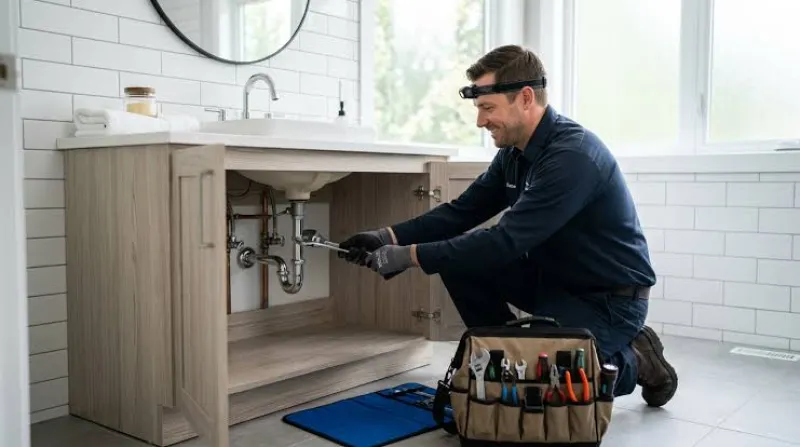
As Lifan Chen, I’ve seen firsthand how easily we take our home's plumbing for granted. It’s the silent guardian, flowing tirelessly behind walls and beneath floors, delivering comfort and convenience at the turn of a tap. Yet, when something goes awry, it becomes the most immediate and impactful problem, disrupting our lives and often threatening our homes with significant damage. Understanding your plumbing isn't just about fixing leaks; it's about safeguarding your entire living environment.
I often tell my readers that a well-maintained plumbing system is the bedrock of a healthy home. From your morning shower to your evening dishwashing, every drop counts, and every pipe plays a crucial role. Ignoring the subtle signs of trouble can lead to escalated issues, costly repairs, and even health hazards. My aim today is to empower you with the knowledge to not only react to plumbing problems but to proactively prevent them.
The Unsung Hero: Why Your Plumbing Deserves Attention
Think about it: how many times a day do you rely on running water? For drinking, cooking, cleaning, sanitation – plumbing is interwoven into the fabric of our daily existence. Without a reliable system, modern living as we know it would grind to a halt. It’s not just about water supply; it’s also about the efficient and hygienic removal of wastewater, a critical component of public health.
The true cost of neglecting your plumbing extends far beyond the immediate repair bill. A persistent drip can lead to significant water waste, inflating your utility bills. Worse, unseen leaks can foster mold growth, compromise structural integrity, and create an unhealthy living environment. These hidden dangers are often far more expensive and complex to resolve than the initial plumbing issue itself.
Beyond the Basics: Understanding Your Home's Water Network
Your home's plumbing is a complex network. It involves two main systems: the water supply system, which brings fresh water into your home, and the drain-waste-vent (DWV) system, which carries wastewater away. Both are interconnected and rely on gravity and pressure to function correctly. A problem in one often impacts the other, creating a cascade of potential issues.
Understanding the basic layout – where your main shut-off valve is, how your water heater operates, and where your primary drain lines run – can be invaluable during an emergency. This fundamental knowledge can save you precious time and prevent extensive damage when a crisis strikes. Knowing your system is the first step towards mastering it, and I strongly recommend checking out The Unseen Network: Mastering Your Home's Plumbing System for a deeper dive into this vital topic.
Common Plumbing Woes: What to Watch For
While an emergency can strike without warning, many plumbing issues offer subtle hints before escalating. Being attuned to these early warning signs can make all the difference, allowing for timely intervention that saves both stress and money.
The Pervasive Problem of Leaks
Leaks are perhaps the most common plumbing nuisance, ranging from annoying drips to catastrophic bursts. A dripping faucet might seem minor, but it can waste gallons of water over time. More concerning are leaks behind walls or under floors, often indicated by water stains, peeling paint, or a musty odor. These hidden leaks can cause significant structural damage and create perfect breeding grounds for mold and mildew. Keep an eye (and ear) out for unexplained increases in your water bill – it's a classic sign of a hidden leak.
Clogs: The Daily Battle
Hair, grease, food particles, and foreign objects are the usual culprits behind clogged drains and toilets. While a slow drain is frustrating, a complete blockage can lead to overflows and unsanitary conditions. Kitchen sink clogs are often grease and food-related, while bathroom clogs are typically a combination of hair and soap scum. Regular maintenance, such as using drain screens and avoiding flushing non-biodegradable items, can prevent most clogs.
Understanding Low Water Pressure
There's nothing quite as frustrating as stepping into a weak shower stream. Low water pressure can stem from various issues, including mineral buildup in pipes (especially in older homes), a partially closed main shut-off valve, a faulty pressure regulator, or even a hidden leak somewhere in the system. Identifying the root cause is crucial for restoring your home's water flow to optimal levels.
Your DIY Toolbox: Tackling Minor Issues Safely
For the intrepid homeowner, many minor plumbing issues can be resolved with a basic set of tools and a healthy dose of caution. Empowering yourself with a few simple skills can save you time and the expense of a service call.
Essential Tools for the Home Plumber
- Plunger: A must-have for minor toilet and sink clogs.
- Adjustable Wrench: Indispensable for tightening nuts and bolts.
- Pipe Wrench: For gripping and turning pipes and fittings.
- Teflon Tape (Plumber’s Tape): Excellent for sealing threaded pipe joints.
- Bucket and Rags: For containing spills during repairs.
- Flashlight: Crucial for inspecting dark, cramped spaces.
Simple Fixes You Can Handle
You can often unblock a slow drain with a plunger or a simple drain snake. For a dripping faucet, replacing a worn washer or O-ring is a straightforward task for many DIY enthusiasts. Tightening a loose connection under the sink can stop a minor leak in its tracks. However, always remember to turn off the water supply to the affected fixture – or even the main water supply to your house – before attempting any repair. Safety and preventing further damage are paramount.
When to Call in the Cavalry: Professional Plumbing Services
While DIY can be satisfying and cost-effective for small problems, knowing your limits is critical. Some plumbing issues are simply too complex, dangerous, or require specialized tools and expertise. Attempting to fix a major problem without the proper knowledge can often lead to more extensive damage and even higher repair costs.
Signs It's Time for a Professional
- Major Leaks or Burst Pipes: These require immediate attention and professional repair to prevent catastrophic water damage. Don't hesitate; shut off your main water supply and call a pro.
- Water Heater Issues: If your water heater isn't producing hot water, is leaking, or making strange noises, it's best left to certified technicians. Gas water heaters, especially, can pose significant safety risks if handled incorrectly.
- Sewer Line Backups: A sewage backup is not only unpleasant but also a serious health hazard. This indicates a blockage or damage in your main sewer line, which requires specialized equipment like hydro-jetting and camera inspections to diagnose and repair.
- Persistent Low Water Pressure: If simple checks don't resolve your low water pressure, it could indicate serious issues like corroded pipes or a faulty main pressure regulator, necessitating professional assessment.
- Any Plumbing Project Involving Structural Changes: If you're undertaking a basement renovation or considering moving fixtures, it’s essential to consult with a licensed plumber to ensure compliance with local codes and structural integrity. In this context, you might also find insight from How a Basement Renovation Can Transform Your Home useful for planning.
The value of a licensed, experienced plumber cannot be overstated. They bring not only expertise but also specialized tools and a deep understanding of plumbing codes and safety standards. Sometimes, paying for professional help upfront saves you from much larger headaches down the line. To learn more about navigating plumbing emergencies and when to seek expert help, I highly recommend reading Avoid Common Pitfalls with Plumbing Emergencies - When to call a professional.
The Future is Flowing: Smart Plumbing and Sustainable Solutions
Plumbing isn't just about traditional pipes and fixtures anymore; it's evolving with technology and environmental consciousness. Embracing modern innovations can lead to greater efficiency, cost savings, and a reduced ecological footprint.
Smart Plumbing for a Smarter Home
- Leak Detection Systems: These devices can monitor water flow and pressure, alerting you to potential leaks through a smartphone app, sometimes even shutting off the main water supply automatically to prevent extensive damage.
- Smart Water Heaters: Modern water heaters offer features like remote control, vacation modes, and energy usage monitoring, allowing for greater efficiency and customized hot water delivery.
- Smart Faucets: Touchless operation and precise temperature control are becoming more common, enhancing hygiene and convenience while often reducing water waste.
Embracing Sustainability in Your Water Usage
Beyond smart tech, sustainable plumbing practices are gaining traction. Low-flow fixtures like toilets, showerheads, and faucets significantly reduce water consumption without sacrificing performance. Tankless water heaters provide hot water on demand, eliminating standby energy losses. Even more advanced systems, such as greywater recycling (where gently used water from sinks and showers is treated and reused for irrigation or toilet flushing), are becoming more accessible for environmentally conscious homeowners. Investing in these solutions not only benefits the planet but also your wallet through reduced utility bills.
Proactive Care: The Lifespan of Your Plumbing System
Preventative maintenance is the cornerstone of a healthy, long-lasting plumbing system. Rather than waiting for a crisis, a proactive approach can catch small issues before they become major disasters, extending the life of your pipes and fixtures, and ensuring peace of mind.
Essential Maintenance Habits
- Regular Inspections: Periodically check under sinks, around toilets, and near water heaters for any signs of leaks, corrosion, or dampness. Listen for unusual sounds from pipes.
- Drain Care: Use drain screens to catch hair and food particles. Avoid pouring grease down the kitchen sink. Periodically flush drains with hot water and baking soda, followed by vinegar, to keep them clear.
- Water Heater Flushing: Sediment can build up in your water heater, reducing its efficiency and lifespan. Flushing it annually can prevent this. (Consult your owner's manual or a professional if unsure).
- Winterizing Pipes: In colder climates, take steps to insulate exposed pipes and drain outdoor faucets to prevent freezing and bursting.
- Know Your Shut-Offs: Ensure everyone in your household knows where the main water shut-off valve is and how to use it in an emergency.
By integrating these simple habits into your home maintenance routine, you can significantly reduce the likelihood of unexpected plumbing emergencies and the associated costs and disruptions. It’s an investment in the longevity and comfort of your home.
Conclusion: Invest in Your Peace of Mind
Your home's plumbing system is a complex, vital network that works tirelessly behind the scenes. As Lifan Chen, I urge you not to overlook its importance. By understanding its basics, recognizing warning signs, knowing when to call a professional, embracing modern solutions, and committing to preventative maintenance, you can ensure your plumbing remains a source of comfort, not stress.
Invest time and attention in your plumbing, and it will repay you with years of reliable service and peace of mind. After all, a healthy home begins with healthy pipes.

Lifan Chen is a freelancer based in Toronto specializing in marketing. With expertise in crafting effective marketing strategies and campaigns, Lifan helps businesses grow their brand presence and reach target audiences. As a Toronto-based freelancer, Lifan combines local market insights with creative marketing skills to deliver tailored solutions for clients.
Related Posts
Turning Waste into Resource: Grey‑Water Recycling Strategies for Modern Buildings
Grey‑water recycling transforms bathroom and laundry runoff into a valuable water source, deliveri... Read More
The Quiet Revolution: How Connected Plumbing Is Saving Water and Money
Smart plumbing turns ordinary pipes into proactive, data‑driven systems. Learn how leak sensors, a... Read More
Why Your Pipes Need a Sustainable Overhaul
A veteran contractor shares practical, sustainable plumbing upgrades—from leak detection to smart ... Read More
Top Posts

Sunrooms: A Sustainable Way to Bring the Outdoors In
Learn how sunrooms can provide a sustainable and eco-friendly living space while bringing the outdoors in. Discover sustainable design options and energy-effici...Read More
Why Variable Refrigerant Flow Is the Unsung Hero of Modern HVAC
Variable Refrigerant Flow (VRF) offers precise, zone‑level climate control while slashing energy use. This article explores VRF’s technology, integration wi...Read More

Sustainable Home Alarm Systems: Protecting Your Space While Saving the Planet
Explore the intersection of safety and sustainability with a smart, eco‑friendly home alarm system that protects your family and the planet....Read More
Renovation Checklist: A Strategic Playbook for Seamless Transformations
An in‑depth, actionable renovation checklist that walks you through every phase—from planning and permitting to final walkthrough—ensuring a smooth, costâ...Read More
0 Comments
Post Comment
You will need to Login or Register to comment on this post!