
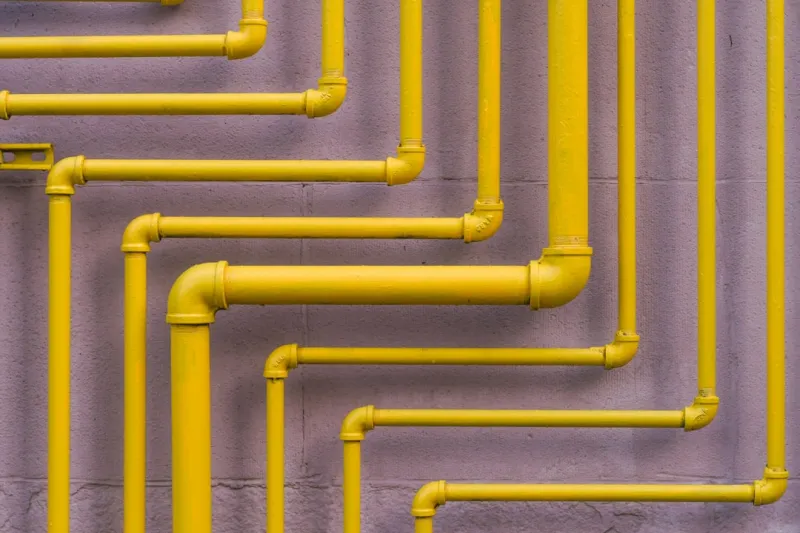
The Intersection of Plumbing and Sustainable Home Restoration
As a seasoned professional in the plumbing industry, I've had the privilege of working on numerous projects that involve sustainable home restoration. One thing that's become clear to me is that plumbing plays a critical role in achieving sustainability in homes. From water conservation to energy efficiency, the right plumbing solutions can make a significant impact on the environment and homeowners' wallets. In this article, I'll explore the importance of plumbing in sustainable home restoration and highlight some key strategies for achieving eco-friendly plumbing.
Water Conservation: A Key Aspect of Sustainable Plumbing
Water conservation is a critical aspect of sustainable plumbing. With the increasing awareness of water scarcity, it's essential to adopt measures that reduce water waste and promote efficient use. One effective way to conserve water is by installing low-flow fixtures and appliances. These devices use significantly less water than traditional ones, making them an excellent choice for homeowners looking to reduce their water footprint. Additionally, sustainable home restoration projects often involve installing rainwater harvesting systems, which collect and store rainwater for non-potable uses, such as flushing toilets and irrigating plants.
The Benefits of Energy-Efficient Water Heaters
Another crucial aspect of sustainable plumbing is energy efficiency. Traditional water heaters can be significant energy consumers, but modern energy-efficient models can make a substantial difference. Tankless water heaters, for instance, only heat water as needed, reducing energy consumption and lowering utility bills. Similarly, heat pump water heaters use less energy than traditional models and can be an excellent option for homeowners looking to reduce their energy footprint. When selecting a water heater, it's essential to consider factors such as energy efficiency, maintenance costs, and lifespan to ensure that you're making an informed decision.
The Role of Plumbing in Sustainable Home Restoration
Plumbing plays a vital role in sustainable home restoration, and it's essential to consider eco-friendly solutions when renovating or upgrading plumbing systems. Sustainable home restoration involves more than just replacing old fixtures and appliances; it's about creating a holistic approach to sustainability that incorporates water conservation, energy efficiency, and environmental responsibility. By adopting eco-friendly plumbing solutions, homeowners can reduce their environmental impact, lower utility bills, and create a healthier living space.
Sustainable Plumbing Materials and Practices
When it comes to sustainable plumbing, materials and practices play a significant role. Traditional plumbing materials, such as copper and PVC, have a significant environmental impact, but there are eco-friendly alternatives available. For instance, PEX (cross-linked polyethylene) piping is a flexible, durable, and recyclable material that's becoming increasingly popular in sustainable plumbing projects. Additionally, practices like trenchless pipe repair and hydro-jetting can minimize waste and reduce the environmental impact of plumbing repairs.
The Importance of Regular Plumbing Maintenance
Regular plumbing maintenance is crucial for achieving sustainability in homes. Leaks, clogs, and other plumbing issues can lead to significant water waste and energy consumption. By scheduling regular maintenance, homeowners can identify and fix issues before they become major problems. This proactive approach can help reduce water waste, lower utility bills, and prevent costly repairs. Furthermore, regular maintenance can also help extend the lifespan of plumbing fixtures and appliances, reducing the need for premature replacements.
The Future of Plumbing: Trends and Innovations
The plumbing industry is evolving rapidly, with new trends and innovations emerging every year. One exciting development is the integration of smart technology in plumbing systems. Smart water sensors, for example, can detect leaks and alert homeowners to potential issues, helping to prevent water waste and reduce energy consumption. Another trend is the increasing adoption of greywater systems, which reuse wastewater from sinks, showers, and washing machines for irrigation and flushing toilets.
Conclusion
In conclusion, plumbing plays a critical role in sustainable home restoration, and it's essential to adopt eco-friendly solutions to achieve sustainability. By conserving water, reducing energy consumption, and adopting sustainable materials and practices, homeowners can create a healthier living space while reducing their environmental impact. As a plumbing professional, I encourage homeowners to prioritize sustainable plumbing solutions and stay informed about the latest trends and innovations in the industry. By working together, we can create a more sustainable future for generations to come.
Additional Resources
For homeowners looking to learn more about sustainable plumbing and home restoration, I recommend checking out the following resources:
- The Importance of Foundation Repair in Sustainable Home Restoration
- The Role of Roofing in Sustainable Home Restoration
- Why Energy Inspections Are Crucial For A Sustainable Future
By staying informed and adopting sustainable practices, we can create a more eco-friendly and sustainable future for ourselves and future generations.

William Roy is a freelance writer originally from Montreal who moved to Ottawa with his wife of 50 years to be closer to their grandkids. Alongside his writing, William has a passion for fishing.
Related Posts
Silent Water Intruders: Mastering Hidden Leak Detection for a Healthy Home
Learn how to detect invisible leaks before they cause damage. From acoustic listening devices to sma... Read More

Seasonal Plumbing Checkups: The Proactive Homeowner’s Secret to Leak‑Free Living
A practical guide to seasonal plumbing maintenance, offering checklists, early warning signs, and sm... Read More
Turning Waste into Resource: Grey‑Water Recycling Strategies for Modern Buildings
Grey‑water recycling transforms bathroom and laundry runoff into a valuable water source, deliveri... Read More
Top Posts

The Art of Wallpapering: A Comprehensive Guide
Wallpapering is a timeless and versatile method of decorating walls, offering a wide range of designs, textures, and patterns to enhance the aesthetic appeal of...Read More

Decoding the Home Inspection Report: A Practical Guide for Buyers and Sellers
A step‑by‑step guide to interpreting home inspection reports, prioritizing repairs, and using the findings for smarter negotiations and long‑term maintena...Read More

Seasonal Handyman Checklist: Stay Ahead of Home Repairs
A step‑by‑step seasonal handyman checklist helps you stay ahead of repairs, protect your home, and save money with proactive, easy‑to‑follow maintenance...Read More
Mastering Sustainable Tiling: From Material Choice to Long‑Lasting Installation
Explore the full cycle of sustainable tiling—from material selection and installation tricks to smart maintenance—crafted by an industry veteran who blends ...Read More
0 Comments
Post Comment
You will need to Login or Register to comment on this post!