
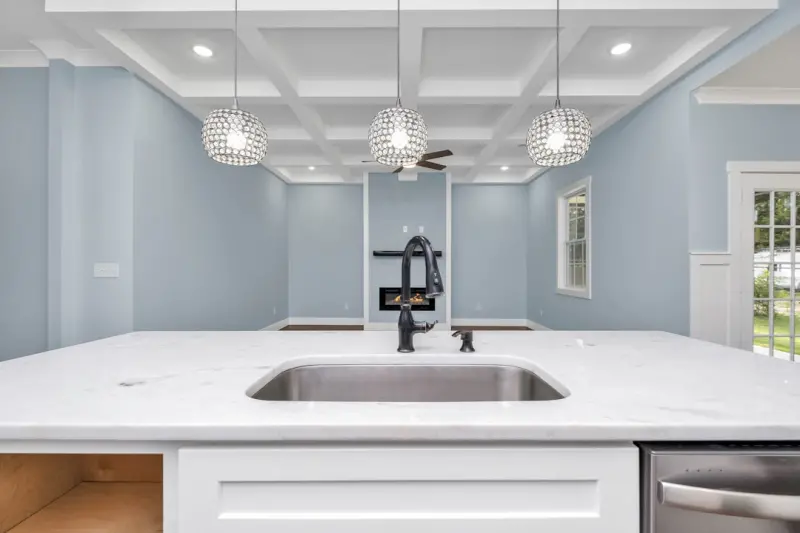
Why Countertops Are Becoming the New Frontier of Smart, Sustainable Design
When most people think about upgrading a kitchen or a lab, the countertop is the first surface that comes to mind. It’s the workhorse that endures spills, heat, and the daily choreography of life. Yet, for too long, countertops have been treated as a static, purely aesthetic choice—a finish rather than a strategic component of the built environment. In the age of data‑driven design and circular economies, the humble slab is finally getting the attention it deserves.
The Data Behind the Stone
Historically, countertop selection has been driven by visual appeal, cost, and durability. Today, manufacturers are embedding sensors, RFID tags, and even micro‑LEDs into materials ranging from engineered quartz to reclaimed wood. These smart layers collect data on temperature fluctuations, usage patterns, and wear rates. The insights allow facility managers to schedule preventative maintenance before a crack becomes a costly replacement.
Imagine a commercial kitchen where the countertop alerts the chef that a section has reached a temperature threshold that could compromise food safety. Or a laboratory bench that logs the number of chemical spills, prompting a timely resurfacing before contamination spreads. By treating countertops as information gateways, we shift from reactive fixes to proactive stewardship.
Materials That Respect the Planet
Sustainability is no longer a buzzword; it’s a procurement requirement. Traditional marble and solid surface options often involve high‑energy extraction and transport. The next wave of countertop materials embraces three core principles:
- Recycled Content: Post‑consumer glass, reclaimed concrete, and even recycled ocean plastics are being fused into composite slabs that rival natural stone in strength and aesthetics.
- Low‑Carbon Manufacturing: Processes such as cold‑pressing and bio‑resin curing dramatically cut the carbon footprint compared to high‑temperature kiln firing.
- End‑of‑Life Planning: Designers now consider how a countertop can be disassembled and repurposed, turning today’s surface into tomorrow’s building blocks.
When a project’s material palette aligns with these principles, the countertop becomes an environmental credential rather than an afterthought.
Designing for Human Interaction
Beyond tech and sustainability, the tactile experience of a countertop shapes how occupants engage with a space. Studies show that texture, temperature, and visual contrast influence perceived comfort and productivity. By leveraging Foundations That Think approaches—where structural decisions are informed by data—we can extend that mindset to surface design.
Consider a coworking hub where the meeting room tables feature a subtle matte finish that reduces glare, while the breakout area boasts a warm, honey‑colored wood that invites touch. The choice isn’t just decorative; it’s a deliberate effort to guide behavior and mood.
Modular Countertop Systems: Flexibility Meets Efficiency
Traditional countertops are monolithic, requiring full removal for any layout change. Modular systems break the slab into interchangeable panels that snap together like puzzle pieces. This approach yields two major benefits:
- Rapid Reconfiguration: As business needs evolve, a tech startup can re‑arrange workstations without the downtime of demolition and reconstruction.
- Reduced Waste: When a module reaches the end of its service life, it can be swapped out individually, preserving the remaining panels.
This modular mindset mirrors the principles discussed in Digital Twins and Modular Strategies, where virtual replicas help planners visualize and test layout changes before any physical work begins.
Integrating Countertops Into the Smart Building Ecosystem
Smart buildings are orchestrated through a network of connected devices: HVAC, lighting, security, and now, surfaces. Countertops can serve as control nodes or information displays. A few practical implementations include:
- Embedded Touch Panels: A quartz surface with discreet capacitive zones lets users adjust lighting levels or access recipe databases without reaching for a separate screen.
- UV‑Sterilization Strips: Integrated LEDs can sanitize high‑traffic zones between uses, especially valuable in medical or food‑service environments.
- Energy Harvesting: Piezoelectric layers capture foot traffic vibrations, converting them into small amounts of power for sensor networks.
These features turn a countertop from a passive element into an active participant in building performance.
Cost Implications: Investing Wisely
Critics often argue that smart or eco‑friendly countertops are prohibitively expensive. A nuanced cost analysis reveals a different story:
- Initial Outlay vs. Lifecycle Savings: While premium materials may cost more upfront, their durability, reduced maintenance, and ability to generate data-driven efficiencies often result in a lower total cost of ownership.
- Regulatory Incentives: Many municipalities now offer tax credits for using recycled or low‑carbon materials, offsetting part of the expense.
- Brand Differentiation: In competitive markets, showcasing sustainable, high‑tech surfaces can command higher rental rates or sales prices.
When stakeholders evaluate the full value chain—materials, installation, operation, and end‑of‑life—they discover that smart countertops can be a financially sound investment.
Case Study: A Boutique Hotel’s Countertop Overhaul
One boutique hotel recently replaced its lobby bar surface with a hybrid composite that blends recycled glass, bio‑resin, and an embedded temperature sensor network. The results were striking:
- Guest satisfaction scores rose by 12% thanks to the warm, tactile feel and the subtle ambient lighting integrated into the surface.
- Maintenance logs showed a 40% reduction in surface‑related incidents over six months, thanks to real‑time alerts about temperature spikes.
- The hotel qualified for a regional sustainability grant, recouping 15% of material costs.
This example underscores how a well‑planned countertop strategy can deliver measurable benefits across experience, operations, and finances.
Future Trends to Watch
Looking ahead, several emerging trends promise to further elevate countertops:
- AI‑Optimized Surface Layouts: Machine learning algorithms can analyze foot traffic and usage patterns to recommend the most efficient placement of work zones.
- Biophilic Integration: Living moss panels embedded beneath transparent resin create a dynamic, air‑purifying surface that changes with the seasons.
- Zero‑Waste Fabrication: 3D printing of composite materials on‑site reduces transportation emissions and allows for custom geometries that were previously impossible.
As these technologies mature, the line between architecture and product design will blur, positioning countertops as pivotal hubs of interaction, sustainability, and intelligence.
Actionable Steps for Designers and Owners
Ready to bring a smarter, greener countertop into your next project? Follow this checklist:
- Define Objectives: Are you prioritizing durability, data collection, sustainability, or a combination?
- Audit Materials: Research suppliers that offer recycled content, low‑carbon processes, and modular formats.
- Map Integration Points: Identify how the countertop will connect to existing building systems—HVAC, lighting, IoT platforms.
- Prototype Early: Use digital twins to simulate how the surface will perform under real‑world conditions.
- Plan for End‑of‑Life: Specify disassembly methods and potential secondary markets for reclaimed panels.
By treating countertops as a strategic layer rather than a finishing touch, you unlock new levels of performance and value.
Conclusion: Countertops as the Nexus of Form, Function, and Future
The next generation of countertops will not be judged solely on color or grain pattern. Their success will be measured by how well they capture data, reduce environmental impact, adapt to changing needs, and enhance human experience. When designers, contractors, and owners collaborate on this holistic vision, the countertop evolves from a mere slab into a dynamic, resilient asset that supports the broader goals of any built environment.

Craig Brett is a freelancer with a passion for the outdoors. His love for nature inspires his work, bringing authentic and engaging perspectives to projects related to outdoor activities, adventure, and environmental topics.
Related Posts

The Countertop Playbook: Sustainability, Safety, and Resale Value
Explore how sustainable sourcing, food‑safe surfaces, smart features, and savvy maintenance combin... Read More
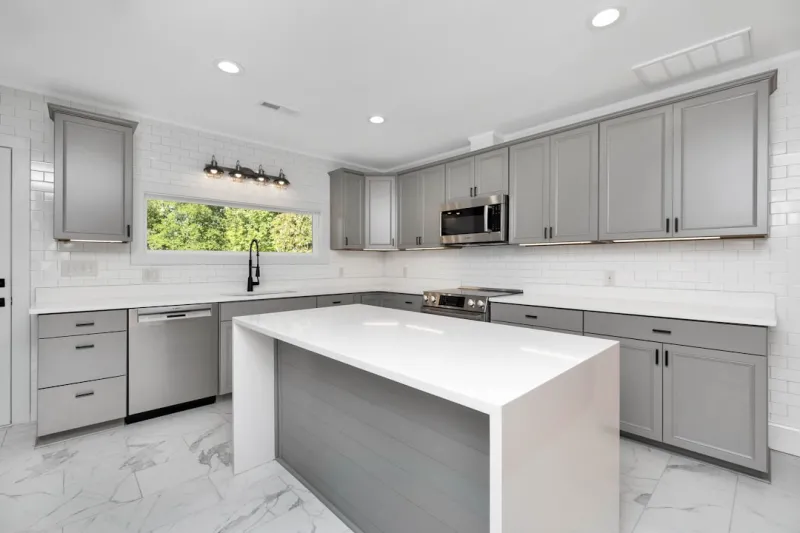
The Sustainable Revolution in Countertop Design: A Comprehensive Guide
Explore the intersection of sustainability and countertop design, highlighting eco-friendly material... Read More
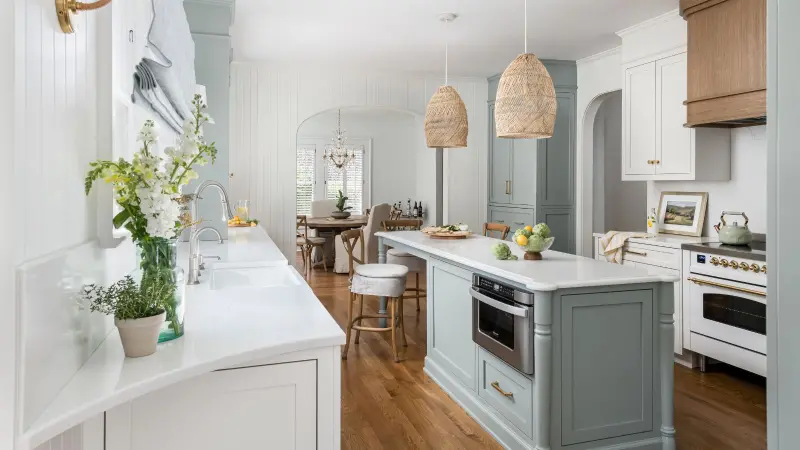
The Hidden Psychology Behind Your Kitchen Countertop Choices
Explore how the tactile feel, hue, and sustainability of countertops shape daily cooking experiences... Read More
Top Posts
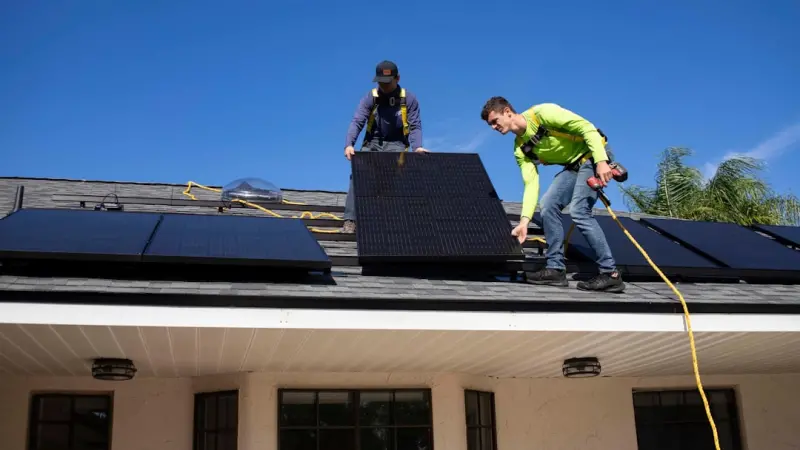
Solar Energy Unleashed: A Homeowner’s Blueprint for Real Savings and Resilience
A practical guide that shows homeowners how to integrate solar panels, storage, and smart tech to slash bills, boost energy independence, and prepare for the re...Read More
Micro‑Scale Weatherproofing: Small Tweaks, Massive Protection
A hands‑on guide to tiny yet powerful weatherproofing measures—seal gaps, improve drainage, add smart sensors, and more—to make any home resilient against...Read More
A Home Inspector’s Guide to Sustainable Smart Living
Explore the evolving role of home inspectors in sustainable, smart living, from insulation upgrades to IoT sensors, and learn actionable steps to future‑proof...Read More
The Garage as a Flexible Living Hub: From Gym to Workshop
Explore a step‑by‑step approach to redesigning your garage into a multi‑functional hub that accommodates a home gym, workshop, and serene retreat, using a...Read More
0 Comments
Post Comment
You will need to Login or Register to comment on this post!