
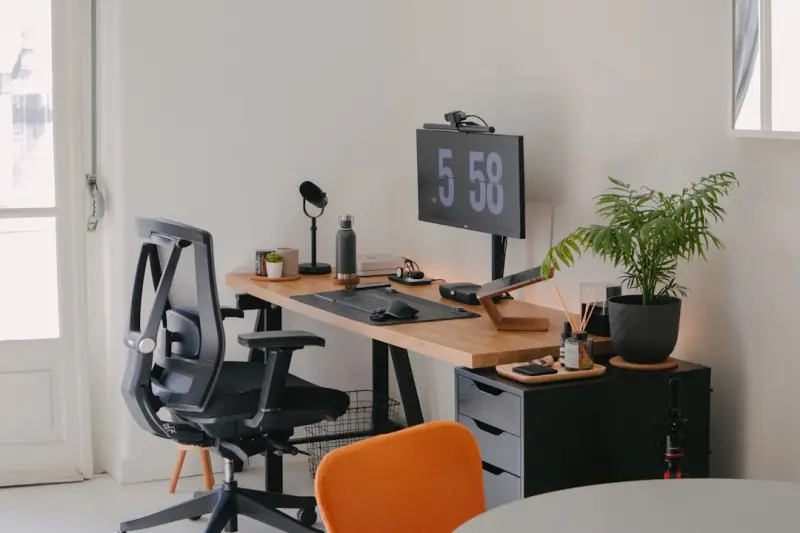
Rethink Your Layout: Make Every Square Foot Work for You
When I first moved into a modest two‑bedroom apartment, the biggest challenge wasn’t the rent—it was the feeling that the space itself was fighting me. I started treating the floor plan like a puzzle, not just a static backdrop. The key? Identify the rooms that double‑duty as both functional zones and mental sanctuaries. A dining table can become a standing desk, a hallway can host a gallery wall, and a spare bedroom can morph into a micro‑studio for hobbies.
Start by mapping out the traffic flow. Walk the perimeter of each room and note where you naturally pause, stretch, or set down objects. Those “pause points” are prime real estate for a small side table, a charging station, or a plant that adds a breath of fresh air. By aligning furniture with natural movement, you reduce the need to constantly shuffle items, which in turn declutters the visual field and boosts focus.
Lighting Hacks That Don’t Require a Renovation
Lighting is the silent influencer of mood, productivity, and even perceived space. You don’t need to install recessed fixtures to make a dramatic difference. Layered lighting—a mix of ambient, task, and accent sources—creates depth and flexibility.
- Ambient glow: Replace a single overhead bulb with a dimmable LED panel. Warm tones (2700‑3000 K) promote relaxation, while cooler tones (4000‑5000 K) sharpen concentration.
- Task lights: Clip‑on lamps for the kitchen island or a sleek desk lamp for the home office. Look for models with adjustable color temperature to match the time of day.
- Accent touches: LED strip lights behind a TV or under shelves add a subtle glow that can be turned on at night for a calming ambiance.
For those who love a bit of drama without the cost, window treatments as passive energy managers can also act as light diffusers, softening harsh afternoon sun while preserving privacy.
Air Quality & Aroma: The Invisible Comfort Layer
Most home‑improvement guides focus on visible upgrades, but the air you breathe is just as critical. Poor indoor air quality can sap energy, irritate sinuses, and even affect sleep quality. Here are three low‑maintenance ways to keep the air fresh:
- Strategic plant placement: Spider plants, snake plants, and peace lilies are low‑light champions that naturally filter VOCs.
- DIY charcoal filters: Place a shallow tray of activated charcoal in corners where odors linger. Replace every month for best results.
- Essential oil diffusers: A few drops of eucalyptus or lavender can clear sinuses and promote relaxation. Opt for ultrasonic models to avoid adding heat to the room.
Combine these with a simple habit of opening windows for 10‑15 minutes each morning. The cross‑ventilation flushes out stale air and lets in a gentle breeze that can reset the entire home’s atmosphere.
Tech‑Lite Automation: Convenience Without Overwhelm
Automation doesn’t have to mean a fully connected home ecosystem that feels like a sci‑fi movie set. Pick one or two “quick wins” that give the biggest return on effort.
- Smart plugs: Plug a lamp or coffee maker into a Wi‑Fi enabled outlet. Set schedules or voice commands to have the coffee brew as you walk into the kitchen.
- Motion‑sensing night lights: Replace hallway bulbs with motion‑activated LEDs. They turn on only when needed, saving energy and reducing trips in the dark.
- Voice‑controlled routines: Use a single voice assistant to trigger a “Good Night” routine that locks doors, dims lights, and sets the thermostat.
These small touches give the impression of a high‑tech home while keeping the learning curve manageable. If you’re looking for inspiration on how to integrate storage with technology, check out the ideas behind intelligent closet systems. Even if you don’t adopt a full‑scale system, the concept of “thinking ahead” with your storage can be applied to any room.
Create Quiet Zones for Mental Reset
In a world that never truly shuts down, carving out a quiet corner is essential for mental health. This isn’t about soundproofing—though that can be a future project—but about designing a space that signals “pause” to your brain.
Start with a simple chair, a small side table, and a soft rug. Add a focus object such as a small sculpture, a stack of favorite books, or a candle. Keep electronics to a minimum; if you need a device for meditation music, choose one with a single‑purpose function to avoid distractions.
Make the zone inviting by using a calming color palette—muted blues, soft greys, or warm neutrals. A few strategically placed window treatments as passive energy managers can also help control natural light, ensuring the space isn’t too bright or too dim at different times of day.
Multipurpose Furniture: The Art of “One‑in‑Many”
When square footage is at a premium, each piece of furniture should wear multiple hats. Think beyond the traditional sofa or dining table.
- Ottoman with storage: A plush ottoman that opens up to store blankets or remote controls keeps the living area tidy.
- Fold‑away desk: Wall‑mounted desks that flip up when needed free floor space for workouts or yoga.
- Convertible coffee table: A table that lifts to a higher surface can serve as a dinner table for two during meals.
Choosing furniture that serves a dual purpose reduces clutter and eliminates the need for extra storage units, which ties back to the philosophy behind intelligent closet solutions—maximizing function while minimizing footprint.
Seasonal Swaps: Simple Changes That Refresh the Whole Home
Instead of a full remodel every spring, try a series of seasonal swaps that keep the environment feeling fresh.
- Textiles: Switch out pillow covers, throws, and curtains for colors that reflect the season—cool pastels for spring, deep oranges for fall.
- Artwork rotation: Keep a few frames on a rotating schedule. Changing a single piece of art can alter the room’s vibe dramatically.
- Scents: Seasonal essential oil blends—citrus for summer, cinnamon for winter—can subtly shift the mood without any physical changes.
This approach is budget‑friendly and reduces waste, aligning with a sustainable mindset that many homeowners are adopting.
Final Thoughts: Small Tweaks, Big Impact
Home improvement is often portrayed as a series of massive projects that require permits, contractors, and deep pockets. The truth, as I’ve learned through trial and error, is that the most powerful transformations happen at the micro level. By re‑examining layout, lighting, air quality, and the way we use technology, you can craft a living space that feels both modern and uniquely yours—without a single structural change.
Remember, each adjustment builds on the last. A better light fixture makes a reading nook more inviting; a cleaner air flow makes that nook feel revitalizing. The cumulative effect is a home that works for you, not the other way around. Start small, stay consistent, and watch your everyday environment evolve into the supportive, energizing backdrop you deserve.

Lifan Chen is a freelancer based in Toronto specializing in marketing. With expertise in crafting effective marketing strategies and campaigns, Lifan helps businesses grow their brand presence and reach target audiences. As a Toronto-based freelancer, Lifan combines local market insights with creative marketing skills to deliver tailored solutions for clients.
Related Posts
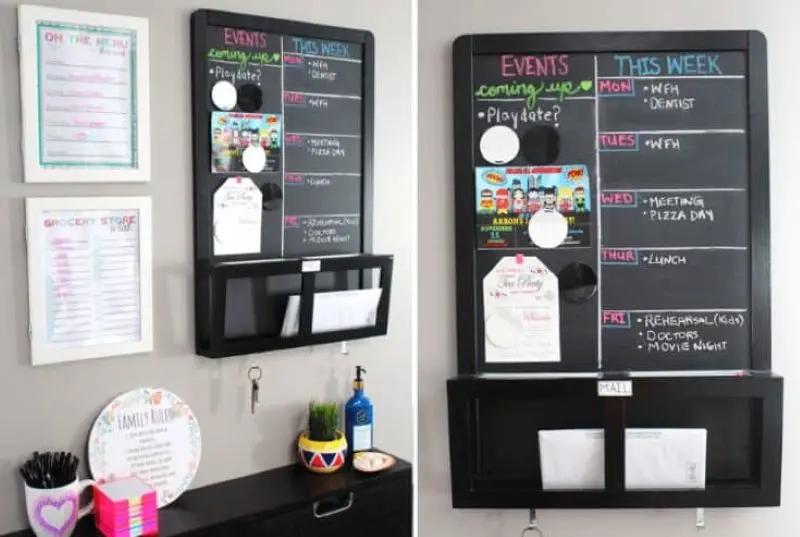
Build a Home Command Center to Declutter Your Life
Discover how a well‑designed home command center can transform chaos into order, offering practica... Read More
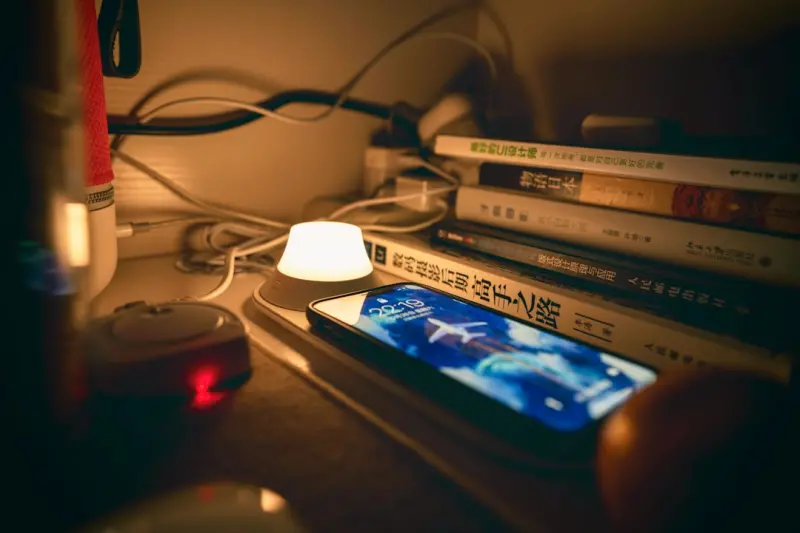
Layered Light: How to Light Your Home Smarter, Safer, and More Stylish
Learn how to create a three‑layer lighting system—ambient, task, and accent—that improves mood... Read More

Embracing Sustainable Practices in Home Renovations
Sustainable home renovations can help reduce your carbon footprint, create a healthier living space,... Read More
Top Posts
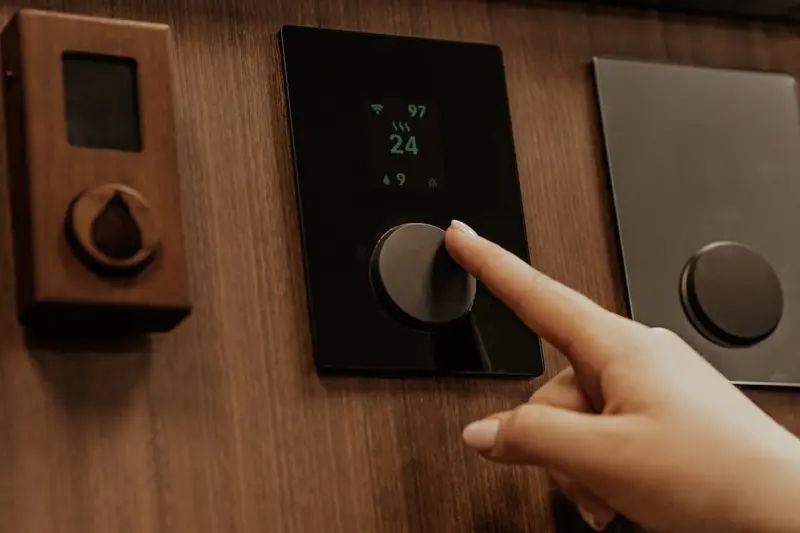
Predictive HVAC: Turning Climate Control into a Competitive Advantage
Predictive HVAC shifts climate control from reactive fixes to data‑driven optimization, delivering lower costs, healthier indoor air, and a sustainability edg...Read More

Building a Quiet Home: Acoustic Strategies for Modern Construction
Explore how to design and construct a home that prioritizes sound control, from decoupled walls to acoustic windows, ensuring lasting quiet and comfort....Read More
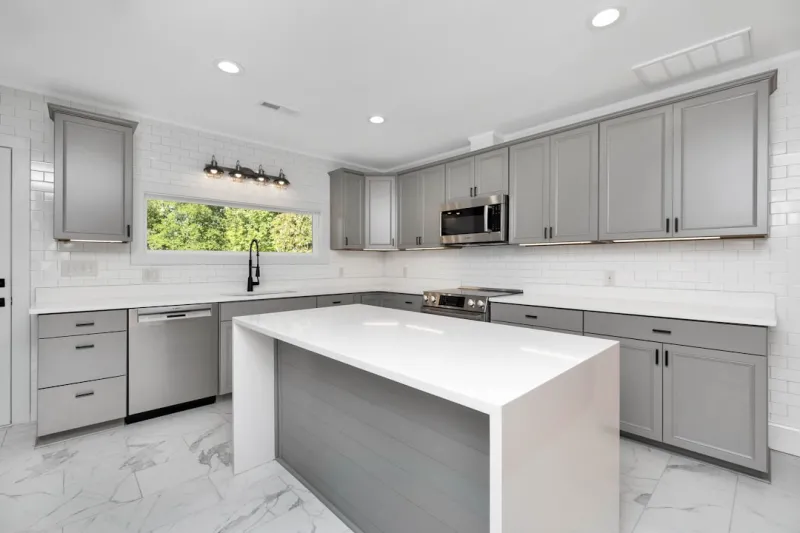
The Sustainable Revolution in Countertop Design: A Comprehensive Guide
Explore the intersection of sustainability and countertop design, highlighting eco-friendly materials, benefits, challenges, and opportunities in this rapidly e...Read More

Reviving Historic Crown Molding: A Hands‑On Guide to Authentic Home Restoration
Discover a step‑by‑step approach to restoring historic crown molding, balancing authenticity, code compliance, and modern comforts for lasting home elegance...Read More
0 Comments
Post Comment
You will need to Login or Register to comment on this post!