

The Quiet Power of Giving Old Wood a Second Story
When I first lifted a battered armchair from a dusty attic, I felt a surge of curiosity that quickly turned into a reverent responsibility to uncover the stories hidden beneath cracked veneer and faded upholstery, a feeling that has guided every project I undertake and reminded me that each grain of wood carries the echo of lives lived before us; this intimate dialogue between past and present is what makes furniture restoration feel less like a task and more like an act of preservation, a ritual that bridges generations while honoring the craftsmanship of artisans long gone. Over the years I have learned to treat each piece not merely as a marketable commodity but as a living artifact whose patina, wear patterns, and even the faint scent of old polish serve as clues to its original purpose and the hands that shaped it, prompting me to ask probing questions before I ever lay a hand on a nail or a brushstroke. The result is a process that balances meticulous research with hands‑on intuition, allowing me to transform a neglected relic into a conversation starter that invites guests to pause, ask, and appreciate the layered narrative embedded within its newly revived frame.
Finding the Right Candidate: A Detective’s Approach to Treasure Hunting
My weekend excursions to estate sales, thrift shops, and forgotten basements have become a disciplined hunt where I assess potential candidates through a lens sharpened by years of experience, looking first for structural integrity hidden beneath surface blemishes, then for unique character marks that suggest a piece has earned its place in a family’s story, because the most rewarding restorations often arise from items that appear beyond repair yet hold a resilient core waiting to be coaxed back to life. I pay particular attention to the type of wood, the joinery methods, and any signs of previous attempts at repair, because these details dictate the scope of work, the tools required, and the level of patience needed to honor the piece’s original intent while infusing it with contemporary relevance. By developing a mental checklist that balances feasibility with creative potential, I am able to walk away from a cluttered aisle with a solid, often overlooked gem that promises to become the centerpiece of a new narrative rather than a discarded relic.
Restoration as Sustainable Storytelling
In a world where mass‑produced furniture floods the market and contributes to a cycle of disposability, restoring a single heirloom becomes a radical act of environmental stewardship, a statement that sustainable craftsmanship can be both beautiful and financially sensible, especially when the carbon footprint of extracting, processing, and shipping new materials is compared to the modest energy required to revive an existing piece; this mindset shifts the conversation from “what can I buy?” to “what can I save?” and encourages homeowners to view their interiors as evolving narratives rather than static showrooms. Each decision—from the choice of low‑VOC stains to the use of reclaimed hardware—reinforces a commitment to reducing waste while celebrating the tactile richness that only aged wood can provide, creating a tactile bridge between the past’s patience and today’s eco‑conscious sensibilities. By sharing these stories with clients, I help them see that their investment in restored furniture is also an investment in the planet’s future, a win‑win that resonates long after the final polish dries.
The Prep Phase: Cleaning, Stripping, and the Science of Surface Preparation
Before any sanding or finishing can begin, the surface must be meticulously cleared of decades of grime, old varnish, and hidden contaminants, a step that often determines the success of the entire project; I start by gently dusting with soft brushes and vacuuming crevices, then apply a carefully formulated, environmentally friendly cleaner that lifts stubborn residues without saturating the wood, a technique I refined after consulting the principles outlined in Eco‑Friendly Carpet Cleaning and adapting them for solid wood. Once the piece is dry, I assess the existing finish and decide whether a chemical stripper or a more gradual hand‑scrape method will best preserve delicate details, always testing a small inconspicuous area first to ensure the underlying grain remains intact and the historic character is not erased. The final step before sanding involves a light sanding with fine‑grit paper to smooth the surface just enough to accept new finish, a delicate balance that requires patience, as over‑aggressive abrasion can strip away the very soul of the piece, while under‑preparation leads to uneven absorption and a lackluster final appearance.
Choosing the Perfect Finish: From Classic Stains to Modern Oils
After the wood is prepped, the selection of a finish becomes a dialogue between the piece’s original identity and the aesthetic goals of the client, a conversation that often leads me to blend traditional stains with contemporary water‑based oils to achieve depth, durability, and a low‑odor environment that respects modern indoor air standards; I reference the grain‑enhancing strategies discussed in Flooring Fundamentals to understand how different wood species respond to various pigments and sealers, allowing me to tailor a solution that accentuates natural patterns while protecting against daily wear. Whether I opt for a warm, amber-toned oil that brings out the subtle whorls of reclaimed pine or a sleek, matte polyurethane that suits a minimalist loft, I always conduct a small test patch, evaluate the drying time, and consider the piece’s intended use—high‑traffic dining chairs demand a tougher topcoat than a decorative side table destined for occasional display. The final application, performed with a high‑quality brush or a lint‑free cloth, is executed in thin, even layers, each lightly sanded between coats to ensure a seamless, hand‑rubbed feel that invites touch and admiration.
Structural Repairs: Reinforcing the Heart of the Piece
Beyond cosmetic concerns, many restoration projects reveal hidden structural weaknesses such as loose mortise‑and‑tenon joints, split legs, or sagging tabletops, challenges that demand both traditional woodworking knowledge and a willingness to incorporate discreet modern solutions without compromising visual integrity; I often begin by gently disassembling the compromised sections, cleaning the mating surfaces, and then applying a high‑strength, low‑odor wood glue that cures slowly enough to allow for realignment while maintaining a strong bond. For added reinforcement, I may introduce hidden dowels, pocket screws, or even small metal brackets that are cleverly concealed within the design, ensuring the piece can withstand the rigors of daily use without betraying the fact that it has been repaired. Once the structural work is complete, I re‑assemble the component, clamp it securely, and allow the glue to set for the manufacturer‑recommended duration, after which I sand any excess glue residue, preparing the area for the finishing stages that will unify the repaired section with the surrounding wood.
Creative Upcycling: Reimagining Function While Honoring Form
One of the most exhilarating aspects of my work lies in reimagining a piece’s purpose, turning a forgotten chest of drawers into a stylish bar cart or a weathered wardrobe into a sleek media console, a process that invites bold experimentation while respecting the original craftsmanship; I start by sketching a layout that preserves signature features—such as brass pulls or carved panels—while introducing modern functionalities like hidden wiring channels, adjustable shelving, or integrated lighting that meet today’s lifestyle demands. Selecting reclaimed hardware, reclaimed wood veneers, or salvaged metal accents allows me to infuse the project with a sense of continuity, a visual thread that ties the new use back to the piece’s historic roots, and often I source these components from local salvage yards to further reduce environmental impact. The final transformation is a harmonious blend of old and new, where the piece tells a story of adaptation and resilience, inviting its new owners to create memories that will add another layer to its ever‑evolving narrative.
Turning Passion into Profit: Pricing, Client Relations, and Portfolio Building
While the artistic side of restoration fuels my creativity, running a sustainable business requires clear communication, transparent pricing, and a well‑curated portfolio that showcases a range of styles and techniques, allowing prospective clients to envision how their own heirlooms might be revived; I begin each quote by itemizing labor hours, material costs, and any specialized services such as custom upholstery or intricate inlays, ensuring the client understands the value of each component and feels confident in the investment. Regular updates, progress photos, and honest timelines build trust, especially when unexpected challenges arise, and I always present before‑and‑after comparisons that highlight the transformation, a tactic that not only satisfies the current client but also provides compelling content for my website and social media channels. By documenting each project meticulously and encouraging satisfied owners to share their stories, I create a living archive that attracts new business, reinforces my reputation as a meticulous craftsman, and underscores the broader cultural importance of preserving our material heritage.
Looking Ahead: Technology, Community, and the Future of Restoration
The landscape of furniture restoration is evolving as digital tools, such as 3D scanning and augmented reality, enable us to visualize potential outcomes before a single nail is hammered, allowing both artisan and client to explore color palettes, hardware placements, and structural reinforcements in a virtual space that reduces guesswork and waste; I have begun experimenting with these technologies to create precise templates for intricate carvings, ensuring that any added elements blend seamlessly with the original design while respecting the piece’s historical context. At the same time, I am committed to fostering a community of like‑minded makers through workshops, mentorship programs, and collaborative projects that democratize the skills necessary to revive aging furniture, because sharing knowledge multiplies impact and safeguards these techniques for future generations. As the demand for authentic, sustainable interiors grows, I see a bright future where restored pieces occupy a central place in modern homes, serving as tangible reminders that beauty and functionality can endure when we choose to honor, rather than discard, the stories etched into our built environment.

David MacKinnon is a dynamic freelance writer known for his captivating storytelling and keen insights into the world of technology. With a passion for exploring the intersection of innovation and everyday life, he crafts engaging narratives that not only inform but also inspire his readers.
Related Posts

Breathing New Life into Vintage Pieces: A Restorer’s Journey
Explore the art and economics of furniture restoration through a seasoned restorer’s perspective, ... Read More
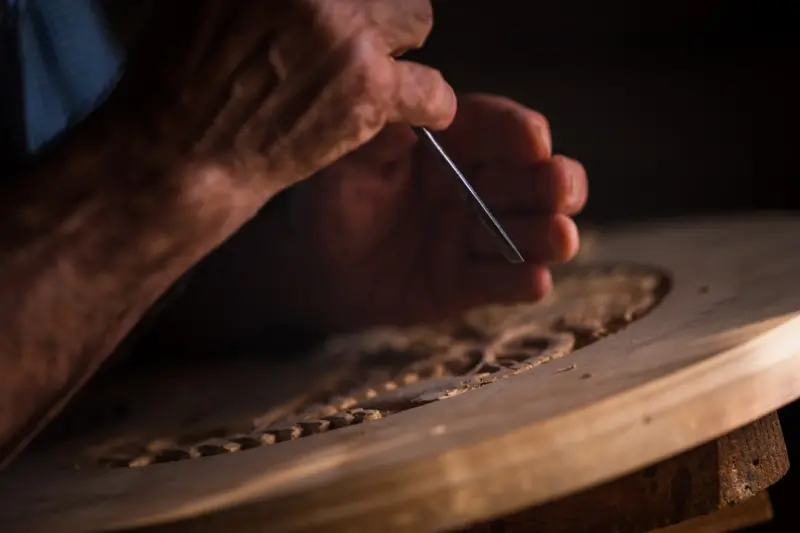
Reimagining Furniture Restoration: Craft Meets Science
A deep dive into merging traditional woodworking skills with modern science, offering step‑by‑st... Read More
Restoring Office Furniture: A Strategic Path to Sustainable Growth
Restoring office furniture isn’t just a DIY trend—it’s a strategic lever that reduces expenses... Read More
Top Posts

Quiet Walls, Peaceful Homes: Mastering Acoustic Design in Modern Construction
A deep dive into acoustic-friendly construction, covering wall assemblies, floor decoupling, window upgrades, and smart tech to help homeowners build quieter, h...Read More

Strategic Commercial Renovations: Turning Workspaces into Growth Engines
Learn why modern commercial renovations are strategic investments that enhance brand, sustainability, and flexibility—ensuring spaces work harder for your bus...Read More

The Hidden Economics of Countertop Choices: Value, Durability, and the Bottom Line
A deep dive into the true cost of countertops, covering material selection, maintenance, health implications, integration with building systems, and circularity...Read More
Beyond the Basement: Modern Waterproofing Strategies for Every Surface
Explore innovative waterproofing beyond basements—transparent membranes, green sealants, and smart sensors unite to safeguard decks, roofs, and renewable ener...Read More
0 Comments
Post Comment
You will need to Login or Register to comment on this post!