

Why Drywall Is No Longer Just a Blank Canvas
When I first stepped onto a construction site fresh out of trade school, drywall was the unremarkable backdrop that waited patiently for paint, trim, and the occasional poster. Today, that humble gypsum board is undergoing a renaissance—becoming an active participant in the building’s performance, sustainability goals, and even its digital heartbeat. In an era where every square foot is examined for value, the wall surface is no longer a passive separator; it’s an opportunity to embed acoustic mastery, energy efficiency, and smart sensing without compromising design intent.
Green Materials: The Rise of Recycled Gypsum
One of the most compelling shifts in drywall technology is the move toward recycled and bio‑based core materials. Traditional gypsum production is energy‑intensive, but manufacturers are now incorporating post‑consumer drywall waste, agricultural by‑products, and even industrial fly ash into new panels. The result is a wall system that slashes embodied carbon by up to 30 % while retaining the familiar strength and fire‑rating that contractors rely on. For developers chasing LEED credits or net‑zero targets, selecting a recycled‑gypsum board can be a quick win that dovetails with other green initiatives—like the principles championed in Eco‑First Carpet Care, where the entire interior ecosystem is evaluated for environmental impact.
Acoustic Mastery: How Modern Drywall Reduces Noise
Open‑plan offices, coworking hubs, and multifamily residences all grapple with the same problem: sound travels too freely. The good news is that contemporary drywall formulations now include viscoelastic polymers and mass‑loaded layers that dramatically improve Sound Transmission Class (STC) ratings. By simply opting for a double‑layered approach—standard ½‑inch board on the interior, topped with a ¼‑inch acoustic backing—designers can achieve a reduction of up to 15 dB in ambient chatter without adding bulk or compromising ceiling height. Pair that with strategic placement of resilient channels, and you have a wall that not only blocks noise but also dampens vibration, creating a more tranquil environment for occupants.
Embedded Intelligence: Sensors and Smart Systems
Imagine a wall that knows when humidity spikes, when a leak is imminent, or when indoor air quality dips below healthy thresholds. That vision is becoming reality through the integration of ultra‑thin sensor mats that adhere directly to the drywall surface during installation. These mats communicate with building management systems (BMS) via low‑power Bluetooth or Zigbee, feeding real‑time data that can trigger ventilation adjustments or alert maintenance crews. The beauty lies in the minimal disruption—no additional conduit or bulky hardware. As buildings become more data‑driven, the wall itself transforms into a silent sentinel, echoing the smart infrastructure trends highlighted in recent discussions about Predictive Duct Maintenance.
Integrating Drywall with Heating and Airflow
Historically, drywall acted as an insulator, but modern engineering is turning it into a conduit for thermal comfort. By embedding thin, flexible heating mats or radiant tubing behind the board, contractors can create low‑profile radiant wall heating that works in concert with floor systems. This layered approach distributes warmth more evenly and reduces the reliance on forced‑air solutions, which in turn lowers energy consumption. The synergy mirrors the concepts explored in Warmth as Narrative, where heating becomes an expressive element rather than a hidden utility.
Practical Tips for Contractors and DIY Enthusiasts
- Plan for Layering Early: If you anticipate adding acoustic or thermal layers, order the appropriate board thickness and fastening schedule up front. Retrofitting later can be costly and may compromise fire‑rating compliance.
- Choose the Right Screws: For high‑density, recycled gypsum, use screws with a larger thread pitch to ensure a secure grip without over‑driving.
- Seal All Joints: Even with advanced boards, air leakage can occur at seams. Apply a high‑quality, low‑VOC joint compound and tape, then finish with a vapor‑retardant primer.
- Integrate Sensors During Hang: Lay sensor mats before the first board goes up, securing them with minimal adhesive so they stay flat and invisible.
- Test Before Finishing: Conduct an STC or thermal imaging test after installation but before plastering to confirm performance goals are met.
The Business Case: ROI on Intelligent Drywall
Beyond the tangible performance gains, intelligent drywall offers measurable financial benefits. Buildings equipped with acoustic and thermal upgrades see a reduction in HVAC loads—often translating to 5‑10 % lower energy bills. Moreover, the presence of built‑in sensors can shorten maintenance cycles, as early detection prevents costly water damage or mold remediation. Tenants also place a premium on comfort and indoor air quality, which can boost lease rates and occupancy levels. When you add the sustainability angle—leveraging recycled materials to earn green certifications—the cumulative ROI becomes compelling for owners and developers alike.
Future Outlook: From Wall to Platform
Looking ahead, the wall is poised to become a multifunctional platform that blends structural, environmental, and digital responsibilities. Emerging research points to the integration of photovoltaic films directly onto drywall surfaces, turning walls into low‑intensity energy generators that supplement building power. Simultaneously, advances in 3D‑printed gypsum allow for custom textures and integrated conduit pathways, reducing on‑site labor. As these technologies mature, the next generation of drywall will likely be marketed not just as a building material but as a service—complete with performance analytics, predictive maintenance, and adaptable finishes that respond to occupant needs.
Getting Started: A Checklist for the Modern Builder
To embrace this new era of drywall, start with a simple checklist:
- Assess project goals: acoustic comfort, sustainability, smart integration, or thermal efficiency.
- Select a board that aligns with those goals—recycled gypsum for sustainability, acoustic‑enhanced cores for sound, or fire‑rated variants for safety.
- Plan for any embedded systems early—sensor mats, heating elements, or photovoltaic layers.
- Coordinate with HVAC and BMS teams to ensure seamless data flow and thermal performance.
- Implement a quality‑control regime that includes post‑install testing for STC, R‑value, and sensor functionality.
- Document performance metrics to feed into future projects and marketing collateral.
By treating drywall as a strategic asset rather than a finishing afterthought, you unlock a suite of benefits that ripple through comfort, sustainability, and operational efficiency. The walls you raise today will not only define the visual language of a space but also its health, intelligence, and resilience for years to come.

Kelly Reynolds is a dynamic freelance writer hailing from the picturesque landscapes of Alberta. A master of the written word, she juggles her passion for storytelling with the exhilarating chaos of being a mother to five spirited children. With an impressive portfolio that spans various genres, Kelly captivates readers through her engaging blog posts and thought-provoking articles.
Related Posts
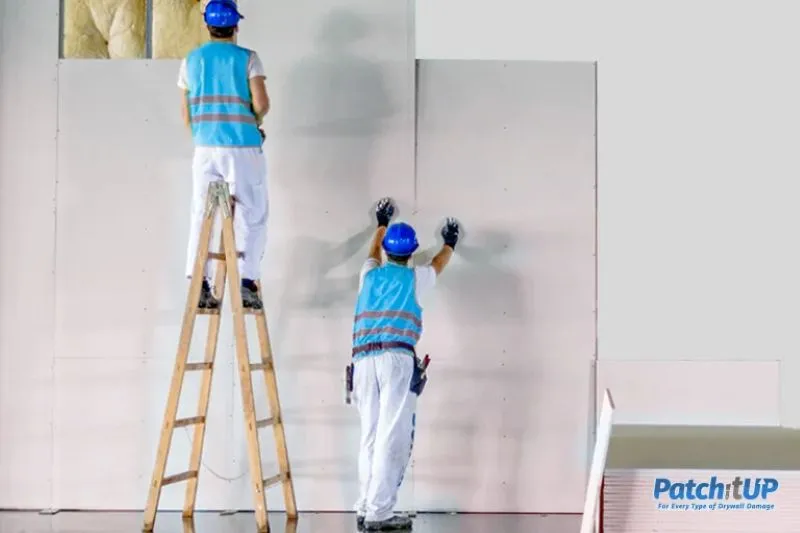
From Bare Bones to Beautiful: A DIY Guide to Mastering Drywalling
Transform your home with this comprehensive guide to DIY drywalling. Learn the essential steps from ... Read More
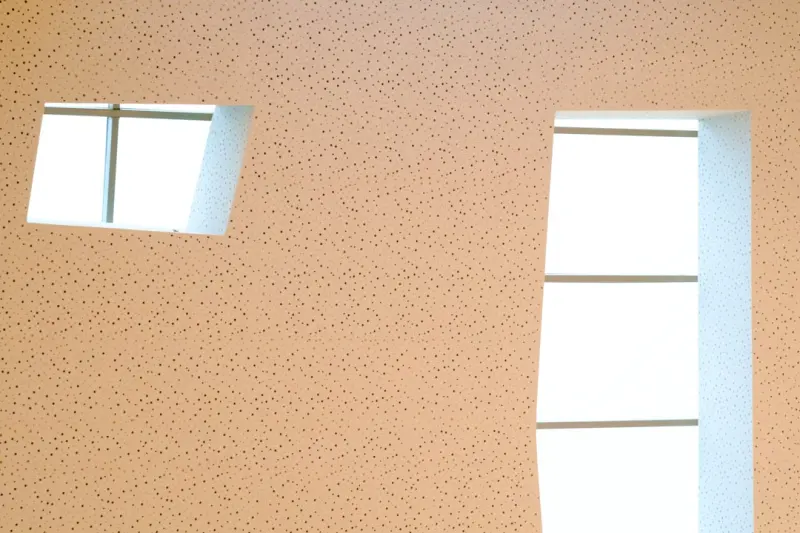
Creative Drywall Finishes: Turning Plain Walls into Personalized Spaces
Explore how to upgrade drywall from a simple partition to a design asset with creative finishes, sou... Read More

Reinventing Drywall: High‑Performance Walls for Comfort, Efficiency, and Smarts
Discover a fresh approach to drywall that integrates acoustic backing, reflective insulation, recycl... Read More
Top Posts
Revitalize Your Lawn: A Soil‑First Strategy for Thriving Grass
A soil‑first approach transforms your lawn into a resilient, low‑maintenance oasis. Learn how to test, amend, and nurture the ground beneath for lasting gre...Read More
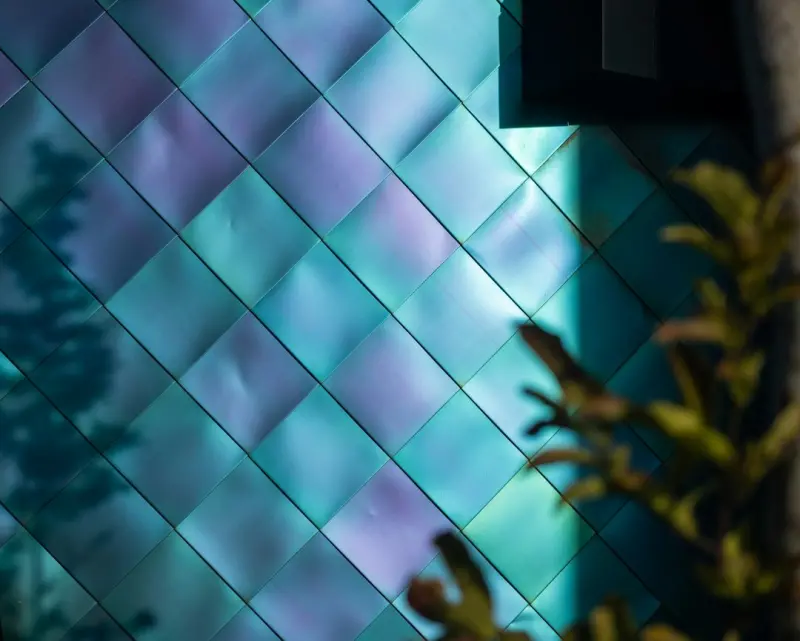
Beyond Aesthetics: How Smart Tiling is Redefining the Built Environment
Smart tiling merges durability with data, turning floors and walls into interactive platforms that enhance safety, energy use, and occupant experience. This pos...Read More

Drone‑Powered Property Maintenance: Seeing What You’ve Been Missing
Drones are redefining property maintenance by delivering fast, safe, and data‑rich inspections that allow managers to spot issues before they become costly re...Read More
The Rising Trend of Sustainable Appliance Repair
Appliance repair is booming as homeowners seek greener, cost‑effective solutions. Learn the latest trends, essential tools, and maintenance habits to keep you...Read More
0 Comments
Post Comment
You will need to Login or Register to comment on this post!