
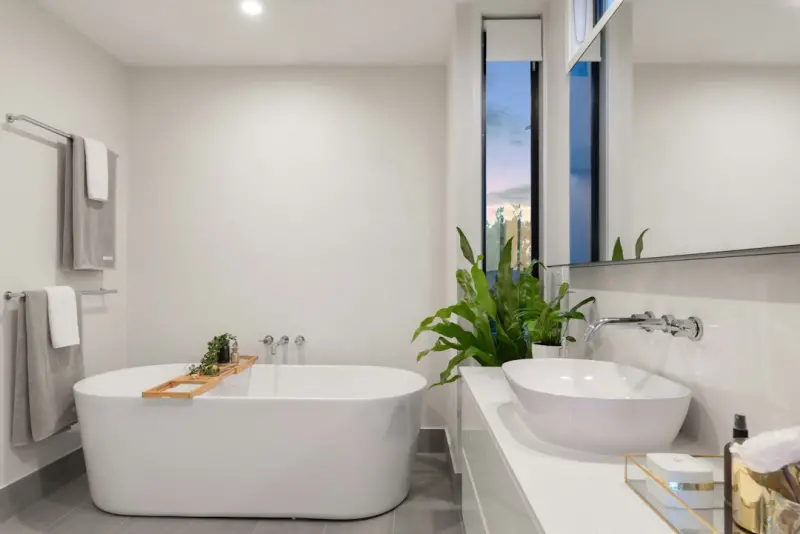
When homeowners talk about a “home upgrade,” the bathroom often gets sidelined in favor of kitchens, living rooms, or curb‑appeal projects. Yet the bathroom is uniquely positioned to become a daily retreat—a space where we begin and end each day. In today’s market, savvy remodelers are shifting from purely aesthetic upgrades to holistic, wellness‑centric renovations that blend comfort, health, and technology. This piece explores how to reimagine the bathroom as a personal sanctuary, while also delivering lasting value and efficiency.
Why Wellness‑First Matters in Bathroom Design
Traditional bathroom remodels focus on fixtures, tile patterns, and vanity styles. While those elements still matter, an emerging design philosophy places human wellbeing at the core. Think of the bathroom as the first line of defense against stress: a place to unwind, rejuvenate, and practice mindfulness. By integrating features that support physical health (like proper humidity control) and mental calm (such as soothing lighting), the space can actively contribute to overall quality of life.
Research in environmental psychology shows that spaces with intentional lighting, temperature regulation, and natural elements can lower cortisol levels and improve sleep quality. Applying those findings to bathroom design turns a functional room into a therapeutic experience.
Water‑Saving Technologies That Don’t Compromise Luxury
Eco‑conscious homeowners often assume that water‑saving fixtures mean a downgrade in experience. Modern technologies, however, prove the opposite. Low‑flow showerheads now feature adjustable pressure settings and aerating nozzles that maintain a robust feel while cutting water usage by up to 30 %. Dual‑flush toilets offer a “half‑flush” option for liquid waste, reducing the average household’s water consumption dramatically.
Beyond fixtures, smart water‑management systems monitor usage in real time. These devices can alert you to leaks, track daily consumption, and even suggest optimal times for showers based on utility rate schedules. The result? A bathroom that feels indulgent while staying responsibly efficient.
Creating a Spa‑Like Atmosphere
Turning a bathroom into a mini‑spa doesn’t require a full‑scale renovation budget. Small, thoughtful details can make a huge impact:
- Rainfall Showers & Body Jets: Multi‑directional spray heads mimic natural rain, promoting relaxation and improved circulation.
- Steam Generators: Compact units fit under existing ceilings and can be programmed to produce a gentle mist, opening pores and easing muscle tension.
- Heated Floors & Towel Racks: Warm surfaces eliminate the shock of cold tiles and keep linens toasty, especially appreciated during colder months.
- Ambient Soundscapes: Built‑in speakers can play calming nature sounds, masking the typical bathroom hum and creating a serene environment.
These elements work together to transform a routine cleanse into a ritual of self‑care, aligning the bathroom with the broader wellness movement.
Smart Lighting & Mood Control
Lighting is arguably the most influential yet often overlooked element in bathroom design. Layered lighting solutions—ambient, task, and accent—provide flexibility for various activities, from applying makeup to unwinding with a candlelit soak.
LED fixtures equipped with color‑temperature tuning allow you to shift from bright, energizing white light in the morning to warm, amber tones in the evening. Integrating motion sensors ensures lights automatically dim or turn off, conserving energy while adding a touch of futuristic convenience.
For tech‑savvy users, voice‑activated lighting scenes can be programmed via popular smart home platforms, enabling a one‑command transformation from “Wake Up” to “Relax” mode.
Material Choices That Balance Durability and Sensory Appeal
Choosing the right surfaces is crucial for both longevity and the overall feel of the space. Natural stone, such as slate or travertine, offers a tactile, earthy texture that grounds the senses. Porcelain tiles, now available in ultra‑thin, large‑format options, provide a sleek, seamless look while resisting stains and moisture penetration.
For the vanity, consider water‑resistant engineered wood or high‑pressure laminates that mimic the warmth of hardwood without warping. Countertops made from quartz blend durability with a polished aesthetic, and their non‑porous nature prevents bacterial growth—a vital consideration for a wet environment.
Integrating Universal Design Without Over‑Emphasizing Aging‑In‑Place
Universal design principles—think slip‑resistant flooring, grab bars, and zero‑threshold showers—enhance safety for all users, not just seniors. When incorporated thoughtfully, these features can blend seamlessly into the overall aesthetic. For example, a glass‑enclosed shower with a built‑in, low‑profile handrail can appear as a sleek design element while providing support.
Adjustable vanity heights, lever‑type faucets, and illuminated mirrors with magnification options also serve a broad demographic, from children learning to brush teeth to adults seeking ergonomic convenience.
The Role of Professional Partnerships
Executing a wellness‑centric bathroom remodel often requires expertise that spans plumbing, electrical, and interior design. This is where strategic collaborations become a game‑changer. Partnering with a handyman subscription service can streamline the process, offering on‑demand access to vetted professionals for everything from minor fixture swaps to complex steam system installations.
Such services not only reduce the administrative burden but also ensure consistency in workmanship, which is critical when integrating smart systems that must communicate flawlessly. Moreover, regular maintenance plans included in these subscriptions can extend the lifespan of high‑tech components, protecting the homeowner’s investment.
Designing for Cognitive Wellness Within the Bathroom
While the bathroom might not be the first place you think of for mental health, its design can subtly influence cognition and mood. Soft, diffused lighting reduces glare, which can alleviate eye strain. Incorporating calming color palettes—muted blues, gentle greens, and warm neutrals—has been shown to lower stress levels.
Even the spatial layout plays a role: clear sightlines and uncluttered surfaces diminish visual noise, allowing the mind to focus. For those interested in deeper integration of wellbeing, consider consulting resources on cognitive wellness design, which offer guidelines adaptable to bathroom spaces.
Future Trends to Watch
Looking ahead, several innovations promise to elevate bathroom wellness even further:
- AI‑Powered Mirror Assistants: Mirrors equipped with facial recognition can suggest optimal lighting for grooming, monitor skin health, and even provide guided meditation prompts.
- Self‑Cleaning Surfaces: Nano‑coating technologies that repel water and bacteria reduce the need for harsh chemicals and constant scrubbing.
- Personalized Climate Zones: Integrated HVAC modules create micro‑climates, keeping the shower area warm while the rest of the bathroom remains cool.
- Biophilic Integration: Living walls and moisture‑loving plants not only enhance air quality but also reinforce the connection to nature—a proven stress reducer.
These advancements, when combined with thoughtful design, will continue to shift the bathroom from a purely utilitarian room to a sanctuary that supports both body and mind.
Putting It All Together: A Blueprint for Your Renovation
To translate these ideas into a concrete plan, follow this step‑by‑step framework:
- Define Your Wellness Goals: Identify which aspects—relaxation, energy, health—are most important to you.
- Audit Existing Infrastructure: Assess plumbing, electrical capacity, and space constraints to determine what can be upgraded.
- Select Core Technologies: Choose water‑saving fixtures, smart lighting, and any high‑tech features that align with your goals.
- Choose Materials Wisely: Balance durability with sensory appeal, opting for surfaces that feel good underfoot and underhand.
- Engage Professionals Early: Leverage a handyman subscription service or similar partner to coordinate trades and ensure seamless integration.
- Implement Universal Design Elements: Add safety features that complement the aesthetic, such as discreet grab bars and slip‑resistant flooring.
- Test and Refine: Once installed, spend time in the space and adjust lighting scenes, water temperature presets, and soundscapes to perfect the experience.
By following this roadmap, you’ll create a bathroom that not only meets your functional needs but also serves as a daily oasis for wellness.
In a world where home environments increasingly influence our health, the bathroom stands out as a high‑impact canvas. With the right blend of technology, design, and thoughtful planning, you can transform a simple washroom into a personal wellness sanctuary—adding value, comfort, and a touch of luxury to your everyday routine.

Paul Gray is a dynamic blogger based in Brampton, where he shares his life with his amazing wife, Sarah. Known for his engaging writing style and relatable insights, Paul has carved out a niche in the blogging world that resonates with readers from all walks of life. When he's not crafting captivating posts, you can find him savoring a cold beer or indulging in the latest blockbuster movie. With a friendly demeanor and a passion for storytelling, Paul brings a unique perspective to his work, making him not just a blogger, but a voice for those who appreciate the simple joys of life.
Related Posts
Reimagining the Bathroom: Sustainable, Smart, and Inclusive Design
Discover how to create a bathroom that balances sustainability, intelligent technology, and inclusiv... Read More
Revamping Your Bathroom: A Comprehensive Guide to Renovations
Revamp your bathroom with our comprehensive guide, covering planning, design, materials, and more. L... Read More
Sustainable Bathroom Renovations: A Guide to Eco-Friendly Upgrades
Learn how to create a sustainable bathroom renovation that's both eco-friendly and functional. Disco... Read More
Top Posts
Beyond the Pane: Crafting Sustainable, Smart, and Story‑Driven Window Treatments
Discover how sustainable fabrics, smart automation, and thoughtful design turn ordinary windows into stylish, energy‑saving focal points that enhance wellbein...Read More

Smart Awnings: The Overlooked Energy Ally
Intelligent awnings, equipped with sensors and integrated into building automation, can reduce cooling loads, extend roof life, and enhance tenant satisfactionâ...Read More

The Future of Paving: Trends, Innovations, and Best Practices
The paving industry is evolving rapidly, with a focus on sustainable materials, smart technologies, and best practices. Learn about the latest trends and innova...Read More
Creating a Multi‑Generational Home Addition That Works for Everyone
A multi‑generational home addition blends accessibility, flexibility, and smart design to keep families close while respecting privacy and modern work needs. ...Read More
0 Comments
Post Comment
You will need to Login or Register to comment on this post!