
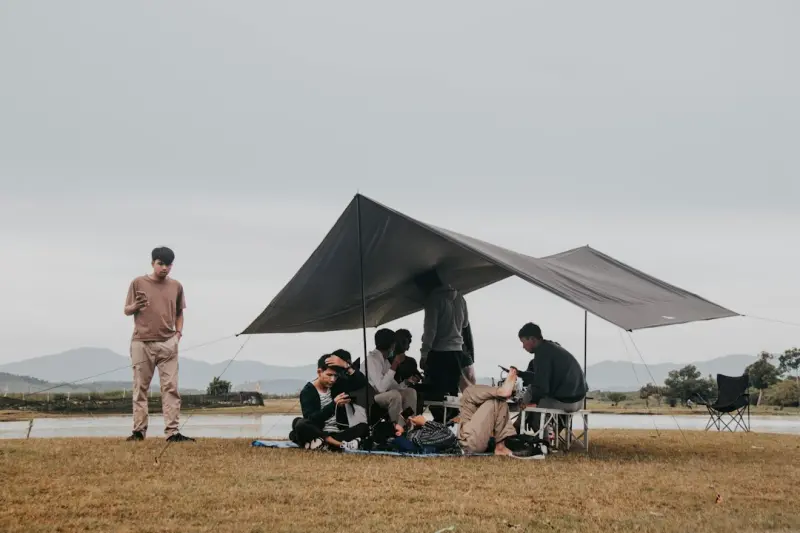
When an Awning Becomes Your Building’s First Line of Smart Defense
Imagine stepping out onto a patio on a blistering summer day, and the sun—once an oppressive glare—softens instantly as a sleek, motor‑driven awning glides over you. Now picture that same awning responding to a sudden rainstorm, folding away to reveal a sleek glass façade that still keeps water at bay. This is not a futuristic fantasy; it’s the emerging reality of intelligent awnings that double as climate‑responsive skins, energy savers, and brand ambassadors—all while looking effortlessly chic.
Why Awnings Are No Longer an After‑thought
For decades, awnings lived in the shadow of larger façade systems. They were treated as ornamental accessories—a decorative canvas for a café or a functional shade for a storefront. The industry’s perception shifted when architects and facilities managers began to ask a simple question: What if the awning could do more than just block sunlight?
Today, awnings are being re‑engineered with high‑tech fabrics, embedded sensors, and connectivity that tie them directly into a building’s digital twin. They are becoming integral to the performance envelope, influencing HVAC loads, daylight harvesting, and even occupant well‑being. In short, an awning can now be your first line of smart defense against the elements.
The Anatomy of a Modern Smart Awning
Let’s break down the components that turn a traditional canvas awning into a high‑performance asset:
- Adaptive Fabric: Advanced polymers that change their solar reflectance based on temperature, reducing heat gain while still allowing filtered daylight.
- Motorized Mechanisms: Quiet, low‑torque motors that can be programmed to extend, retract, or adjust angle at the touch of a button or automatically via sensors.
- Embedded Sensors: Light, wind, and rain sensors feed real‑time data to building management systems (BMS), allowing the awning to react without human intervention.
- IoT Connectivity: Wi‑Fi or LoRaWAN modules enable remote monitoring, predictive maintenance alerts, and integration with occupancy schedules.
- Energy Harvesting Options: Thin‑film solar cells can be laminated onto the awning surface, turning shade into a source of clean electricity.
Energy Savings: The Numbers Behind the Shade
When an awning shades a glazed façade, the solar heat load can drop by 30‑45 percent, depending on orientation and fabric reflectivity. This directly translates into reduced cooling demand. In a midsize office building with a 5,000 sq ft south‑facing glass wall, a well‑designed awning system can shave up to 25,000 kWh of electricity per year—equivalent to powering 15 average homes.
But the benefits don’t stop at cooling. By moderating glare, awnings improve the effectiveness of daylight sensors, allowing lighting controls to dim more aggressively. This synergistic effect means you’re not just saving on HVAC; you’re also cutting lighting consumption, often achieving a combined 10‑15 percent reduction in total building energy use.
From Maintenance Headaches to Predictive Care
One of the biggest pain points for facilities teams is the hidden wear of moving parts. Traditional awnings can suffer from motor burnout, fabric tearing, or corrosion, especially in coastal climates. This is where the handyman’s playbook meets cutting‑edge analytics.
Modern awnings equipped with vibration and current sensors can detect early signs of motor strain. Predictive algorithms flag these anomalies in the BMS dashboard, prompting a service ticket before a full‑blown failure. The result? Lower labor costs, less downtime, and a longer overall lifespan for the awning.
Biophilic Design: Merging Nature and Architecture
Biophilia is more than a buzzword; it’s a design philosophy that recognizes our innate connection to nature. Smart awnings can act as living canvases—think fabric that changes hue with the sunrise, or kinetic “leaf‑like” panels that flutter with the breeze. By integrating natural movement and tactile materials, you create a dynamic environment that reduces stress, boosts productivity, and enhances the aesthetic narrative of your space.
One case study involved a boutique hotel that installed a series of algae‑infused awning panels. The panels not only provided shade but also performed photosynthesis, creating a subtle, pleasant scent and a visual reminder of sustainability. Guests reported higher satisfaction scores, attributing part of their experience to the “living roof” feel created by those awnings.
Branding Opportunities: The Awning as a Moving Billboard
In commercial districts, visual identity is a constant battle for attention. A motorized awning that can change color or display graphics offers a low‑cost, high‑impact branding platform. Imagine a coffee shop whose awning shifts from a warm amber in the morning to a cool teal by evening, mirroring the mood of the menu.
Because the awning is already integrated into the building’s control system, updating the visual content can be as simple as uploading a new image via a web portal. This flexibility means seasonal promotions, community messages, or even real‑time social media feeds can be broadcast without additional signage.
Design Considerations: Getting the Balance Right
While the technology is exciting, the success of any awning project hinges on thoughtful design. Here are three pillars to keep in mind:
- Orientation & Climate: In hot, sunny climates, prioritize high solar reflectance fabrics and larger overhangs. In cooler regions, consider retractable systems that allow maximum solar gain during winter.
- Structural Integration: The awning must be anchored to a structural element capable of handling wind loads. Consulting with a structural engineer early in the design phase prevents costly retrofits.
- User Experience: The control interface—whether a wall panel, mobile app, or voice command—should be intuitive. Occupants should feel empowered to adjust shade levels without needing a technician.
Case Study: A Retail Campus’s Climate‑Responsive Facade
A regional retail campus with ten storefronts decided to replace its patchwork of static awnings with a unified, IoT‑enabled system. The project goals were threefold: reduce cooling loads, improve shopper comfort, and create a cohesive brand image.
- Implementation: Each storefront received a motorized awning with adaptive fabric, equipped with wind, rain, and solar sensors. The awnings were linked to a central BMS that also managed interior lighting.
- Results: Within six months, the campus saw a 12% drop in HVAC energy use. Customer dwell time increased by 8%, attributed to the consistently comfortable micro‑climate under the awnings. Maintenance calls dropped by 40% thanks to predictive alerts.
- Brand Impact: The awnings were programmed to display subtle brand colors that shifted with the time of day, reinforcing a modern, tech‑savvy identity without overt advertising.
Future Trends: What’s on the Horizon for Awnings?
Looking ahead, a few emerging trends promise to make awnings even more integral to building performance:
- Energy‑Positive Fabrics: Researchers are developing fabrics embedded with perovskite solar cells that can generate enough electricity to power the motor and feed excess back to the grid.
- AI‑Driven Optimization: Machine learning models that analyze weather forecasts, occupancy patterns, and energy pricing can automatically schedule awning movements for maximum cost savings.
- Modular Kinetic Systems: Inspired by kinetic architecture, future awnings may feature segments that move independently, creating dynamic patterns that respond to wind direction and speed.
Getting Started: A Practical Roadmap
If you’re convinced that your building could benefit from a smarter awning, follow this straightforward roadmap:
- Assessment: Conduct a daylight and solar heat gain analysis of your façade. Identify the zones where shade would have the biggest impact.
- Define Objectives: Are you targeting energy savings, brand visibility, occupant comfort, or a combination? Clear goals will guide technology selection.
- Partner with Experts: Look for manufacturers with proven IoT integration and a track record of reliable motorized mechanisms.
- Pilot Project: Install a single awning system on a high‑visibility location. Monitor performance for three to six months.
- Scale and Optimize: Use data from the pilot to refine control algorithms, then roll out across the building or portfolio.
Conclusion: Awnings as the Unsung Heroes of Smart Buildings
The humble awning is finally stepping out of the background and into the spotlight of sustainable, intelligent design. By blending adaptive materials, sensor‑driven automation, and aesthetic versatility, awnings can transform from a simple shade solution into a multifunctional asset that saves energy, enhances comfort, and reinforces brand identity.
Whether you’re a facilities manager looking to slash operating costs, an architect eager to push the envelope of biophilic design, or a retailer seeking a dynamic branding platform, the modern awning offers a compelling answer. Embrace the technology, plan thoughtfully, and let your building’s first line of defense become a source of pride, performance, and personality.

When it comes to the world of blogging and writing, Rose DesRochers is a name that stands out. Her passion for creating quality content and connecting with her audience has made her a trusted voice in the industry. Aside from her skills as a writer and blogger, Rose is also known for her compassionate nature.
Related Posts
The Sustainable Awning Revolution: How Eco-Friendly Designs Are Changing the Game
The world of awnings is undergoing a significant transformation, driven by the need for sustainable ... Read More
The Sustainable Awning Revolution: Eco-Friendly Options for Your Home
Explore the world of sustainable awnings and learn how eco-friendly practices are changing the game.... Read More
Shade and Style: Transforming Outdoor Spaces with Smart Awnings
Explore the art of selecting, installing, and maintaining smart awnings that blend style, sustainabi... Read More
Top Posts
The Future of Design Build: Sustainable Outdoor Spaces Take Center Stage
Sustainable outdoor spaces are no longer just a nicety, but a necessity in modern design build. Learn how to incorporate eco-friendly materials, energy-efficien...Read More
Concrete Creations: Turning Slabs into Stories
Discover the hidden artistry of concrete—from historic roots to modern DIY projects—showcasing sustainable mixes, decorative techniques, and collaborations ...Read More

Elevating Home Inspections: How Drones Are Changing the Game
Explore the impact of drones on home inspections—enhanced safety, detailed visual data, and a new standard for transparent, data‑driven assessments....Read More
The Ultimate Guide to Foundation Repair: A Comprehensive Overview
Foundation repair is crucial for maintaining the stability and longevity of your home. Learn about common causes of foundation damage, signs of foundation probl...Read More
0 Comments
Post Comment
You will need to Login or Register to comment on this post!