
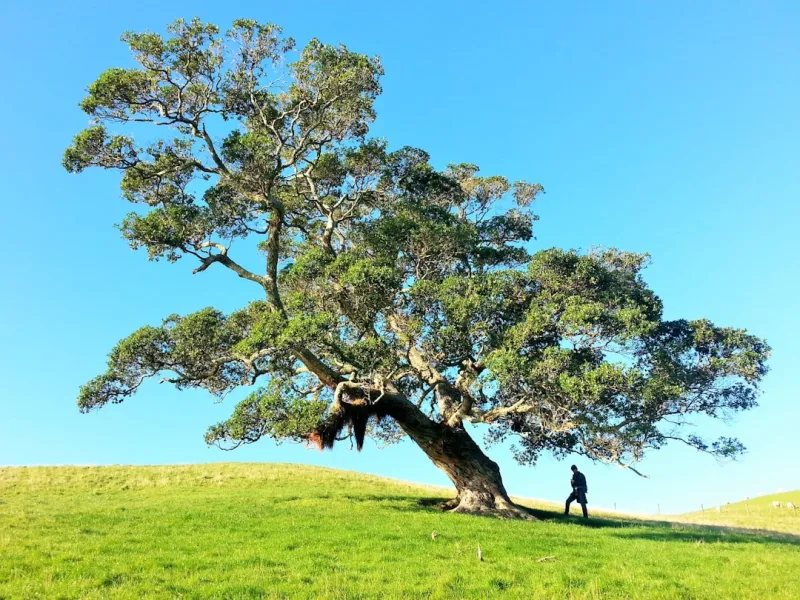
Understanding Tree Care Through a Sustainable Lens
When I first stepped onto a property with mature oaks, I realized that trees are not just decorative elements; they are living, breathing infrastructure that supports our homes, our health, and the planet. As a seasoned contractor who has pivoted toward greener practices, I see each pruning cut and soil amendment as an investment in resilience, reducing energy costs and improving air quality for the families I serve. Smart tree care therefore becomes a cornerstone of any sustainable renovation plan, linking the health of the landscape to the efficiency of the building envelope.
The Science Behind Pruning: Timing, Technique, and Tools
Proper pruning is more than a cosmetic tweak; it’s a precise science that respects a tree’s growth cycle, vascular structure, and ecological role. I always schedule major cuts during late winter when sap flow is minimal, which minimizes stress and encourages robust spring growth. Using certified, low-impact tools—such as hand‑saws with carbon‑steel blades and lubricated hinges—prevents unnecessary bark damage and reduces the spread of pathogens, aligning with the same meticulous standards I apply to sustainable general contracting projects.
Soil Health: The Hidden Foundation of Tree Longevity
The soil beneath a tree is a bustling ecosystem of microbes, fungi, and organic matter that fuels root development and nutrient uptake. I advocate for regular soil testing, followed by targeted amendments like composted wood chips or mycorrhizal inoculants, which enhance water retention and create a thriving rhizosphere without resorting to synthetic fertilizers. By treating soil health as an integral part of the overall renovation, homeowners can see tangible benefits: stronger trees that provide shade, windbreaks, and carbon sequestration for years to come.
Integrating Tree Care with Home Energy Efficiency
One of the most rewarding aspects of my work is seeing how strategic tree placement can slash heating and cooling bills. Deciduous trees planted on the south side act as natural sunshades in summer, while shedding leaves in winter to let the sun warm the home—a living version of the passive solar design I champion in the green revolution in landscaping. Conversely, evergreen windbreaks on the north protect against cold drafts, reducing the need for supplemental heating and improving indoor comfort without compromising aesthetic appeal.
Water Management: From Rain Gardens to Mulch Layers
Effective water management is a cornerstone of both tree health and sustainable home design. I incorporate rain gardens at the base of larger specimens, allowing excess runoff to infiltrate the soil while filtering pollutants—a practice that mirrors the water‑wise strategies I employ in eco‑friendly bathroom renovations. A generous mulch layer, kept a few inches away from the trunk, conserves moisture, moderates soil temperature, and suppresses weeds, all while creating a tidy, professional finish that aligns with the clean lines favored in modern interior remodels.
Pest and Disease Prevention Without Harmful Chemicals
When I detect early signs of pests or disease, my first line of defense is cultural control: adjusting irrigation, improving air circulation, and ensuring proper pruning angles to reduce fungal entry points. If intervention is necessary, I turn to botanical oils, neem extracts, or beneficial insects—options that protect the tree while safeguarding the surrounding garden and indoor environment. This philosophy echoes the chemical‑free approaches highlighted in our sustainable carpet cleaning playbook, proving that performance and responsibility can coexist.
Seasonal Maintenance Routines for Busy Homeowners
Consistency is key; a seasonal checklist keeps tree care manageable and prevents costly emergencies. In early spring, I recommend a thorough visual inspection, removal of deadwood, and a light feed of organic fertilizer. Summer calls for deep watering during droughts and monitoring for insect activity, while autumn is the ideal time to clear leaf litter and apply a fresh mulch blanket. Winter, though quiet, is perfect for assessing structural support and planning any necessary corrective pruning for the following year.
Documenting Tree Care as Part of Your Home’s Green Portfolio
Just as you would keep receipts for energy‑efficient appliances, maintaining detailed records of tree care activities enhances the value of your property and supports any future resale or certification processes. I advise homeowners to log dates, techniques used, and outcomes, attaching photos when possible. This transparent documentation demonstrates a commitment to sustainability and can be a compelling addition to the green narratives we build around kitchen remodels, fencing upgrades, and other eco‑focused improvements.
Future Trends: Technology, Community, and Climate Resilience
The next frontier in tree care will blend technology with community engagement, from drone‑based health assessments to citizen‑science apps that track phenology changes. By staying ahead of these trends, I can offer clients predictive maintenance plans that anticipate climate stressors, ensuring their trees remain robust even as weather patterns shift. Ultimately, integrating thoughtful tree stewardship into every renovation not only protects the immediate environment but also contributes to a larger, greener future—one where homes and the natural world thrive side by side.

Craig Brett is a freelancer with a passion for the outdoors. His love for nature inspires his work, bringing authentic and engaging perspectives to projects related to outdoor activities, adventure, and environmental topics.
Related Posts

Seasonal Tree Care: Turning Canopies into Strategic Assets
A detailed, seasonal checklist shows property managers how to transform tree maintenance from a reac... Read More

Microclimate Mapping for Urban Trees: A DIY Guide to Proactive Care
A practical, data‑driven guide shows property managers and homeowners how to set up inexpensive se... Read More
Cultivating Resilient Urban Canopies: A Hands‑On Guide to Tree Stewardship
A comprehensive, hands‑on guide outlines how to map root zones, improve soil health, prune strateg... Read More
Top Posts
Sustainable Bathroom Renovations: A Guide to Eco-Friendly Upgrades
Learn how to create a sustainable bathroom renovation that's both eco-friendly and functional. Discover the latest trends and technologies in sustainable bathro...Read More

DIY Home Repairs: A Year‑Long Preventive Maintenance Blueprint
Learn how to create a practical, year‑long preventive maintenance schedule that saves money, avoids emergencies, and empowers you to handle home repairs with ...Read More

Countertop Revolution: Health, Tech, and Longevity
Countertops are evolving from static slabs into health‑centers, smart platforms, and sustainable assets. This post dives into antimicrobial materials, embedde...Read More

The Hidden Symphony: Orchestrating Power Flow in Modern Workspaces
A deep dive into dynamic power architecture, showing how smart panels, real‑time analytics, and modular micro‑grids transform office electricity from a hidd...Read More
0 Comments
Post Comment
You will need to Login or Register to comment on this post!