
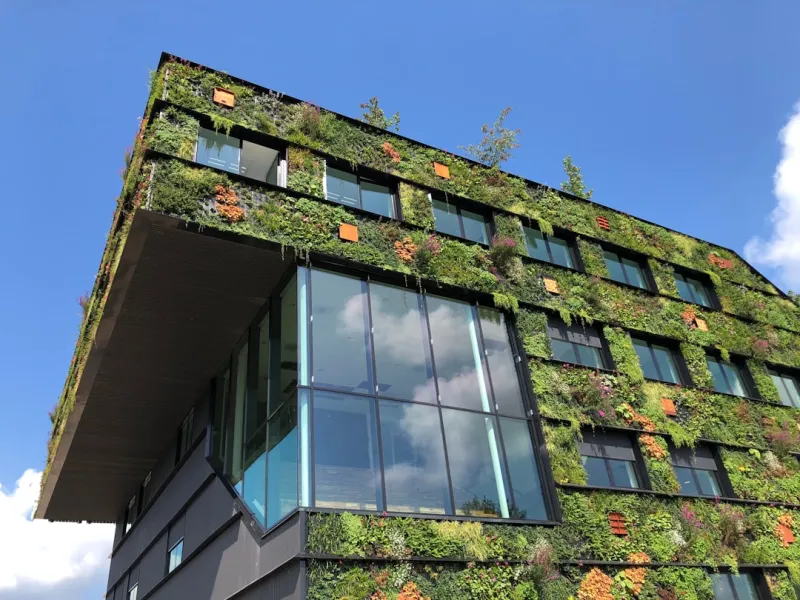
The Future of Design Build: How Sustainable Solutions Are Revolutionizing the Industry
As a design build expert, I've had the privilege of witnessing the evolution of the industry firsthand. One trend that's been gaining significant traction in recent years is the shift towards sustainable solutions. Homeowners and businesses alike are becoming increasingly environmentally conscious, and it's not just about reducing their carbon footprint – it's also about creating healthier, more efficient spaces that promote well-being. In this article, I'll explore the current state of sustainable design build and what the future holds for this exciting industry.
The sustainable design build movement is not just a passing fad; it's a fundamental shift in how we approach construction and renovation. Traditional design build methods often prioritize aesthetics and functionality over environmental considerations. However, with the growing awareness of climate change, resource depletion, and environmental degradation, there's a growing demand for sustainable solutions that minimize waste and reduce environmental impact. The evolution of sustainable design build is a testament to the industry's commitment to innovation and sustainability.
The Rise of Eco-Friendly Materials
One of the most significant developments in sustainable design build is the increasing use of eco-friendly materials. Traditional building materials like concrete, steel, and wood can have a significant environmental impact, from deforestation to greenhouse gas emissions. However, new materials like reclaimed wood, low-carbon concrete, and sustainable composites are emerging as viable alternatives. These materials not only reduce waste and minimize environmental impact but also offer improved performance and durability. For instance, sustainable fencing options like bamboo and recycled plastic are becoming increasingly popular for their eco-friendly properties.
Energy Efficiency and Renewable Energy
Another critical aspect of sustainable design build is energy efficiency and renewable energy. As energy costs continue to rise, homeowners and businesses are looking for ways to reduce their energy consumption and reliance on fossil fuels. This is driving the adoption of energy-efficient systems like solar panels, wind turbines, and geothermal heating and cooling. Not only do these systems reduce energy consumption, but they also offer significant cost savings over the long term. In fact, energy inspections can help identify areas of inefficiency and provide actionable recommendations for improvement.
Indoor Air Quality and Health
Sustainable design build is not just about reducing environmental impact; it's also about creating healthier spaces that promote well-being. Indoor air quality is a critical aspect of this, as poor air quality can lead to a range of health problems. This is driving the adoption of sustainable ventilation systems, air filtration systems, and non-toxic materials. For example, sustainable home painting options like low-VOC paints can significantly improve indoor air quality.
The Future of Sustainable Design Build
So, what does the future hold for sustainable design build? As the industry continues to evolve, we can expect to see even more innovative solutions emerge. From net-zero energy buildings to sustainable urban planning, the possibilities are endless. One thing is certain, however: sustainable design build is here to stay, and it's going to play a critical role in shaping the future of our built environment.
Embracing Sustainable Commercial Renovations
The sustainable design build movement is not limited to residential construction; it's also gaining traction in the commercial sector. Businesses are recognizing the benefits of sustainable renovations, from reduced energy consumption to improved employee well-being. In fact, sustainable commercial renovations can have a significant impact on a company's bottom line.
The Role of Technology
Technology is playing an increasingly important role in sustainable design build. From building information modeling (BIM) to energy simulation software, technology is helping designers and builders optimize building performance and reduce environmental impact. We're also seeing the emergence of new technologies like green roofs, living walls, and kinetic architecture.
Conclusion
The future of design build is sustainable, and it's exciting to think about what's on the horizon. As the industry continues to evolve, we can expect to see even more innovative solutions emerge. Whether you're a homeowner, business owner, or design build professional, there's never been a better time to get involved in sustainable design build. By embracing sustainable solutions, we can create a healthier, more efficient built environment that benefits both people and the planet.
Sunrooms and Sustainable Design
One final aspect of sustainable design build worth mentioning is the role of sunrooms. Sunrooms are a great way to bring natural light and ventilation into a building, reducing the need for artificial lighting and heating and cooling systems. In fact, sunrooms can be a sustainable way to bring the outdoors in, promoting well-being and reducing environmental impact.
Final Thoughts
In conclusion, the future of design build is all about sustainability. From eco-friendly materials to energy-efficient systems, we're seeing a fundamental shift in how we approach construction and renovation. As the industry continues to evolve, it's essential to stay informed about the latest trends and innovations. By embracing sustainable design build solutions, we can create a better future for ourselves and for generations to come.

Lifan Chen is a freelancer based in Toronto specializing in marketing. With expertise in crafting effective marketing strategies and campaigns, Lifan helps businesses grow their brand presence and reach target audiences. As a Toronto-based freelancer, Lifan combines local market insights with creative marketing skills to deliver tailored solutions for clients.
Related Posts
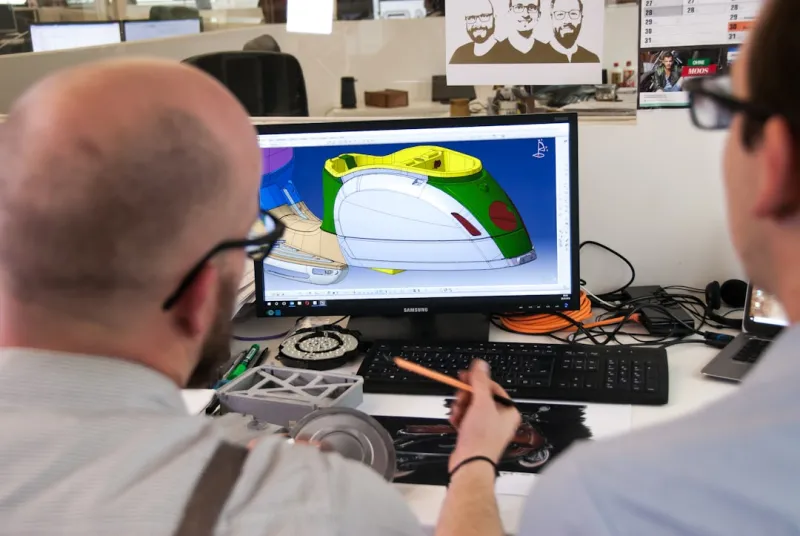
Design‑Build Mastery: Crafting Sustainable Homes That Thrive
Explore the design‑build approach that blends visionary design, collaborative construction, and su... Read More

Modular Momentum: Rethinking Design‑Build for Speed, Quality, and Sustainability
This post explores how integrating modular construction into design‑build contracts can halve proj... Read More

Design‑Build Meets Augmented Reality: Real‑Time Collaboration for Smarter Projects
Augmented reality is reshaping design‑build workflows by overlaying 3‑D models onto physical sit... Read More
Top Posts
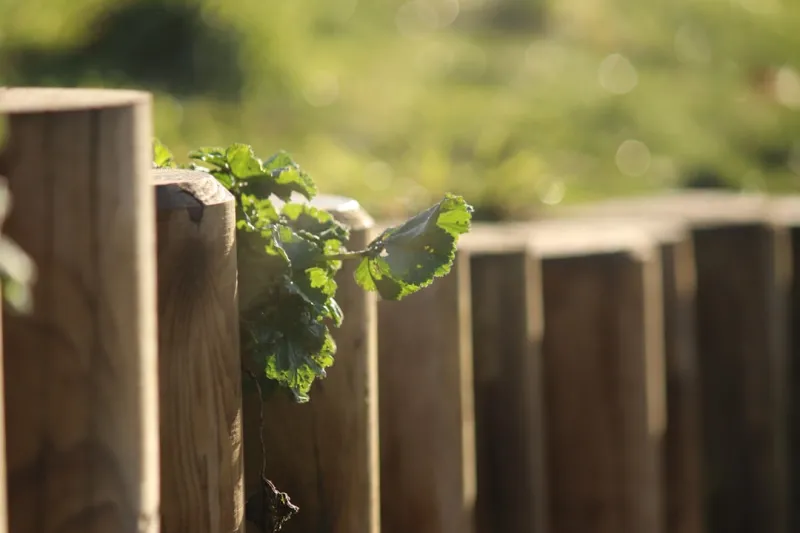
Eco-Friendly Fencing: A Sustainable Approach to Home Security and Aesthetics
Eco-friendly fencing is a great way to enhance your home's security, aesthetics, and sustainability. Learn about sustainable fencing materials, designs, and mai...Read More
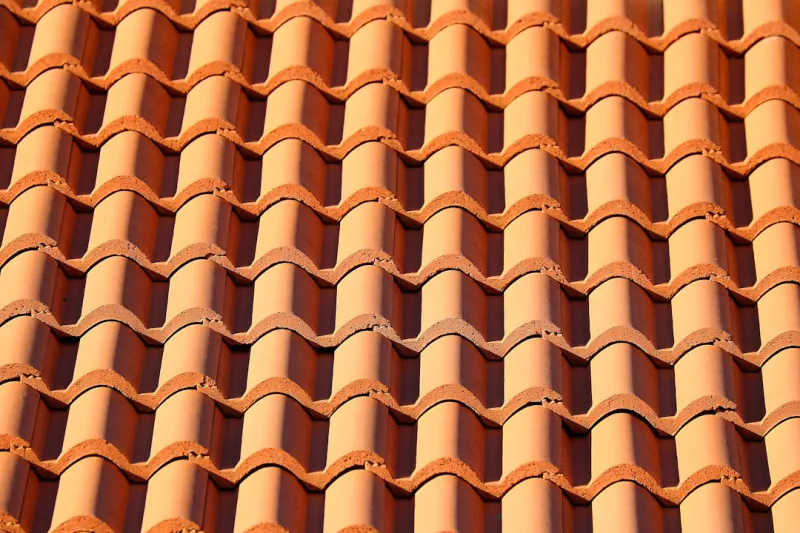
Mastering Sustainable Tiling: From Material Choice to Long‑Lasting Installation
Explore the full cycle of sustainable tiling—from material selection and installation tricks to smart maintenance—crafted by an industry veteran who blends ...Read More

Unlocking Hidden Savings: A Modern Homeowner’s Guide to Energy Inspection
Learn how modern energy inspection blends smart data, DIY tools, and AI predictions to uncover hidden savings and qualify for green incentives....Read More

Cultivating a Multi‑Sensory Lawn: A Fresh Approach to Outdoor Well‑Being
Transform your yard into a sensory sanctuary with diverse grasses, herbs, and smart water practices, creating an outdoor space that nurtures mind, body, and the...Read More
0 Comments
Post Comment
You will need to Login or Register to comment on this post!