
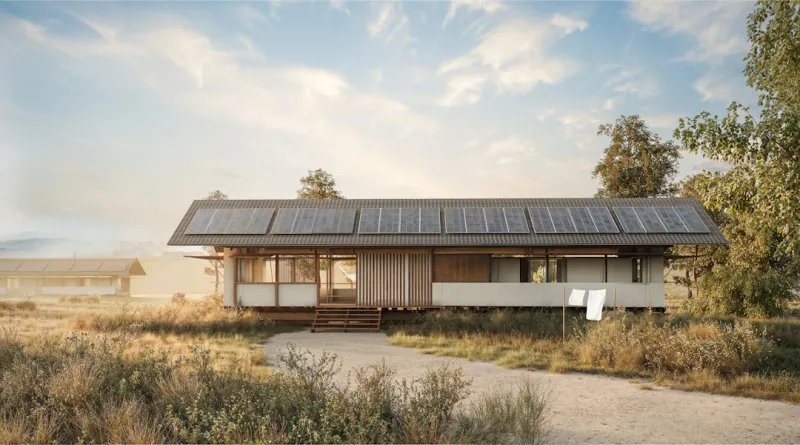
Rethinking the Role of the General Contractor
When I first stepped onto a construction site fifteen years ago, the checklist was simple: deliver on time, stay on budget, and keep the client happy. Today, those same goals are filtered through a new lens—sustainability—and the modern general contractor has become the steward of both resources and relationships, a transformation I’ve witnessed firsthand as I guide families through their dream renovations. Embracing green practices isn’t just a buzzword for me; it’s a strategic imperative that reshapes every decision, from the selection of low‑VOC adhesives to the choreography of waste diversion, ensuring that the homes we build not only stand the test of time but also honor the planet that shelters them.
Clients now arrive at my office armed with research about carbon footprints, energy‑star ratings, and the latest recycled‑material options, demanding transparency that I gladly provide because their trust fuels my own commitment to a cleaner industry. This shift has turned the contractor‑client dialogue into a collaborative brainstorming session, where we weigh the lifecycle costs of a bamboo flooring versus traditional oak, or debate the merits of a solar‑ready roof while still respecting the project’s financial parameters. By translating complex sustainability metrics into relatable benefits—like lower utility bills and healthier indoor air—I help homeowners see that eco‑conscious choices are also smart investments.
One of the most rewarding moments in my career arrived when a family expressed concern about the environmental impact of their upcoming remodel, prompting me to pull out a case study from our archives that highlighted how a modest switch to reclaimed lumber saved over 30 % in material waste and cut the overall project carbon output dramatically. The excitement in their eyes when I showed them the before‑and‑after carbon calculations reminded me that the contractor’s role has expanded from a mere builder to a catalyst for lasting change, bridging the gap between aspiration and actionable, sustainable outcomes.
Materials, Methods, and the Magic of Green Innovation
Choosing the right materials is where theory meets practice, and in my experience, the most impactful decisions happen at the sourcing stage, where a simple preference for locally produced, recycled, or rapidly renewable products can slash transportation emissions and support regional economies simultaneously. For instance, I recently specified a low‑emission drywall system that not only met stringent indoor‑air‑quality standards but also paired perfectly with a finish that required fewer coats, reducing both labor time and the amount of paint waste generated on site—an approach echoed in Paul Gray’s Green Guide to Eco‑Friendly Drywalling and one I champion on every project.
Beyond the walls, the kitchen remains the heart of a home, and it’s also a hotspot for sustainability wins, which is why I frequently reference Transform Your Kitchen: Sustainable Renovation Secrets from a Pro when clients ask how to combine style with stewardship; from opting for Energy Star appliances to installing reclaimed countertop islands, each choice compounds to create a culinary space that feels modern while leaving a lighter ecological footprint.
Equally transformative is the integration of waste‑management protocols that turn what would be landfill debris into valuable resources; we sort demolition scrap on‑site, partner with local recyclers for metals and concrete, and even compost organic waste from demolition, turning a chaotic process into a well‑orchestrated, zero‑waste symphony that not only reduces disposal costs but also aligns with the growing regulatory emphasis on construction sustainability across municipalities.
Challenges, Success Stories, and the Path Forward
Adopting a sustainable framework isn’t without hurdles—permits can lag when innovative materials lack precedent, and finding vetted suppliers who meet both quality and eco‑criteria requires diligent networking, but the payoff is evident in projects like a recent suburban remodel where we installed eco‑friendly fencing made from reclaimed timber, delivering a secure boundary that blended seamlessly with the landscape while cutting material costs by nearly a quarter.
Overcoming these obstacles often means educating stakeholders, from city inspectors to subcontractors, about the long‑term benefits of green building practices; I host quarterly workshops that demystify life‑cycle assessments and showcase successful case studies, turning skepticism into advocacy and building a supply chain that increasingly favors sustainable options because they’re proven to be reliable and cost‑effective.
Looking ahead, I see the future of general contracting as a fusion of technology and tradition, where Building Information Modeling (BIM) predicts energy performance before the first nail is driven, and augmented reality helps clients visualize the environmental impact of material choices in real time; by staying ahead of these trends, I aim to ensure that every renovation I oversee not only meets today’s standards but also sets the benchmark for tomorrow’s greener, more resilient homes.

William Roy is a freelance writer originally from Montreal who moved to Ottawa with his wife of 50 years to be closer to their grandkids. Alongside his writing, William has a passion for fishing.
Related Posts
Circular Construction: Turning Waste into Profit
General contractors can turn construction waste into a revenue stream by designing for deconstructio... Read More

Automation on the Ground: How AI and Robotics Are Reshaping General Contracting
Automation is redefining the general contractor’s role. From AI‑driven schedules that anticipate... Read More
The Rise of Adaptive Project Management for General Contractors
General contractors can future‑proof their workflows by adopting modular building, digital twin te... Read More
Top Posts

From Reactive to Revenue: Reimagining Property Maintenance
This post shows how property managers can shift from reactive repairs to a strategic, data‑driven maintenance model that delights tenants, cuts costs, and cre...Read More

Designing for the Senses: A New Era of Experiential Interiors
A deep dive into sensory‑first interior design, blending biophilic principles, acoustic comfort, textile storytelling, and flexible layouts to create immersiv...Read More

Why Trees Deserve a Seat at the Executive Table
A fresh look at tree care shows that mature canopies act like natural HVAC systems, cut costs, and enhance sustainability, making them essential strategic asset...Read More
Sensor‑Enabled Waterproofing: Building a Zero‑Leak Future
Explore how sensor‑enabled waterproofing converts passive barriers into active, data‑driven systems that detect moisture before damage occurs, delivering co...Read More
0 Comments
Post Comment
You will need to Login or Register to comment on this post!