
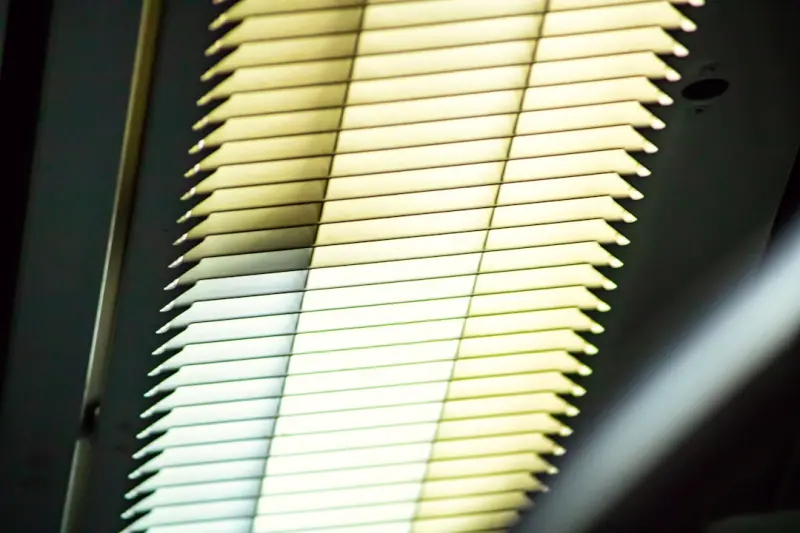
Beyond Curtains: How Tunable Window Treatments Shape the Modern Workplace
When I first stepped into a glass‑encased conference room bathed in harsh, unfiltered sunlight, I felt my focus drift and my eyes ache. It was a reminder that the way we manage daylight isn’t just an aesthetic decision—it’s a strategic lever for productivity, health, and the bottom line. Over the past few years I’ve watched a quiet revolution unfold: window treatments are moving from static drapes to data‑aware, programmable systems that respond to occupants, climate, and even the rhythm of work.
The Business Case for Dynamic Light Management
Traditional blinds and shades were installed once and left to their own devices. Today, organizations are realizing that every square foot of glazing is a living interface. By integrating tunable fabrics, motorized louvers, and sensor‑driven controls, companies can:
- Reduce glare and eye strain, which translates into fewer breaks and higher concentration scores.
- Modulate solar heat gain to keep HVAC loads in check, shaving up to 15% off energy bills in sun‑rich climates.
- Support circadian health by delivering the right spectrum of light at the right time, boosting morale and reducing absenteeism.
- Enhance brand perception—a space that feels comfortable and adaptable signals a forward‑thinking culture to clients and talent alike.
The ROI isn’t just in the utility meter. Studies show that well‑lit, glare‑free environments can lift employee satisfaction by 12% and improve task performance by 8% on average. Those numbers matter when you factor in recruitment costs and the intangible value of a thriving workplace culture.
From Manual to Programmable: The Technology Stack
The heart of modern window treatment lies in three layers:
- Sensor Network – Ambient light, temperature, occupancy, and even weather forecasts feed real‑time data into a control hub.
- Actuation Mechanism – Quiet, low‑torque motors adjust shades, blinds, or electrochromic films with precision.
- Intelligent Interface – Cloud‑based platforms let facilities managers set schedules, create “scenes” for different activities, and receive analytics on energy savings and usage patterns.
What’s exciting is the convergence of these layers with broader building systems. While I won’t dive into the specifics of intelligent glazing solutions, the principle is the same: treat every façade element as a programmable asset, not a static envelope.
Designing for Flexibility: A New Design Language
Historically, window treatments were dictated by interior design trends—heavy drapes for formality, sheer panels for softness. Today designers collaborate with engineers to craft systems that can rethink window architecture as part of a holistic space strategy. Consider these design cues:
- Layered Fabrics: Combine a translucent base layer with an opaque overlay. The base diffuses daylight, while the overlay can be raised or lowered on demand.
- Dynamic Louvers: Angled slats that pivot to redirect sunlight upward, reducing glare without sacrificing natural light.
- Electrochromic Panels: Glass that transitions from clear to tinted with a simple command, eliminating the need for physical blinds in some zones.
These options let architects embed daylight strategy early in the design process, rather than retrofitting after construction—a key shift from “add‑on” to “integrated” thinking.
Human‑Centric Controls: Empowering Occupants
One of the biggest lessons I’ve learned is that technology should serve people, not the other way around. Simple wall‑mounted touchpads, mobile apps, or voice assistants let occupants personalize their light environment in seconds. When employees can tailor glare levels for a video call or dim the room for focused reading, they feel a sense of agency that fuels engagement.
Data from these interactions also feed back into facility management dashboards. Patterns emerge—maybe a particular floor prefers brighter mornings, or a collaborative zone sees peak usage in the late afternoon. Armed with this insight, teams can fine‑tune schedules, pre‑emptively adjust settings for seasonal shifts, and even predict maintenance needs before a motor fails.
Energy Implications and Sustainability
While daylight is a free resource, uncontrolled solar gain can inflate cooling loads dramatically. Tunable treatments act as a passive solar shield, allowing sunlight in when it’s beneficial and blocking it when it threatens to overheat spaces. In practice, this means:
- Lower peak demand on chillers during hot afternoons.
- Reduced reliance on artificial lighting, especially in open‑plan offices with abundant windows.
- Extended lifespan of HVAC equipment due to smoother load profiles.
When combined with a holistic building management system, the savings compound. For example, a mid‑size corporate campus that deployed programmable shades across 30% of its glazed area reported a 9% reduction in overall energy consumption within the first year.
Case Study: A Collaborative Hub That Adapts to Its Users
One client—a tech consultancy with a sprawling, glass‑rich headquarters—asked us to create a “light‑responsive collaboration zone.” The brief was simple: employees should be able to switch from a bright brainstorming atmosphere to a dimmed setting for deep work without leaving their desks.
We installed a series of motorized fabric shades equipped with ambient light sensors. The system was programmed with three core “scenes”:
- Brainstorm – Shades fully raised, maximizing daylight, with a slight warm tint to reduce harshness.
- Focus – Shades lowered to a 40% position, diffusing light evenly and cutting glare.
- Presentation – Shades partially closed to a 70% position, creating a neutral backdrop for projected content.
Employees could toggle scenes via a wall tablet or a simple voice command. Over six months, the firm logged a 14% increase in meeting satisfaction scores and a noticeable dip in complaints about eye strain. Energy analytics showed a 6% drop in lighting electricity usage during peak hours, as the system intelligently dimmed artificial lights when natural light was abundant.
Future Trends: Integration with the Internet of Things
The next wave will see window treatments speaking fluently with other IoT devices. Imagine a scenario where a smart conference room detects a scheduled video call, queries the weather forecast, and pre‑positions shades to eliminate glare while maintaining optimal illumination for the camera. Or a wellness platform that adjusts light temperature throughout the day to align with employees’ circadian rhythms, automatically syncing with personal wearables.
Such convergence blurs the line between “building fabric” and “building intelligence.” It also opens doors for predictive maintenance—sensors can flag motor wear or fabric fatigue before a failure occurs, scheduling service during low‑occupancy windows to avoid disruption.
Implementation Checklist for Facility Leaders
If you’re considering upgrading your window treatments, keep this roadmap in mind:
- Audit Your Glazing – Map out square footage, orientation, and existing shading solutions.
- Define Objectives – Prioritize glare reduction, energy savings, occupant comfort, or a combination.
- Choose the Right Technology – Evaluate fabric‑based motorized shades, louvers, or electrochromic glass based on budget and performance.
- Integrate with Existing Systems – Ensure the control platform can communicate with your BMS, lighting, and occupancy sensors.
- Plan for User Interaction – Deploy intuitive interfaces and provide brief training to encourage adoption.
- Measure and Iterate – Track energy metrics, occupant feedback, and maintenance logs to refine settings over time.
Conclusion: Light as a Strategic Asset
In the same way that walls have evolved from static partitions to intelligent data surfaces, windows are shedding their passive identity. Tunable, data‑aware treatments empower businesses to harness daylight as a competitive advantage—enhancing comfort, cutting costs, and reinforcing a culture of innovation. The era of “just a curtain” is over; the future belongs to responsive, human‑centric light management.

Lifan Chen is a freelancer based in Toronto specializing in marketing. With expertise in crafting effective marketing strategies and campaigns, Lifan helps businesses grow their brand presence and reach target audiences. As a Toronto-based freelancer, Lifan combines local market insights with creative marketing skills to deliver tailored solutions for clients.
Related Posts
Seeing the Future Through the Frame: Modern Window Treatments Redefined
A deep dive into how smart, sustainable, and health‑centric window treatments are reshaping interi... Read More
Beyond the Pane: Crafting Sustainable, Smart, and Story‑Driven Window Treatments
Discover how sustainable fabrics, smart automation, and thoughtful design turn ordinary windows into... Read More
Beyond Shades: Crafting Window Treatments That Reflect Your Lifestyle
Learn how to turn ordinary windows into statements of style and function, with tips on light, fabric... Read More
Top Posts

The Future‑Ready Garden: Blending Nature and Smart Tech for Everyday Bliss
A tech‑enhanced garden goes beyond gadgets, offering intelligent watering, responsive solar lighting, and vertical planting to create a sustainable, low‑mai...Read More
Predictive Electrical Maintenance: How AI Is Quietly Transforming Facility Operations
Learn how AI-powered predictive electrical maintenance turns sensor data into actionable insights, reducing outages, cutting energy bills, and extending equipme...Read More
The Role of Home Inspections in Sustainable Home Design
A thorough home inspection can play a critical role in sustainable home design by identifying potential issues early on. Learn how to make eco-friendly decision...Read More

Turning Waste into Wonder: The Rise of Circular Paving
Circular paving leverages reclaimed asphalt, recycled concrete, and post‑consumer plastics to create durable, cost‑effective roads while cutting carbon emis...Read More
0 Comments
Post Comment
You will need to Login or Register to comment on this post!