
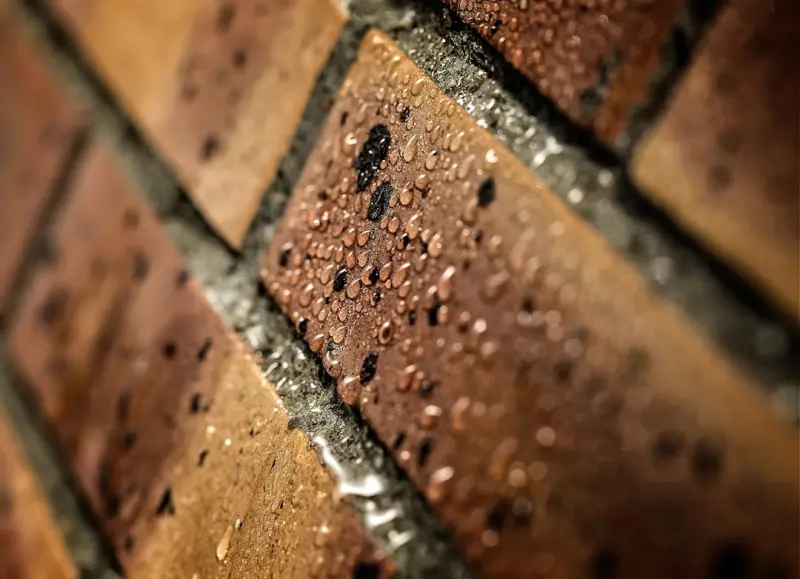
Why Waterproofing Needs a Tech‑Forward Makeover
When I first stepped onto a construction site in the Pacific Northwest, the smell of fresh concrete was tinged with a subtle, damp undertone. It wasn’t the rain; it was the quiet seepage through the foundation that reminded me how every building is a battle against water. Traditional waterproofing—tar sheets, rubberized membranes, and a handful of sealants—has done the job for decades, but the climate is changing faster than our coatings can keep up. Today’s architects and facility managers are demanding more than a “dry wall.” They want intelligence, sustainability, and resilience baked into the very skin of their structures.
From Passive Barrier to Active System
Think of waterproofing as the first line of defense in a building’s immune system. In the past, it was a passive barrier: lay it down, hope it stays intact, replace it when it fails. The new paradigm flips that script. We now embed sensors, self‑healing polymers, and renewable energy capture directly into the waterproofing layer. The result? A system that not only stops water but talks to you when something goes wrong.
- IoT‑enabled moisture detectors: tiny, wireless nodes placed at critical junctions (basement walls, roof valleys, balcony edges) relay real‑time humidity data to a cloud dashboard.
- Self‑healing membranes: micro‑capsules of restorative polymer burst upon cracking, sealing the breach without human intervention.
- Energy‑harvesting waterproofing: photovoltaic pigments woven into the membrane generate micro‑power to keep sensors alive.
This triad of technology transforms waterproofing from a maintenance headache into a proactive, sustainable asset.
Climate‑Resilient Design Starts with the Envelope
Extreme weather events are no longer outliers. Flooding, hurricanes, and even prolonged humidity spikes are becoming the norm in many regions. The envelope—roof, walls, and below‑grade slabs—must be engineered to handle not just occasional rain, but sustained water pressure. A smart envelope uses data analytics to predict stress points before water even arrives.
For instance, by integrating smart insulation technologies that monitor thermal gradients, we can infer where condensation is likely to form. Those insights feed directly into the waterproofing management platform, prompting pre‑emptive dehumidification or targeted sealant reinforcement.
The Science Behind Self‑Healing Membranes
Self‑healing waterproofing isn’t sci‑fi; it’s a material science breakthrough that leverages micro‑encapsulation. Imagine a traditional rubber membrane infused with millions of microscopic glass beads, each containing a liquid polymer. When a crack propagates, the beads rupture, releasing the polymer which then cross‑links under ambient temperature, sealing the fissure within minutes.
Key benefits include:
- Reduced lifecycle costs: fewer emergency repairs and less downtime.
- Extended service life: membranes can effectively “renew” themselves, pushing replacement intervals from 10 years to 25‑plus years.
- Environmental impact: lower material waste translates to a smaller carbon footprint.
Coupling these membranes with real‑time monitoring creates a feedback loop: the system knows when a self‑heal event occurs, logs it, and can even predict future failure zones based on frequency of incidents.
Powering Sensors with the Very Water They Guard
One of the most elegant aspects of next‑gen waterproofing is the ability to harvest energy from the environment it protects. Emerging photovoltaic additives—tiny, semi‑transparent solar particles—can be blended into the membrane’s polymer matrix. When exposed to sunlight, even the diffuse light on a balcony can generate enough milliwatts to power low‑energy moisture sensors.
This approach eliminates the need for battery replacements, a notorious pain point for building managers. It also aligns waterproofing with broader sustainability goals, turning a protective layer into a mini‑solar panel.
Integrating with Building Automation Systems (BAS)
Modern facilities already rely on sophisticated Building Automation Systems to manage HVAC, lighting, and security. Adding waterproofing data to this ecosystem creates a holistic view of building health. Imagine a dashboard where a spike in basement humidity triggers a cascade:
- The BAS raises the dehumidifier setpoint.
- Maintenance receives an instant alert with precise location coordinates.
- Predictive analytics schedule a site visit only if the humidity trend persists beyond a set threshold.
Such integration reduces false alarms and ensures that the building’s “wet” and “dry” subsystems work in harmony.
Case Study: Retrofitting an Urban Office Tower
One of our recent projects involved a 20‑story office building in a city prone to heavy spring rains. The original waterproofing, installed in the 1990s, was a conventional bitumen sheet. The owners faced recurring leaks in the lobby and underground parking.
Our solution layered a self‑healing polymer membrane over the existing barrier, embedded wireless moisture sensors at each floor’s perimeter, and linked the data stream to the building’s existing BAS. Within three months, leak incidents dropped by 87%. Moreover, the predictive maintenance schedule saved the client an estimated $120,000 in emergency repairs annually.
Design Considerations for New Construction
When planning a new build, consider waterproofing as an integral design element rather than an afterthought. Here are three design checkpoints:
- Material Compatibility: Ensure that your chosen waterproofing system works with adjacent finishes (e.g., flooring, tile, exterior cladding). Incompatible adhesives can create micro‑gaps that compromise the seal.
- Sensor Placement Strategy: Map high‑risk zones—window wells, roof penetrations, slab‑on‑grade joints—and allocate sensors accordingly. Over‑sensoring can be costly; strategic placement maximizes ROI.
- Future‑Proofing Infrastructure: Run conduit pathways and power rails during construction to accommodate future upgrades, such as additional sensors or more advanced analytics modules.
Cost vs. Value: Debunking the “Expensive” Myth
It’s tempting to label smart waterproofing as a premium expense. However, when you factor in the total cost of ownership, the picture changes. Traditional waterproofing often incurs hidden costs:
- Unplanned downtime during leak repairs.
- Damage to inventory, equipment, or finishes.
- Insurance premium hikes due to elevated risk profiles.
By contrast, a connected waterproofing system can:
- Reduce emergency repair costs by up to 70%.
- Extend membrane life, delaying full replacement cycles.
- Provide data that can be leveraged for insurance discounts.
The initial investment pays for itself within a few years, especially for high‑value assets like data centers, laboratories, and retail complexes.
Beyond Buildings: Waterproofing for Infrastructure
While we often focus on walls and roofs, the same principles apply to bridges, tunnels, and even smart city sidewalks. Embedding sensors in high‑traffic flooring can alert municipal crews to water ingress that could lead to structural weakening. In this way, waterproofing becomes a civic‑level resilience tool.
Regulatory Landscape and Incentives
Many municipalities are updating building codes to require more robust moisture management, especially in flood‑prone zones. Incentive programs are emerging that offer tax credits for integrating renewable energy and IoT components into building envelopes. Keeping abreast of these regulations can unlock additional funding for smart waterproofing upgrades.
Looking Ahead: The Role of AI
Artificial intelligence is the next logical step. By feeding sensor data into machine‑learning models, we can predict not only when a leak will happen but also the exact location and severity. AI can also recommend optimal maintenance windows, balancing weather forecasts and building occupancy schedules.
In the near future, a building could automatically order a drone‑delivered repair kit the moment a sensor detects a breach, guiding the onsite technician with augmented‑reality overlays. The line between “maintenance” and “autonomous self‑care” is rapidly blurring.
Takeaway: Waterproofing as a Strategic Asset
Waterproofing is no longer a line‑item expense; it’s a strategic asset that safeguards capital, enhances occupant comfort, and contributes to sustainability goals. By embracing sensors, self‑healing materials, and energy harvesting, you turn a simple seal into a living, adaptive system.
If you’re planning a renovation, consider a strategic checklist that places waterproofing at the top of your priorities. If you’re designing from scratch, make the envelope a collaborative platform where architecture, engineering, and data science converge.
In the end, the most resilient buildings are those that anticipate water’s persistence and respond with intelligence. Let’s waterproof the future—one smart membrane at a time.

William Roy is a freelance writer originally from Montreal who moved to Ottawa with his wife of 50 years to be closer to their grandkids. Alongside his writing, William has a passion for fishing.
Related Posts
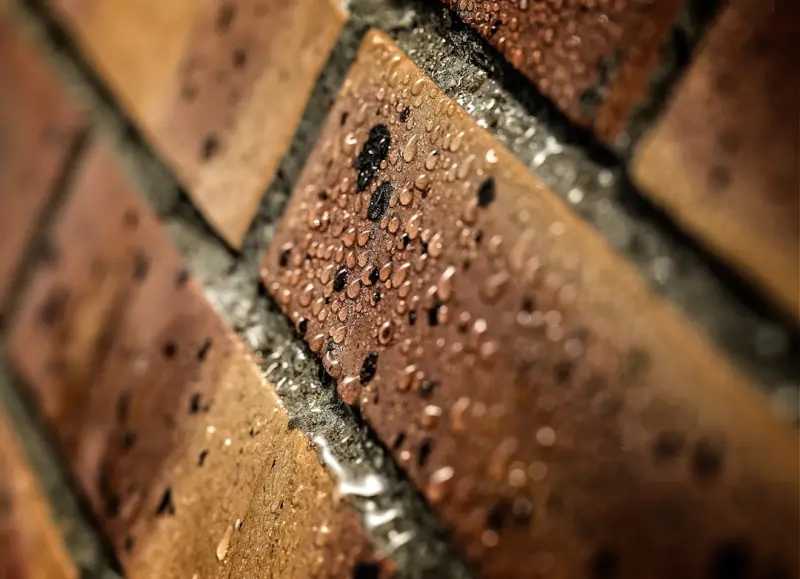
The Silent Revenue Engine: How Strategic Waterproofing Fuels Commercial Success
A deep dive into why waterproofing should be treated as a strategic asset, exploring ROI, sensor int... Read More

The Hidden Life of Moisture: Data‑Driven Waterproofing for Future‑Proof Buildings
A deep dive into active waterproofing systems that use real‑time moisture data, AI predictions, an... Read More
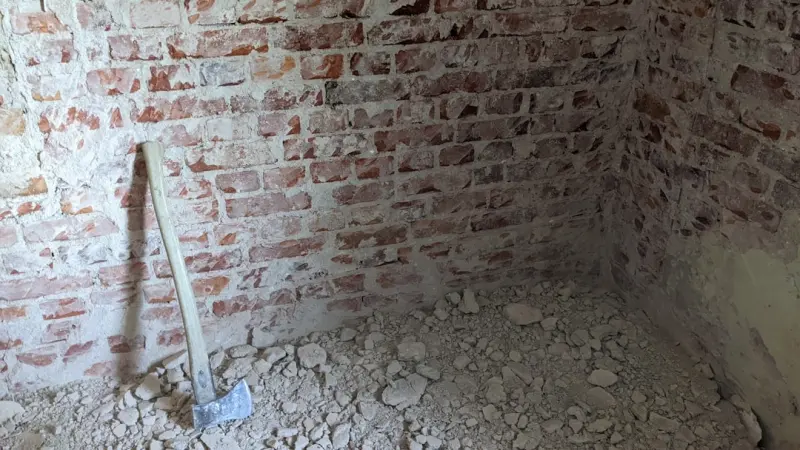
Reviving Old Walls: Modern Waterproofing Tactics for Historic Homes
Learn how breathable membranes, nanotech coatings, and smart maintenance keep historic homes dry, he... Read More
Top Posts

Future‑Ready Garage Design: From Car Shelter to Multi‑Use Hub
Learn how to turn a traditional garage into a versatile, energy‑efficient hub that supports cars, workshops, home offices, and even autonomous vehicle tech....Read More

Seasonal Tree Care: Turning Canopies into Strategic Assets
A detailed, seasonal checklist shows property managers how to transform tree maintenance from a reactive expense into a strategic asset that lowers energy costs...Read More

Nurturing the Soil Microbiome: A New Frontier for Lush Lawns
A deep dive into the hidden world beneath your grass reveals the soil microbiome as the key to a healthier, greener lawn. Learn practical steps, tech tools, and...Read More
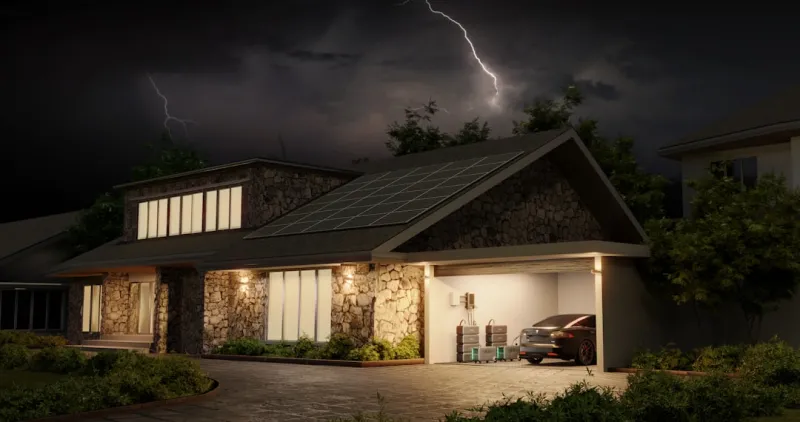
Embracing Sustainable Home Security: The Future of Alarm Systems
Sustainable home alarm systems are revolutionizing home security, providing eco-friendly and energy-efficient solutions for homeowners. Learn how to create a se...Read More
0 Comments
Post Comment
You will need to Login or Register to comment on this post!