
Why a Modular Kitchen Lab Is the Next Big Renovation Trend
When I first started re‑imagining my own cooking space, I realized the traditional layout was holding me back—fixed islands, static countertops, and a single workflow that never adapted to my evolving culinary experiments. Flexibility becomes the heart of a kitchen that feels like a laboratory, allowing you to swap stations, test new appliances, and reconfigure the room as your skills grow. By treating the kitchen as a modular system, you not only future‑proof the space but also inject a sense of excitement that makes every meal feel like a new discovery.
Designing the Core Island: A Movable Hub of Function
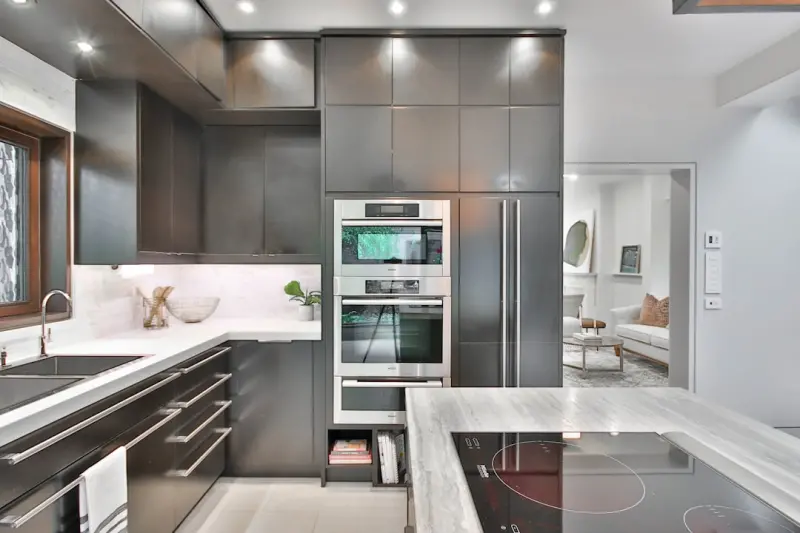
The island is the beating pulse of any modern kitchen lab, so I opted for a rolling base with heavy‑duty casters that lock securely, paired with a countertop that can be lifted or lowered to match different tasks. I chose a thin, yet durable veneer that mimics the look of marble without the weight, which means the island can be moved with a few friends and repositioned for a dinner party or a cooking class. This approach mirrors the design‑build workflow that blends planning and execution, ensuring the island remains both functional and aesthetically cohesive.
Plug‑and‑Play Appliances: Power at Your Fingertips
To keep the space adaptable, I installed a series of recessed power modules and universal gas hookups beneath the island, allowing appliances to be plugged in or connected in seconds. The beauty of this system is that a high‑end induction cooktop, a sous‑vide immersion circulator, or even a portable pizza oven can be swapped without rewiring or major demolition. By integrating smart outlets with surge protection, I guarantee safety while giving the kitchen the freedom to host any culinary experiment, from slow‑cooked stews to rapid stir‑fry sessions.
Smart Storage Solutions That Evolve With You
Traditional cabinets quickly become a cluttered nightmare, so I replaced them with sliding drawer banks and magnetic wall panels that hold tools, spices, and gadgets in plain sight. Each drawer is labeled with a QR code that links to a digital inventory, letting you track what you have and what you need without rummaging through darkness. This dynamic storage system mirrors the fluid nature of a lab, where every instrument has a designated spot, yet can be relocated when a new project demands a different configuration.
Future‑Proofing Materials: Beauty That Bends With Time
Choosing materials that can endure frequent moves and heavy use is essential; I selected a high‑impact, semi‑gloss finish for the island’s surface that resists scratches, heat, and spills while still offering a sleek, modern look. For the surrounding walls, I installed removable, washable panels made from recycled composite that can be swapped out when color trends shift or when you simply crave a fresh backdrop. These selections ensure the kitchen retains its visual appeal and functional integrity, even as you continuously re‑arrange the layout.
Budget‑Friendly DIY Moves to Keep Costs Low
Renovating a kitchen doesn’t have to drain your savings; many of the modular components I used are sourced from reclaimed furniture and surplus industrial hardware, which I repurposed with a bit of sanding and paint. For example, the casters on the island came from an old office cart, and the power modules were salvaged from a decommissioned workshop, providing sturdy, affordable solutions. By following the principles of DIY home repairs, you can personalize each element while keeping the project financially sustainable.
Collaborating With Contractors: Communicating the Vision
Even the most meticulous DIYer benefits from professional input, especially when it comes to structural modifications and electrical work; I consulted a licensed contractor early on to ensure the floor could support the mobile island’s weight and that the new power circuits met code. Clear communication of the modular concept helped the crew understand that flexibility was the priority, allowing them to suggest hidden brackets and recessed channels that would later simplify the re‑configuration process. This partnership turned what could have been a rigid renovation into a collaborative creation of a truly adaptable space.
Maintaining the Lab: Routine Checks and Upgrades
Just like any scientific environment, a kitchen lab thrives on regular maintenance; I schedule monthly inspections of the casters, power outlets, and surface finish to catch wear before it becomes a problem. When new cooking technology emerges—think smart ovens or Bluetooth‑enabled mixers—I simply add the appropriate adapters to the island’s power hub, ensuring the space evolves alongside your culinary curiosity. This ongoing care keeps the kitchen fresh, functional, and ready for whatever gastronomic adventure you decide to embark upon next.
Conclusion: Your Kitchen, Your Laboratory, Your Playground
Transforming a conventional kitchen into a modular cooking lab is more than a design trend; it’s an invitation to experiment, learn, and grow as a home chef. By focusing on mobility, smart power, adaptable storage, and resilient materials, you create a space that responds to your needs today and tomorrow. Embrace the freedom to rearrange, upgrade, and explore—your kitchen will thank you with endless inspiration and the delicious results of your culinary pursuits.

Tom Ferguson is a Canadian freelance writer with a passion for storytelling, current events, and thoughtful commentary. Drawing on years of writing experience, he shares engaging insights on a wide range of topics, bringing a uniquely Canadian perspective to his work.
Related Posts

Designing a Dual‑Purpose Kitchen for Cooking and Remote Work
Explore how to turn your kitchen into a dual‑purpose hub that blends culinary creativity with a pr... Read More
Designing a Kitchen That Grows With Your Life
Learn to design a kitchen that evolves with your family, blending adaptive zones, smart storage, and... Read More
Designing a Kitchen That Works: Flow, Function, and Future‑Proofing
I share the behind‑the‑scenes decisions that turned a cramped cooking space into a seamless, fut... Read More
Top Posts

From Reactive to Revenue: Reimagining Property Maintenance
This post shows how property managers can shift from reactive repairs to a strategic, data‑driven maintenance model that delights tenants, cuts costs, and cre...Read More

The Art of Furniture Restoration: A Sustainable Approach to Revitalizing Your Home
Furniture restoration is a sustainable way to reduce waste, conserve resources, and create one-of-a-kind pieces for your home. Learn how to get started with DIY...Read More

Beyond the Surface: How Bathtub Refinishing Drives Tenant Retention and Bottom‑Line Gains
A fresh bathtub isn’t just a cosmetic upgrade; it’s a strategic tool that improves tenant satisfaction, cuts maintenance costs, and extends asset life, deli...Read More

From Reactive to Relational: Turning Property Maintenance into a Tenant‑Centric Experience
Discover a step‑by‑step framework to shift from reactive repairs to relational maintenance, turning every work order into a trust‑building opportunity tha...Read More
0 Comments
Post Comment
You will need to Login or Register to comment on this post!