
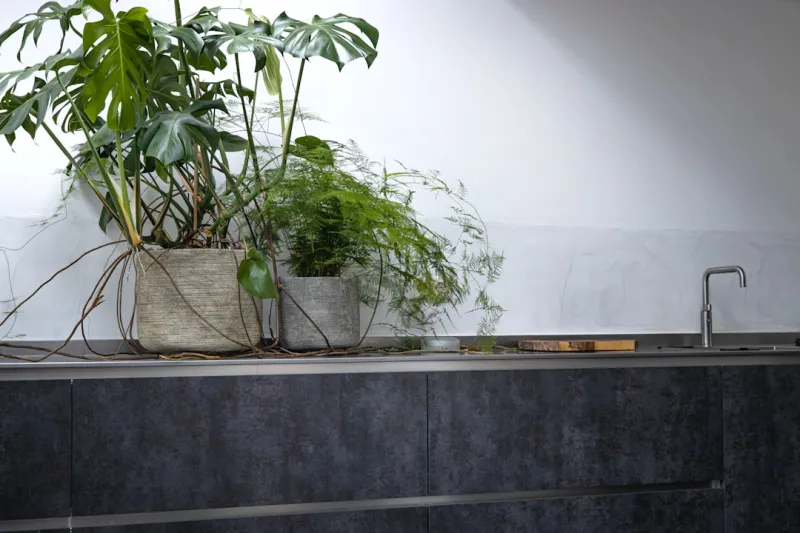
Sustainable Kitchen Renovations: A Guide to Eco-Friendly Cooking Spaces
As a seasoned handyman and advocate for sustainable living, I've seen firsthand the impact that a well-designed kitchen can have on both the environment and a homeowner's quality of life. When it comes to kitchen renovations, it's easy to get caught up in the excitement of new appliances and sleek countertops. However, it's essential to consider the long-term effects of our design choices on the planet. In this article, I'll share my expertise on sustainable kitchen renovations, highlighting eco-friendly materials, energy-efficient appliances, and innovative design strategies that can help reduce your kitchen's carbon footprint.
The Importance of Sustainable Kitchen Design
Sustainable kitchen design is about more than just using eco-friendly materials; it's about creating a space that promotes healthy living, reduces waste, and conserves natural resources. A well-designed kitchen can help minimize food waste, reduce energy consumption, and even improve indoor air quality. By incorporating sustainable design principles into your kitchen renovation, you can create a cooking space that's not only beautiful but also environmentally responsible. For instance, consider using recycled materials for your kitchen countertops, such as recycled glass or reclaimed wood.
Eco-Friendly Materials for Kitchen Renovations
When it comes to selecting materials for your kitchen renovation, there are numerous eco-friendly options to choose from. Consider using sustainably sourced hardwood for your cabinets, or opt for low-VOC paints to minimize indoor air pollution. You can also explore alternative materials like bamboo or cork for your flooring, which are both durable and eco-friendly. Additionally, look for materials with low embodied energy, such as recycled glass countertops or locally sourced stone.
Energy-Efficient Appliances for a Sustainable Kitchen
One of the most significant contributors to a kitchen's carbon footprint is energy consumption. By choosing energy-efficient appliances, you can significantly reduce your kitchen's energy usage. Look for appliances with the ENERGY STAR label, which indicates that they meet energy efficiency standards set by the U.S. Environmental Protection Agency. Some examples of energy-efficient appliances include induction cooktops, microwaves, and Energy Star-rated refrigerators. For instance, consider replacing your old refrigerator with a new Energy Star-rated model, which can help reduce your energy consumption by up to 30%.
Water Conservation in the Kitchen
Water conservation is another critical aspect of sustainable kitchen design. By installing low-flow faucets and dishwashers, you can significantly reduce your kitchen's water usage. Consider installing a greywater recycling system, which can help reuse water from sinks, showers, and washing machines for irrigation and flushing toilets. This can help reduce your water consumption by up to 50%. Additionally, look for water-efficient appliances, such as dishwashers with water sensors that detect the optimal water level for each load.
Innovative Design Strategies for Sustainable Kitchens
In addition to selecting eco-friendly materials and energy-efficient appliances, there are several innovative design strategies that can help create a sustainable kitchen. Consider incorporating natural light into your design by installing skylights or larger windows. This can help reduce the need for artificial lighting and create a more welcoming atmosphere. You can also explore open shelving and multifunctional design to minimize waste and optimize storage. For instance, consider using a kitchen island with built-in storage and a pull-out recycling bin to encourage recycling and reduce waste.
The Benefits of Sustainable Kitchen Renovations
The benefits of sustainable kitchen renovations extend far beyond the environment. By creating a healthy, eco-friendly cooking space, you can also improve your overall well-being and quality of life. Sustainable kitchen design can help reduce stress, improve air quality, and even increase property value. Moreover, by incorporating sustainable design principles into your kitchen renovation, you can create a space that's not only beautiful but also functional and environmentally responsible. For instance, a sustainable kitchen can help you save money on energy bills and reduce your carbon footprint.
Conclusion
In conclusion, sustainable kitchen renovations offer a unique opportunity to create a cooking space that's both eco-friendly and beautiful. By incorporating sustainable design principles, eco-friendly materials, and energy-efficient appliances, you can reduce your kitchen's carbon footprint and create a healthier, more sustainable living space. Whether you're a seasoned homeowner or a DIY enthusiast, I encourage you to explore the world of sustainable kitchen design and discover the many benefits it has to offer. For more information on sustainable home improvements, check out my previous article on embracing sustainable home improvements.
Final Tips and Recommendations
As you embark on your sustainable kitchen renovation journey, remember to prioritize quality over quantity and functionality over aesthetics. Consider consulting with a sustainable design expert or eco-friendly contractor to ensure that your design meets your needs and minimizes environmental impact. Finally, don't forget to research and explore innovative products and technologies that can help create a more sustainable kitchen. By working together, we can create a more sustainable future, one kitchen renovation at a time.
Additional Resources
For more information on sustainable kitchen design and eco-friendly home improvements, check out the following resources:

Craig Brett is a freelancer with a passion for the outdoors. His love for nature inspires his work, bringing authentic and engaging perspectives to projects related to outdoor activities, adventure, and environmental topics.
Related Posts
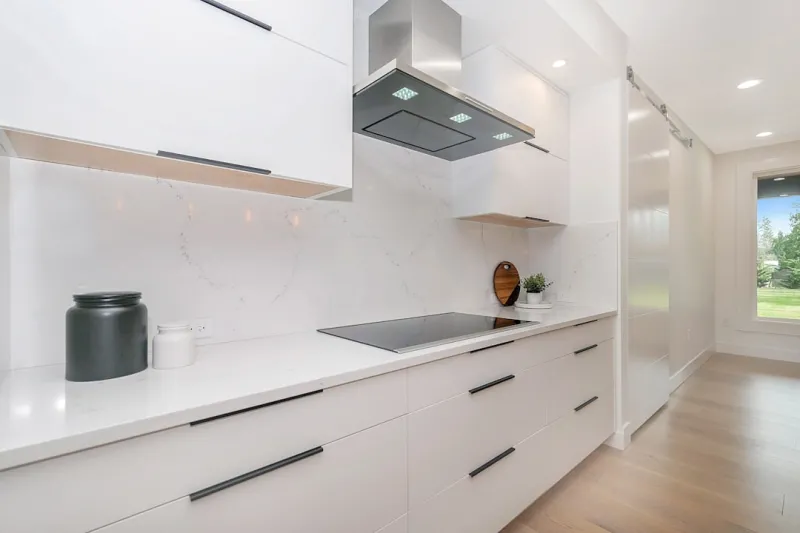
A Sustainable Kitchen Renovation That Feels Like Home
A personal, step‑by‑step guide to a sustainable kitchen remodel, blending reclaimed materials, s... Read More

From Blueprint to Bounty: Crafting a Sustainable Kitchen Renovation That Feels Like Home
Explore a step‑by‑step, sustainable kitchen renovation guide that blends modern design, smart te... Read More
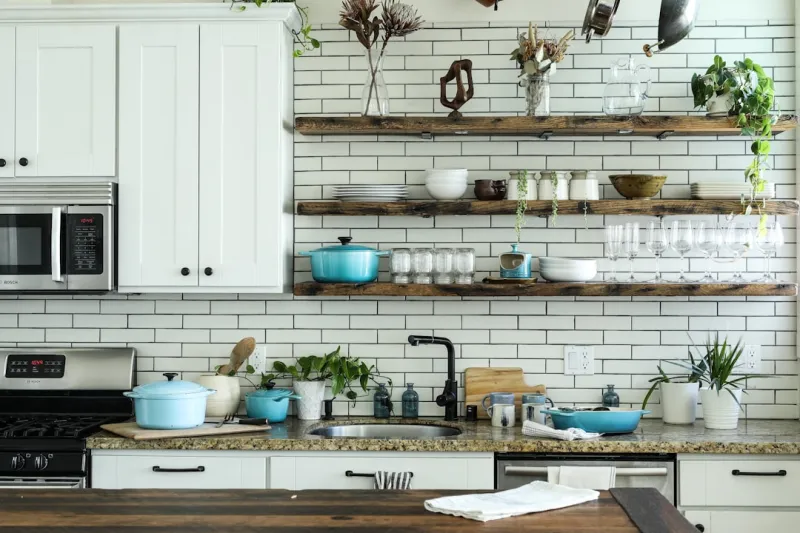
The Ultimate Guide to Kitchen Renovations: Transforming Your Space with Style and Functionality
Kitchen renovations can transform your cooking space into a beautiful and efficient area. Learn how ... Read More
Top Posts

How Real‑Time Energy Audits Are Redefining Facility Management
Real‑time energy audits combine sensor networks, AI analytics, and digital twins to turn traditional spot checks into continuous, actionable insight, deliveri...Read More

Cultivating a Year‑Round Pollinator Paradise in Urban Gardens
Discover step‑by‑step strategies to create a year‑round pollinator garden in tight urban spaces, from plant selection and microclimate design to low‑cos...Read More
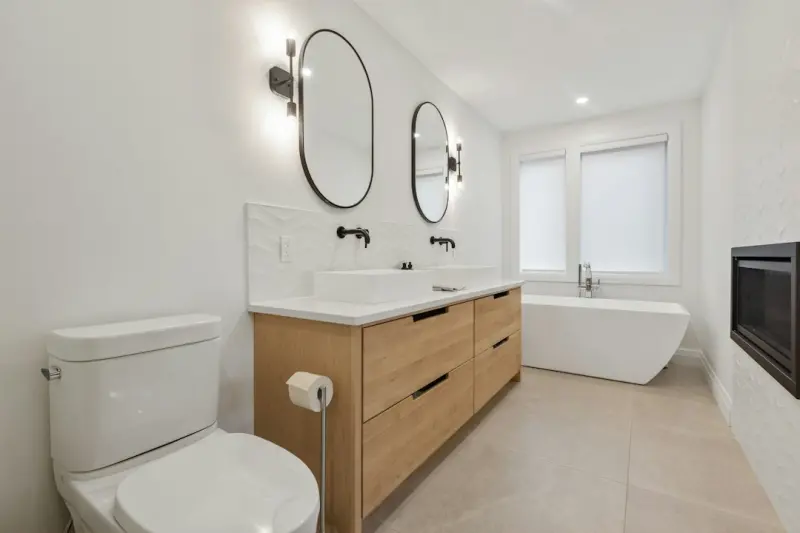
Zero‑Waste Bathroom Renovations: A Practical Guide to Circular Design
Discover a step‑by‑step, zero‑waste approach to bathroom remodels that balances luxury, functionality, and environmental responsibility, using reclaimed m...Read More

Reimagining the Closet: Smart, Sustainable Solutions for Modern Living
Explore innovative closet strategies that blend modular systems, smart tech, and sustainable materials to create a flexible, stress‑free storage space tailore...Read More
0 Comments
Post Comment
You will need to Login or Register to comment on this post!