
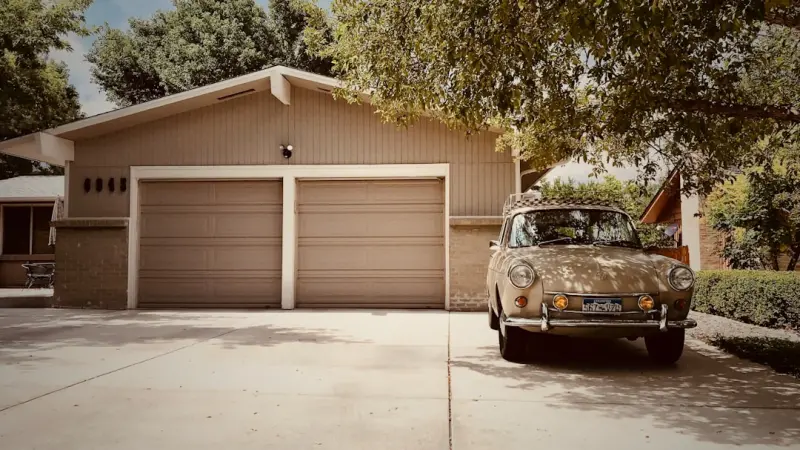
Why Your Garage Door Deserves More Than a Quick Glance
Most homeowners treat the garage door as a functional afterthought, yet it silently dictates the first impression of your property, the efficiency of your heating bill, and the security of everything you store inside. When you choose a door that blends durability with aesthetic nuance, you instantly elevate curb appeal without the need for a full‑front makeover, and you gain a barrier that works as hard in the dead of winter as it does on a summer night. My own experience fixing stubborn doors has taught me that the right choice can turn a clunky, noisy portal into a seamless, whisper‑quiet entry that welcomes you home and says, “I’ve got my act together.”
The Energy Savings Hidden Behind Proper Insulation
Think of your garage door as a giant piece of insulation; a poorly sealed, single‑pane panel can bleed heat faster than an open window on a frosty morning, forcing your furnace to work overtime and inflating utility costs. Upgrading to a high‑R‑value insulated door—whether it’s a steel core wrapped in foam or a composite panel with advanced thermal barriers—can cut heat loss by up to 30 percent, translating into tangible savings that pay for themselves within a few seasons. I’ve walked countless neighborhoods where families finally noticed a dip in their heating bills after swapping out a rattling, draft‑prone door for a modern insulated model, and the relief on their faces was priceless.
Material Matters: Choosing the Right Composition for Your Climate
Every material brings its own personality to the garage entrance, and matching that personality to your local climate is key to long‑term performance. Steel doors boast unparalleled strength and low maintenance, but in coastal regions they demand a corrosion‑resistant coating to fend off salty air, while in arid zones the same coating prevents unsightly rust spots. Wooden doors exude timeless charm and can be stained to complement your home’s palette, yet they require regular sealing to resist warping caused by humidity fluctuations. Composite and aluminum options strike a balance—lightweight, resistant to dents, and often equipped with built‑in insulation—making them ideal for families who want durability without the upkeep of raw timber.
Smart Automation: Turning Your Garage Door Into a Connected Asset
The era of pulling a cord to open your garage is fading fast, replaced by sleek, app‑controlled openers that integrate with voice assistants, smartphones, and even geofencing technology that knows when you’re approaching home. With a few taps, you can schedule opening times, receive alerts if the door stays open too long, and even grant temporary digital keys to trusted neighbors or delivery services. The real magic lies in the safety sensors that halt movement if an object—or a pet—crosses the path, reducing the risk of accidents that once plagued manual doors. I’ve installed these smart systems for clients who love the convenience of seeing their garage status in real time, and they often tell me the peace of mind is worth every penny.
Fortifying Security: Beyond the Simple Lock
While a sturdy lock still has its place, modern garage doors now come equipped with rolling code technology that changes the access code after each use, effectively neutralizing code‑cloning attempts by would‑be burglars. Some high‑end models pair this with biometric scanners or facial recognition cameras, turning the garage into an extension of your home’s overall security ecosystem. Integrating motion‑detected lighting and an audible alarm that syncs with your central security hub creates a layered defense that deters intruders before they even reach the door. In my line of work, I’ve seen homeowners breathe easier after upgrading to these advanced features, especially those who store valuable tools, bicycles, or seasonal gear inside the garage.
Designing for Accessibility: Aging in Place and Low‑Force Solutions
As families evolve, the garage door should adapt to new physical needs, whether it’s a grandparent with limited strength or a homeowner recovering from injury. Low‑force openers require significantly less torque to lift, allowing even a child or senior to operate the door with minimal effort, while still complying with safety standards that prevent sudden drops. Pair this with voice‑activated commands through Alexa or Google Home, and you have a truly inclusive solution that eliminates the need for manual pulling or climbing a ladder to reach a remote. I’ve consulted on several remodels where installing a low‑force system not only enhanced accessibility but also increased the home’s resale value, a win‑win for both comfort and investment.
Maintenance Made Simple: A Checklist That Saves Money
Regular upkeep is the unsung hero that prolongs the life of any garage door, and a disciplined routine can catch wear before it spirals into costly repairs. Start with a visual inspection of the springs, cables, and rollers for signs of fraying or rust, then apply a silicone‑based lubricant to moving parts to keep them humming smoothly. Test the balance by disconnecting the opener and manually moving the door; it should stay in place at any point—if not, the springs likely need professional attention. For a deeper dive into what to look for, consider referencing the home inspector’s hidden checklist, which offers a comprehensive guide that even seasoned DIYers find invaluable.
Choosing the Right Pro: Turning Your Garage Door Into a Long‑Term Investment
When it comes time to install or replace a door, the expertise of the installer can be the difference between a flawless finish and a series of headaches down the road. Look for technicians who are certified by the Door & Access Systems Association, carry liability insurance, and can provide a detailed warranty that covers both hardware and labor. Ask for references and, if possible, tour a recent installation to gauge the quality of workmanship, especially the alignment of tracks and the smoothness of operation. In my career, I’ve learned that a reputable professional not only installs a door that meets today’s standards but also future‑proofs it for emerging technologies, ensuring your garage remains a proud, functional centerpiece of your home for years to come.

Craig Brett is a freelancer with a passion for the outdoors. His love for nature inspires his work, bringing authentic and engaging perspectives to projects related to outdoor activities, adventure, and environmental topics.
Related Posts
The Evolution of Garage Doors: How Sustainable Practices Are Changing the Game
The garage door industry is undergoing a significant transformation, driven by a growing demand for ... Read More
The Modern Garage Door: Smart, Sustainable, and Stylish
Explore the latest trends in garage doors—from smart connectivity and eco‑friendly materials to ... Read More

The Evolution of Garage Doors: A Comprehensive Guide to Modern Solutions
Garage doors have undergone significant transformations over the years. Learn about the evolution of... Read More
Top Posts
Weather‑Proof Your Home with Smart, Affordable Upgrades
Learn a layered, data‑driven approach to home weather‑proofing that blends DIY fixes, smart sensors, and adaptive technologies, helping you protect your hom...Read More

Your Ultimate Home Renovation Checklist: From Vision to Reality with Rose DesRochers
Embark on your home renovation journey with confidence using Rose DesRochers' ultimate checklist. Learn how to plan, budget, hire, manage, and complete your pro...Read More

Seeing the Unseen: How Thermal Imaging Elevates Modern Home Inspections
Thermal imaging turns invisible heat patterns into actionable insights, revealing hidden moisture, energy loss, and electrical hazards. Learn how this technolog...Read More
The Evolution of Bathroom Renovations: How Sustainable Practices Are Changing the Game
Learn about the growing trend of sustainable bathroom renovations and how to make your next project more eco-friendly. Discover the benefits of eco-friendly mat...Read More
0 Comments
Post Comment
You will need to Login or Register to comment on this post!