
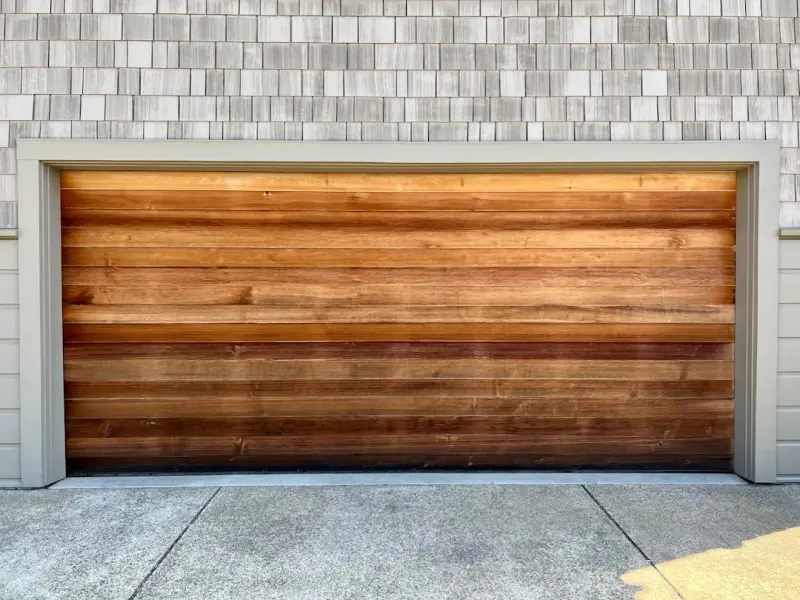
Why the Garage Door Is the Unsung Hero of Your Property’s First Impression
When potential buyers pull up to a house, the first thing they see isn’t the front door, the landscaping, or the mailbox. It’s the garage door. In my 20‑plus years of working on residential upgrades, I’ve watched countless homeowners underestimate its power. A tired, squeaky door can whisper “neglect,” while a sleek, intelligent entry shouts “investment‑ready.” This post dives deep into the psychology, technology, and material science that can turn a simple garage door into a strategic asset.
The Psychology of Curb Appeal: What the Door Says About You
First impressions are formed in under five seconds. A study by the Real Estate Institute of America found that 71% of buyers form an opinion about a home’s maintenance based solely on the garage door’s condition. That’s a staggering statistic because it means a single product can sway an entire transaction.
- Clean Lines, Clean Perception: Modern, minimalist panels convey order and care.
- Color Coordination: Matching the door’s finish to your home’s exterior palette creates visual harmony.
- Hardware Highlights: Polished steel handles or brushed aluminum accents suggest attention to detail.
When you align these visual cues with the broader design language of the house, the garage door becomes a statement piece rather than a functional afterthought.
Smart Integration: From Security to Convenience
Security has always been a selling point, but the era of static locks is over. Today’s garage doors can talk to your smart home ecosystem, delivering real‑time alerts, remote operation, and predictive maintenance insights. This isn’t just about convenience; it’s about creating an integrated defensive layer that works with the rest of your home’s security architecture.
Take, for example, the quiet confidence approach to alarm systems. By pairing a smart garage door with motion sensors, camera feeds, and a central hub, you can receive an instant notification if the door is forced or left ajar. The system can automatically lock the door, turn on exterior lights, and even trigger a voice announcement through your smart speaker.
These capabilities also feed into energy management. When the door opens unexpectedly, the system can adjust HVAC settings to compensate for the temperature loss, preventing costly spikes in utility bills.
Materials Matter: Sustainable Choices That Don’t Compromise Strength
Historically, garage doors were constructed from steel, wood, or aluminum. While steel remains the workhorse for durability, newer materials are challenging the status quo.
- Recycled Steel Panels: Offering the same strength as virgin steel but with a reduced carbon footprint.
- Composite Wood‑Aluminum Hybrids: Deliver the warmth of wood with the low‑maintenance qualities of metal.
- Living Green Doors: Integrating vertical garden panels into the door’s surface. Not just a visual wow‑factor—these panels can improve insulation and capture urban CO₂.
Choosing a sustainable material can also be a marketing point when you list the home. Buyers increasingly ask, “Is this property eco‑friendly?” A sustainable garage upgrade ticks that box and often qualifies for local green‑building incentives.
Data‑Driven Maintenance: Turning a Moving Part into a Predictive Asset
Every garage door is a mechanical system with moving parts: springs, cables, rollers, and motors. Traditionally, maintenance has been reactive—fix what breaks. With modern IoT sensors, you can shift to a predictive model.
Smart sensors can monitor torque on the lifting springs, motor temperature, and the frequency of openings. When an anomaly is detected—say, a 15% increase in motor current—the system alerts you before a failure occurs. This not only prevents a sudden breakdown but also extends the door’s lifespan by up to 30%.
Data collected over years can be anonymized and shared with manufacturers, driving product improvements. Think of it as a crowdsourced R&D lab, where each door contributes to smarter designs.
Future‑Proofing: The Road Ahead for Garage Door Technology
Looking forward, three trends will dominate the garage door market:
- Biometric Access: Fingerprint or facial recognition scanners embedded in the door frame will replace traditional remotes, eliminating the risk of lost keys.
- AI‑Powered Energy Optimization: Machine learning algorithms will analyze opening patterns to suggest optimal insulation upgrades or recommend scheduling large openings during off‑peak energy hours.
- Modular Door Sections: Inspired by modular construction principles, future doors will be composed of interchangeable panels that can be upgraded without a full replacement.
Adopting these innovations early can give your property a competitive edge, especially in markets where tech‑savvy buyers dominate.
Installation Tips From the Field
Even the most advanced door is only as good as its installation. Here’s a quick checklist based on my experience:
- Structural Assessment: Ensure the opening’s framing can support the new door’s weight. Reinforce joists if necessary.
- Leveling: Use a laser level to guarantee the tracks are perfectly horizontal; misalignment leads to premature wear.
- Weather Stripping: Install high‑quality seals to prevent drafts, water intrusion, and pest entry.
- Wiring Standards: Follow NEC guidelines for low‑voltage smart door wiring; keep cables in conduit for protection.
- Testing Protocol: Run the door through at least 30 cycles, checking for smooth operation, noise levels, and sensor responsiveness.
These steps may add a few hours to the project, but they save countless headaches later on.
Cost vs. Value: Calculating ROI on a Premium Garage Door
Homeowners often balk at the price tag of a high‑end, smart garage door. However, the ROI can be broken down into three categories:
| Category | Typical Impact |
|---|---|
| Energy Savings | 5‑10% reduction in heating/cooling costs |
| Security Premium | Potential increase in resale value by 2‑4% |
| Maintenance Reduction | Up to 30% fewer repair calls over 10 years |
When you add the intangible benefit of “first‑impression wow,” the numbers start to make sense for most mid‑range homes.
Conclusion: Elevate the Unseen Hero
The garage door sits at the intersection of aesthetics, security, sustainability, and technology. By treating it as a strategic asset rather than a mere utility, you can boost curb appeal, lower operating costs, and future‑proof your property. Whether you opt for recycled steel, integrate biometric locks, or harness AI for maintenance, the right door can be the linchpin that turns a good house into a great investment.

Craig Brett is a freelancer with a passion for the outdoors. His love for nature inspires his work, bringing authentic and engaging perspectives to projects related to outdoor activities, adventure, and environmental topics.
Related Posts

The Garage Door Revolution: Sustainable Upgrades That Pay Off
Explore why garage doors matter for sustainability, the best eco‑friendly materials, smart automat... Read More

Modular Garage Doors: Turning Overhead Openings into Adaptive Assets
Discover why modular garage doors are the strategic upgrade facilities need—offering interchangeab... Read More

Unlocking the Hidden Power of Insulated Garage Doors
Learn to upgrade your garage door with insulation, weatherstripping, and smart monitoring for better... Read More
Top Posts

The Ultimate Guide to Foundation Repair: A Comprehensive Overview
Foundation repair is crucial for maintaining the stability and longevity of your home. Learn about common causes of foundation damage, signs of foundation probl...Read More

Handyman Hacks: Sustainable Fixes That Save Money and the Planet
Learn how a modern handyman can blend classic repairs with sustainable upgrades—saving money, energy, and the environment in everyday home projects....Read More

AI‑Powered Command Centers: The New Backbone of General Contracting
General contractors can overcome labor gaps and schedule overruns by adopting AI‑powered command centers that provide real‑time tracking, predictive resourc...Read More

The Future‑Ready Garden: Blending Nature and Smart Tech for Everyday Bliss
A tech‑enhanced garden goes beyond gadgets, offering intelligent watering, responsive solar lighting, and vertical planting to create a sustainable, low‑mai...Read More
0 Comments
Post Comment
You will need to Login or Register to comment on this post!