
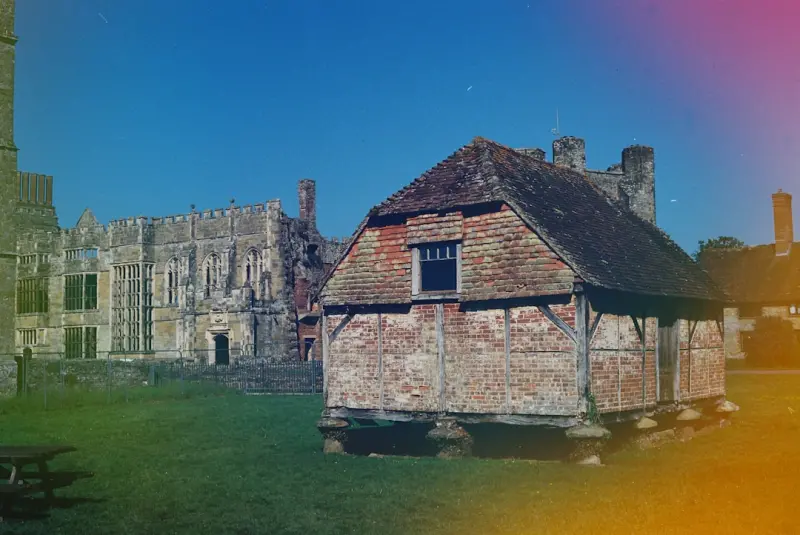
Why Historic Buildings Deserve a Warm Upgrade
When you walk through an old townhouse, a cathedral, or a centuries‑old factory converted into lofts, the charm is often in the exposed brick, the original wood beams, and the patina of time. Yet those same features can be the source of discomfort during the colder months. Traditional heating methods—radiators, forced‑air ducts, or space heaters—often clash with the aesthetic and can even damage delicate materials. This is where underfloor heating steps in as a silent, invisible ally. By delivering gentle, evenly distributed warmth from the ground up, it preserves the visual integrity of historic interiors while providing the comfort modern occupants expect.
Understanding the Technical Canvas
Underfloor heating isn’t a monolithic technology. There are two primary families: hydronic (water‑based) loops and electric cable mats. Hydronic systems circulate warm water through a network of thin‑walled tubing, while electric systems use resistive heating elements embedded in a thin substrate. For historic structures, the choice hinges on three factors—structural capacity, installation invasiveness, and long‑term energy strategy. Many heritage buildings have load‑bearing floors that can’t support the weight of a full hydronic slab without reinforcement. In those cases, low‑profile electric mats, often less than a centimeter thick, become the preferred solution because they can be laid directly over existing subfloors with minimal disturbance.
Preserving Architectural Integrity
The biggest fear among preservationists is that retrofitting will compromise original materials. To address this, installers now employ dry‑install techniques that avoid pouring concrete or screeding over historic flooring. Instead, a thin insulating layer—often a high‑R board—is placed first to reduce heat loss downward, followed by the heating element, and then a finish layer such as reclaimed hardwood, stone tiles, or even original parquet that has been carefully lifted, cleaned, and re‑installed. This method maintains the visual authenticity while integrating a modern comfort system beneath.
Energy Performance Meets Conservation
Underfloor heating operates at lower water temperatures (or lower voltage for electric) than traditional radiators. This means the system can be paired with renewable energy sources—solar thermal panels, ground‑source heat pumps, or even district‑level waste‑heat loops—without over‑taxing the supply. For historic properties aiming for net‑zero certifications, the synergy is powerful. A well‑designed floor heating layout can cut heating energy consumption by 30‑40% compared with older forced‑air setups, while the reduced airflow eliminates dust circulation, preserving fragile interiors.
Case Study: A 19th‑Century Brick Rowhouse
Consider a rowhouse built in the late 1800s, featuring original brick walls, lime‑based plaster, and wide‑plank pine floors. The owners wanted a reliable heat source that wouldn’t require bulky radiators or unsightly ductwork. The solution: a low‑profile electric underfloor system installed over a reclaimed pine subfloor, then covered with salvaged reclaimed wood planks that matched the original width and grain. The installation required only a small 2‑inch clearance, preserving the historic floor joist heights. Post‑installation, indoor temperatures rose uniformly, and the homeowner reported a noticeable reduction in drafts—something radiators never achieved.
Integrating Smart Controls for Heritage Sensitivity
Modern floor heating isn’t just about warmth; it’s about intelligent, responsive control. Smart thermostats that learn occupancy patterns can lower setpoints during unoccupied periods, preserving both energy and the delicate balance of historic materials that can be sensitive to temperature fluctuations. Zone‑based control—where each room or even each floor area can be programmed independently—allows owners to respect the original usage of spaces. For instance, a historic library wing can stay cooler to protect old books while the living area remains comfortably warm.
Overcoming Common Challenges
- Moisture Management: Historic buildings often have high moisture walls. Installing a moisture barrier beneath the heating element prevents condensation and protects timber joists.
- Floor Load Limits: When weight is a concern, electric mats are preferable because they add negligible mass compared to wet‑screed hydronic systems.
- Electrical Capacity: Older properties may lack sufficient circuit capacity. Upgrading the electrical panel is an investment that pays off through the efficiency of low‑voltage heating.
- Regulatory Hurdles: Preservation districts sometimes require approvals. Presenting a detailed plan that emphasizes minimal intrusion and reversible installation can ease the process.
Designing for Future Flexibility
One of the subtle advantages of underfloor heating in heritage projects is its inherent flexibility. Because the heat source is embedded beneath the floor, future interior redesigns—whether adding new flooring types or reconfiguring rooms—don’t require re‑working the heating system. This aligns with the principle of adaptive reuse, allowing owners to evolve the function of a historic space without compromising the heating infrastructure.
Synergy with Other Sustainable Upgrades
Floor heating works hand‑in‑hand with other upgrades that often accompany historic retrofits. For example, pairing it with modern paint strategies for energy savings maximizes thermal performance; light‑reflective, low‑VOC paints reduce heat absorption by walls, allowing the floor system to operate more efficiently. Likewise, thoughtful window restoration—using double‑glazed historic‑style sashes—minimizes heat loss, further enhancing the comfort delivered by the floor heating.
Economic Considerations and ROI
While the upfront cost of a careful historic retrofit can be higher than installing a conventional system, the long‑term savings are compelling. Lower energy bills, reduced maintenance (no moving parts like boilers or fans), and the added market value of a comfortably modernized historic property all contribute to a favorable return on investment. Moreover, owners may qualify for historic preservation tax credits, which can offset a portion of the installation costs.
Getting Started: A Step‑by‑Step Blueprint
- Assessment: Engage a heritage consultant and a qualified HVAC engineer to evaluate structural limits and identify suitable heating technology.
- Design: Draft a floor‑plan that maps heating zones, taking into account room usage and historic features that should remain untouched.
- Material Selection: Choose low‑profile electric mats or slim‑profile hydronic pipes designed for retrofit scenarios.
- Installation: Follow a reversible installation method—install heating elements, then a thin insulation board, and finally the reclaimed floor finish.
- Control Integration: Install smart thermostats with zoning capabilities, calibrating setpoints to protect sensitive materials.
- Commissioning: Conduct a thorough performance test, checking temperature uniformity and ensuring no moisture issues.
- Documentation: Record the installation process for future maintenance and for any preservation audits.
Future Horizons: Floor Heating in the Age of Digital Twins
Emerging technologies like digital twins—virtual replicas of physical buildings—are beginning to incorporate HVAC performance data. By feeding real‑time temperature and energy consumption metrics from an underfloor system into a digital twin, building managers can simulate how changes in occupancy, weather, or energy tariffs affect both comfort and preservation outcomes. This predictive capability is especially valuable for historic sites that must balance public accessibility with conservation.
Conclusion: Warmth Without Compromise
Historic buildings tell stories; they deserve to be lived in comfortably without losing their narrative voice. Underfloor heating offers a discreet, energy‑efficient, and adaptable solution that respects the past while embracing the future. By choosing the right technology, integrating smart controls, and pairing the system with other sustainable upgrades, owners can transform chilly heritage spaces into warm, inviting environments that honor both heritage and modern comfort.

Paul Gray is a dynamic blogger based in Brampton, where he shares his life with his amazing wife, Sarah. Known for his engaging writing style and relatable insights, Paul has carved out a niche in the blogging world that resonates with readers from all walks of life. When he's not crafting captivating posts, you can find him savoring a cold beer or indulging in the latest blockbuster movie. With a friendly demeanor and a passion for storytelling, Paul brings a unique perspective to his work, making him not just a blogger, but a voice for those who appreciate the simple joys of life.
Related Posts
Warmth as Narrative: Rethinking Floor Heating for Design, Heritage, and Wellness
Floor heating isn’t just about warmth; it’s a subtle design tool that can preserve heritage, imp... Read More

Warm Floors, Smarter Buildings: Leveraging Radiant Heating for Performance and Profit
Radiant floor heating isn’t just a comfort feature—it’s a strategic asset that cuts energy cos... Read More
Warm Floors, Warm Minds: How Modern Radiant Heating Drives Business Performance
Radiant floor heating quietly transforms workspaces by improving comfort, reducing energy use, and s... Read More
Top Posts
Wearables on the Jobsite: Turning Safety Data into Competitive Edge
Wearable tech is reshaping construction safety by delivering real‑time alerts, data‑driven insights, and measurable ROI, empowering contractors to protect w...Read More
The Hidden Power of Your Garage Door: Energy, Acoustics, and Design
A garage door isn’t just a way in—it’s a key factor in a home’s energy efficiency, noise control, and visual appeal. This guide reveals how to upgrade i...Read More

The Rise of Sustainable General Contracting: A New Era for Homeowners
Learn about the rise of sustainable general contracting and its benefits for homeowners. Explore eco-friendly practices and trends in the construction industry ...Read More

When Your Lawn Gets Smarter: How IoT Is Changing Grass Care
A deep dive into the emerging world of smart lawn care, covering sensors, automation, analytics, and practical steps to create a data‑driven, water‑wise, an...Read More
0 Comments
Post Comment
You will need to Login or Register to comment on this post!