
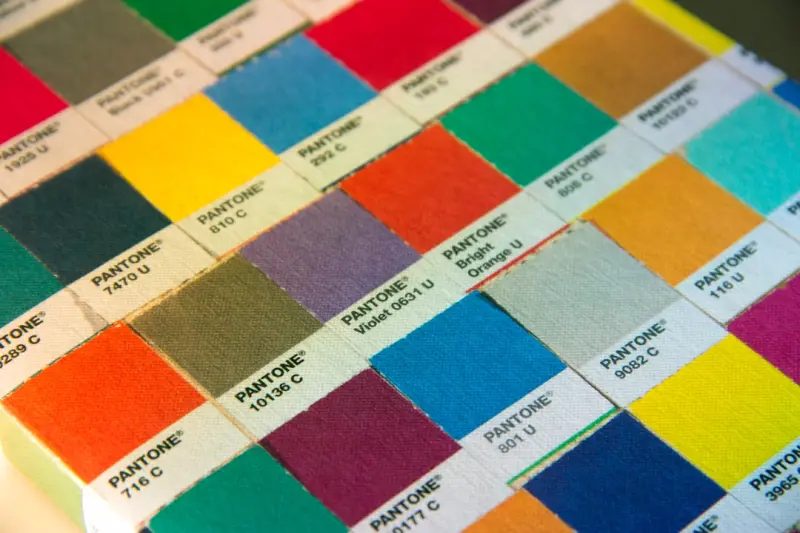
Why Paint Is the Unsung Hero of a High‑Performance Home
When most homeowners think about upgrading their property, the conversation jumps straight to solar panels, insulation, or new appliances. Rarely does anyone pause to consider the walls that surround them every day. Yet the paint you choose can act as a silent partner in energy savings, indoor air quality, and even mental health. In this post I’ll walk you through the emerging science behind paint technology, the environmental credentials that matter, and practical steps you can take to turn a simple brushstroke into a strategic advantage.
The Physics of Color: Light, Heat, and Energy Flow
Every hue reflects and absorbs light differently. Light‑colored surfaces—think soft whites, pastel blues, or muted greys—reflect a larger portion of solar radiation, which keeps interior spaces cooler in the summer. Darker shades, on the other hand, absorb more heat, making them ideal for rooms that benefit from a gentle temperature rise, such as basements or home offices that stay cold during winter evenings.
Modern paint manufacturers have taken this principle a step further by engineering pigments that can selectively reflect infrared wavelengths while preserving visible color fidelity. The result is a coating that looks rich and saturated but does not contribute to heat buildup. Applying such a paint to exterior walls can reduce cooling loads by up to 15 % in hot climates, according to recent field studies.
Eco‑Friendly Paints: Beyond the “Low‑VOC” Label
Volatile organic compounds (VOCs) have long been the villain in the paint world. Traditional solvent‑based paints release VOCs into the indoor environment, contributing to headaches, respiratory irritation, and long‑term health concerns. The industry’s response began with low‑VOC formulations, but today the bar has risen dramatically.
- Zero‑VOC acrylics: These water‑based paints use advanced polymer binders that eliminate harmful emissions without sacrificing durability.
- Bio‑based resins: Derived from plant oils such as soy or linseed, these binders reduce reliance on petroleum while providing comparable coverage.
- Mineral‑based paints: Often called “earth paints,” they consist of natural pigments and lime, offering excellent breathability for older homes that need to let walls “breathe.”
Choosing an eco‑friendly product doesn’t just protect your family’s health—it also aligns with broader sustainability goals. Many of these paints carry certifications from organizations like Green Seal or GREENGUARD, making it easier to verify their environmental claims.
Paint as Passive Energy Management
Passive design is a cornerstone of energy‑efficient architecture, and paint is an overlooked component of that toolkit. By pairing the right color palette with strategic placement, you can create a micro‑climate within each room.
Consider a sun‑flooded living room that receives direct afternoon light. A high‑reflectance, cool‑tone paint on the ceiling and upper walls can bounce light deeper into the space, reducing the need for artificial lighting. Conversely, a home office that stays cool at night can benefit from a warm, slightly darker hue on the lower walls, helping retain heat without cranking the thermostat.
When you combine these choices with other passive measures—such as proper shading, high‑performance windows, and airtight construction—the cumulative savings can be substantial. For a typical single‑family home, the right paint scheme can shave 5–10 % off annual heating and cooling bills.
Color Psychology for Remote Work and Wellness
Working from home is no longer a temporary arrangement; it’s a permanent feature of modern life. The colors you surround yourself with can influence focus, creativity, and stress levels.
- Blue: Encourages calm and concentration, ideal for study rooms or home offices.
- Green: Associated with nature and restoration, making it perfect for spaces where you need to recharge.
- Yellow: Sparks optimism and energy, useful for creative studios or kitchens.
- Soft neutrals: Provide a balanced backdrop that lets furnishings and artwork take center stage without overwhelming the senses.
By selecting a palette that aligns with each room’s primary function, you create an environment that supports productivity and mental well‑being—something that traditional “renovation checklists” often overlook. Speaking of checklists, if you’re already planning a broader home upgrade, the Ultimate Renovation Checklist can help you sequence painting with other trades for a smoother workflow.
Integrating Paint with Smart Home Technology
Smart homes are all about data‑driven comfort. While most of the focus lands on thermostats, lighting, and security, there’s a growing niche for “smart paint” that can change its reflective properties on command. Early prototypes incorporate thermochromic pigments that become more reflective as temperatures rise, automatically reducing heat gain.
Even if you don’t have access to cutting‑edge smart paint, you can still make the technology work for you. Pair a light‑reflective exterior hue with a Wi‑Fi‑enabled thermostat; the system can learn that certain color‑temperature interactions reduce HVAC runtime and adjust set points accordingly. This synergy creates a feedback loop where paint and digital controls complement each other.
DIY Color Forecasting: Leveraging AI and Digital Tools
Choosing the right shade can be intimidating, especially when you’re balancing aesthetic goals with performance metrics. Fortunately, several AI‑powered platforms now analyze photos of your space, recommend colors based on light exposure, and even predict how those colors will affect energy usage.
Here’s a quick workflow:
- Upload a high‑resolution photo of the room, including windows and existing furnishings.
- Set parameters for climate zone, orientation, and desired energy outcome (e.g., “reduce cooling load”).
- Review the algorithm’s top three recommendations, each accompanied by a simulated view of the room after painting.
- Select a paint brand that offers the recommended pigment in an eco‑friendly formulation.
This approach eliminates guesswork and gives you a data‑backed rationale for each purchase, turning what used to be a gut‑feel decision into a strategic one.
Budget‑Friendly Painting Strategies for Maximum ROI
Professional painting can be pricey, but you don’t need to break the bank to reap the benefits. Follow these cost‑effective tactics:
- Prioritize high‑impact areas: Focus on exterior walls, the front entry, and rooms where you spend the most time.
- Use primer strategically: A high‑quality primer can reduce the number of topcoat passes needed, saving both paint and labor.
- Mix and match finishes: Reserve expensive, high‑gloss paints for trim and doors; use matte or eggshell finishes for larger wall expanses.
- Leverage bulk discounts: Many manufacturers offer reduced pricing for larger orders, especially when you choose a single color family for the entire house.
When you combine these savings with the energy and health benefits outlined above, the return on investment can be measured not just in dollars but in comfort and longevity.
Maintenance: Keeping Your Paint Performing Over Time
Even the most advanced coatings need care to maintain their performance. Here are three simple practices that extend lifespan:
- Gentle cleaning: Use a soft microfiber cloth and mild soap to remove dust and pollutants without abrading the surface.
- Spot repairs: Address chips and scratches promptly with a touch‑up kit that matches the original hue. This prevents moisture infiltration that can lead to mold.
- Annual inspection: Walk the exterior perimeter once a year, checking for fading or peeling in high‑sun areas. Early detection lets you reapply a protective topcoat before significant degradation occurs.
If you’re already tackling a larger renovation, the Future‑Proof Home Addition guide contains a chapter on integrating paint plans with structural upgrades, ensuring a cohesive aesthetic and performance outcome.
Putting It All Together: A Paint‑First Mindset
Think of paint not as a decorative afterthought but as the first layer of a performance envelope. By selecting colors that manage heat, choosing low‑ or zero‑VOC products, and aligning hues with the functional purpose of each space, you create a home that feels better, costs less to run, and stays healthier for its occupants.
When you approach painting with the same rigor you apply to HVAC or insulation—research, testing, and strategic execution—you unlock a hidden lever for sustainability and comfort. In a market where homeowners are increasingly savvy about energy bills and indoor air quality, that lever can be a decisive differentiator, whether you’re living in the space yourself or positioning the property for resale.
Ready to turn your walls into an asset? Start by mapping your home’s orientation, choose a palette that reflects your climate and lifestyle, and use the tools and best practices outlined here to bring that vision to life. The brush is in your hand—let it paint a smarter, greener future.

Lifan Chen is a freelancer based in Toronto specializing in marketing. With expertise in crafting effective marketing strategies and campaigns, Lifan helps businesses grow their brand presence and reach target audiences. As a Toronto-based freelancer, Lifan combines local market insights with creative marketing skills to deliver tailored solutions for clients.
Related Posts

The Transformative Power of Home Painting: A Personal Journey
Explore the psychological, eco‑friendly, and resale advantages of painting your home, with insider... Read More
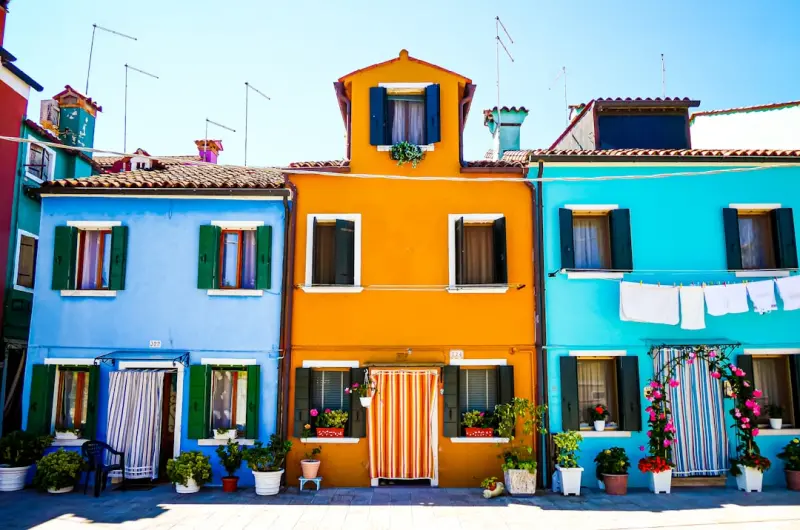
How to Paint Your Home Like a Pro: Color, Finish, and Sustainability
Learn how to choose the right paint colors, finishes, and sustainable options while mastering prepar... Read More

Beyond the Brush: Sustainable Painting Strategies for a Healthier Home
A detailed guide to choosing low‑VOC, responsibly sourced paints, mastering eco‑friendly prep an... Read More
Top Posts
Mastering Modern Waterproofing: Sustainable Solutions for a Dry Home
Explore how modern, sustainable waterproofing methods—from breathable membranes to smart sensors—can protect your home from moisture, improve durability, an...Read More
Bathtub Refinishing: The Smart, Sustainable Upgrade Every Property Manager Needs
Bathtub refinishing offers a cost‑effective, eco‑friendly alternative to full replacements, delivering long‑lasting durability, smart‑home integration, ...Read More

Breathing New Life into Your Home: Sustainable DIY Repair Tips
Learn how to approach DIY home repairs with an eco-friendly mindset and discover sustainable tips and tricks for a greener tomorrow....Read More

Beyond Stains: A Strategic Approach to Carpet Care in Modern Workplaces
Carpet cleaning often falls off the executive radar, yet it directly influences air quality, energy costs, and employee satisfaction. This article outlines a da...Read More
0 Comments
Post Comment
You will need to Login or Register to comment on this post!