
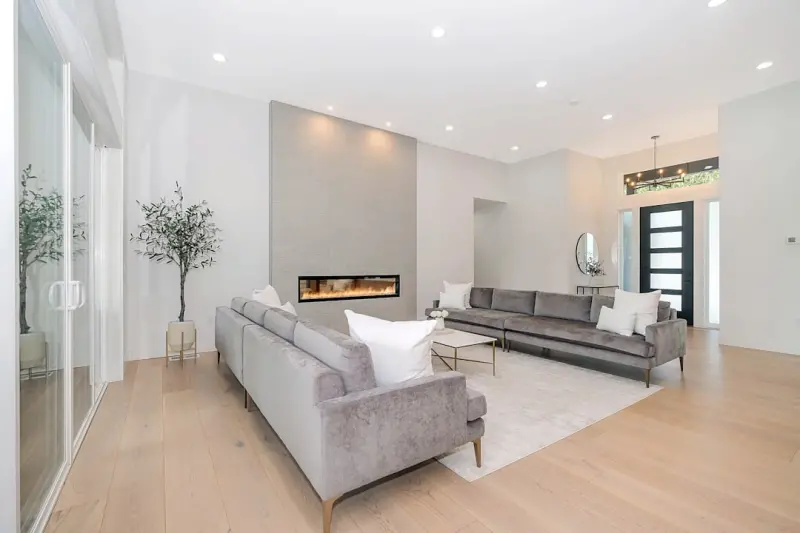
Why Warm Floors Are the Quiet Powerhouse Behind Modern Workspaces
When most facility managers talk about “comfort,” the conversation usually circles around air temperature, lighting levels, or ergonomic furniture. Rarely does the discussion dip into the humble yet transformative world of radiant floor heating. Yet the truth is simple: a consistently warm floor does more than keep toes toasty. It subtly reshapes employee wellbeing, slashes energy spend, and even nudges a company’s sustainability narrative in a direction that resonates with today’s eco‑savvy clients. In this deep dive, I’ll unpack how floor heating, when paired with intelligent control systems, becomes a strategic asset—one that quietly fuels productivity, health, and the bottom line.
The Science of Comfort: From Skin to Spine
Human beings are wired to notice temperature gradients on the skin. A cool floor can trigger a physiological stress response, diverting blood flow to maintain core temperature and increasing muscular tension in the legs and lower back. Over a full workday, that subtle strain accumulates, manifesting as fatigue, reduced focus, and a higher likelihood of musculoskeletal complaints. Radiant floor heating eliminates the cold shock by delivering even, low‑level warmth across the entire surface, allowing the body to stay in a relaxed state without the need for higher ambient air temperatures.
Research from occupational health specialists indicates that workers in heated‑floor environments report up to 15% higher perceived comfort and a measurable dip in reported back pain. When comfort is elevated, attention spans lengthen, and the cognitive “energy budget” can be redirected toward creative problem‑solving rather than basic survival.
Energy Efficiency Meets Bottom‑Line Savings
At first glance, installing a warm‑floor system seems like an upfront expense, but the economics quickly tilt in its favor. Traditional forced‑air HVAC units waste energy by heating air that rises, leaving the floor—often the coldest surface—in a perpetual chill. Radiant heating works from the ground up, using water‑borne or electric heating elements that operate at lower temperatures (typically 85‑110°F / 29‑43°C). Because the heat source runs cooler, energy consumption can drop by 20‑30% compared to conventional systems, especially in buildings with good insulation.
Moreover, when floor heating is integrated with a smart building platform, the system can modulate output based on occupancy sensors, time‑of‑day schedules, and even external weather feeds. This synergy mirrors the benefits highlighted in AI‑powered HVAC zoning, but with a focus on the floor plane, delivering a finer granularity of comfort control.
Synergy with Renewable Energy Sources
Radiant floor heating’s low operating temperature makes it an ideal partner for renewable energy inputs. Solar thermal collectors, geothermal loops, and even waste‑heat recovery systems can feed the hydronic circuits that warm the floor. Companies pursuing LEED certification or similar green building standards find floor heating a low‑effort lever to boost points in the “Energy & Atmosphere” and “Indoor Environmental Quality” categories.
Imagine a commercial office that captures rooftop solar heat during the day, stores it in a thermal buffer, and releases it through the floor network at night. Not only does this reduce reliance on grid electricity, but it also creates a compelling narrative for clients and investors who value tangible sustainability actions.
Health Benefits Beyond Warmth
While the immediate comfort of a heated floor is obvious, the secondary health perks are often underappreciated. Warm floors help maintain a stable indoor humidity level by reducing the need for aggressive heating, which in turn curtails the drying of skin and respiratory passages. For employees with conditions such as arthritis or chronic joint pain, the gentle warmth can ease stiffness, allowing them to stay seated longer without discomfort.
Additionally, a consistent floor temperature can improve indoor air quality. Traditional forced‑air systems circulate dust and allergens, whereas radiant systems operate silently beneath the floor, minimizing airborne particulates. This aligns with the growing corporate emphasis on “wellness‑first” office design, where air quality, ergonomics, and thermal comfort are viewed as interdependent pillars.
Retrofitting Legacy Spaces Without Disruption
Many companies occupy historic or repurposed buildings where a full demolition‑and‑rebuild is not an option. The good news? Modern thin‑profile electric mats or low‑profile water‑borne panels can be installed beneath existing flooring—whether it’s hardwood, tile, or carpet—without compromising structural integrity. This retrofitting agility means that floor heating can be introduced into conference rooms, reception areas, and even open‑plan coworking zones with minimal downtime.
When planning a retrofit, a phased approach works best: start with high‑traffic zones where the ROI is quickest, then expand to peripheral spaces. Pair this rollout with a comprehensive building automation strategy, leveraging the same electrify your workspace framework that centralizes power management, lighting, and HVAC control under a unified dashboard.
Data-Driven Comfort: Turning Floors into Sensors
In the era of IoT, any surface can become a data source. Smart thermostats embedded in floor heating circuits can relay temperature trends, occupancy patterns, and even predictive maintenance alerts. By analyzing this data, facilities teams can identify “cold spots,” anticipate pipe fouling, or detect anomalous energy spikes before they translate into costly bills.
Integrating floor‑level data with broader building analytics creates a feedback loop that refines climate strategies in real time. For instance, if sensor data shows that a particular zone consistently stays within comfort thresholds, the system can lower heating output by a few degrees, saving energy without sacrificing user satisfaction.
Floor Heating as a Brand Differentiator
Beyond the functional benefits, a warm floor can be a subtle but powerful branding tool. Clients stepping into a lobby where the floor feels inviting experience an immediate sense of hospitality. In the hospitality sector, hotels that advertise “radiant‑heated marble floors” often see higher guest satisfaction scores. In corporate environments, a well‑heated breakout area becomes a magnet for informal brainstorming sessions, fostering a culture of collaboration.
When marketing these spaces, tie the narrative to your company’s broader values—sustainability, employee wellbeing, and cutting‑edge technology. A concise case study can illustrate how a floor‑heating upgrade reduced energy costs by 25% while boosting employee satisfaction metrics, turning an operational decision into a compelling story for investors and prospects.
Future‑Proofing: Modular and Scalable Systems
The next wave of floor heating solutions embraces modularity. Prefabricated heating panels can be snapped together, allowing rapid expansion as a company scales its footprint. This modular approach dovetails with the trend toward flexible workspaces, where office layouts evolve to accommodate hybrid work models.
Scalable systems also simplify maintenance. Because each module operates semi‑independently, a failure in one segment doesn’t cripple the entire network. Technicians can isolate and replace a faulty module within hours, preserving comfort levels and minimizing disruption—a critical factor for businesses that can’t afford downtime.
Implementation Checklist: From Vision to Reality
- Assess Energy Baseline: Conduct an energy audit to quantify current heating loads and identify potential savings.
- Choose the Right System: Decide between electric mats (ideal for retrofit) or hydronic loops (better for large‑scale, high‑heat applications).
- Integrate with Building Automation: Ensure the floor heating can communicate with existing BMS platforms for unified control.
- Plan for Data Capture: Deploy temperature and occupancy sensors to enable predictive analytics.
- Pilot in a High‑Impact Zone: Start with a conference room or employee lounge to demonstrate ROI.
- Iterate and Scale: Use pilot data to refine settings before rolling out to the entire facility.
Conclusion: The Warm Floor Advantage Is Quiet, Measurable, and Strategic
Floor heating is often the unsung hero in the quest for comfortable, efficient, and health‑forward workspaces. By delivering consistent, low‑temperature warmth, it reduces energy waste, supports renewable integration, and fosters a healthier indoor environment. When paired with intelligent controls and data analytics, the floor becomes more than a surface—it becomes a strategic layer of the building’s performance architecture.
For forward‑thinking enterprises, the decision to invest in radiant floor heating is less about luxury and more about leveraging an underutilized lever that aligns cost savings, employee wellbeing, and sustainability goals. In a competitive market where every advantage counts, let the floor be the foundation of your next comfort‑driven innovation.

Lifan Chen is a freelancer based in Toronto specializing in marketing. With expertise in crafting effective marketing strategies and campaigns, Lifan helps businesses grow their brand presence and reach target audiences. As a Toronto-based freelancer, Lifan combines local market insights with creative marketing skills to deliver tailored solutions for clients.
Related Posts

Warmth Beneath the Past: Integrating Radiant Floor Heating into Historic Homes
A guide to seamlessly installing radiant floor heating in historic properties, balancing preservatio... Read More

Modular Radiant Floors: Speedy Retrofits for High‑Performance Buildings
A deep dive into modular electric radiant panels shows how they cut installation time, preserve hist... Read More
Radiant Floor Heating: A Cozy, Sustainable Upgrade for Modern Homes
Explore the hidden benefits of radiant floor heating—from energy savings and design freedom to sma... Read More
Top Posts

Beyond Boundaries: Reinventing Facility Fencing
This post explores how contemporary fencing can go beyond simple barriers, integrating smart materials, biophilic design, and modular systems to enhance securit...Read More

Paving the Way: Cool, Permeable and Energy‑Smart Surfaces for Modern Buildings
Traditional pavement hides hidden costs in heat, runoff, and maintenance. This article explores cool‑reflective, permeable, and energy‑generating paving tec...Read More
How Sunrooms Can Supercharge Employee Well‑Being and Reduce Energy Costs
A sunroom isn’t just a bright extra room; it’s a strategic wellness hub that lowers energy use, enhances employee well‑being, and drives measurable ROI fo...Read More
The Importance of Insulation in Sustainable Home Design
Insulation plays a crucial role in sustainable home design, reducing energy consumption and promoting a healthier indoor environment. Learn about the benefits a...Read More
0 Comments
Post Comment
You will need to Login or Register to comment on this post!