
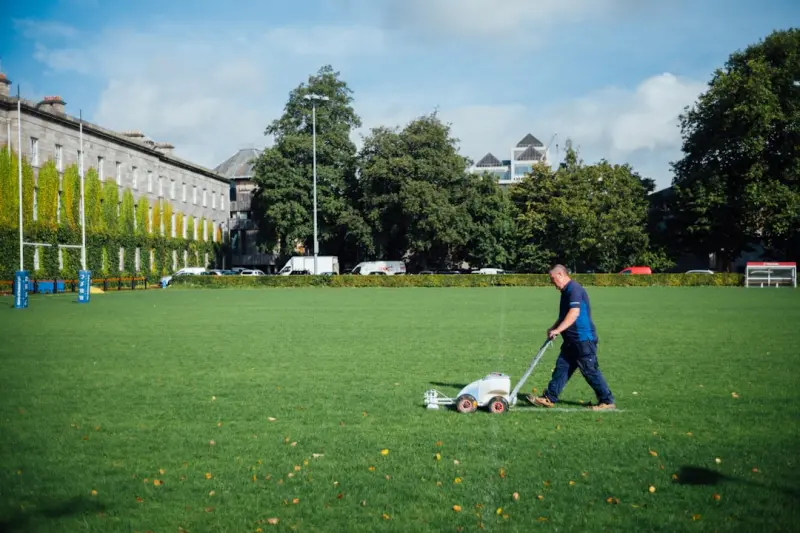
Beyond the Grass: How a Thoughtful Lawn Fuels Employee Well‑Being
When most CEOs talk about “culture,” the conversation usually circles around open‑plan offices, flexible schedules, or snack‑filled break rooms. Rarely does the discussion drift to the patch of green that borders the building’s entrance. Yet that modest lawn, when tended with intention, can become a silent catalyst for morale, creativity, and even the bottom line. In my decade of consulting for corporate campuses, I’ve watched executives underestimate the psychological weight of a well‑kept lawn—and the tangible benefits that follow when they finally give it the respect it deserves.
The Science of Green: Why Grass Matters More Than You Think
Human beings have an innate affinity for natural environments, a phenomenon researchers call biophilia. Even a brief visual exposure to greenery can lower cortisol, the stress hormone, and raise dopamine, the feel‑good neurotransmitter. A study by the University of Michigan found that workers who could see a lawn from their desk reported 12% higher job satisfaction than those without a view of nature. That’s not just a feel‑good statistic; higher satisfaction translates to lower turnover, fewer sick days, and a more engaged workforce.
But it’s not just the view that matters. When employees step onto a freshly mowed lawn for a quick walk, a spontaneous brainstorming session, or a casual lunch, they experience a subtle shift in mindset. The tactile sensation of cool grass underfoot, the faint scent of earth, and the gentle rustle of a breeze create a multisensory pause that resets the brain’s default mode network, fostering creativity and problem‑solving.
Strategic Lawn Placement: Turning Outdoor Space into a Competitive Edge
Most corporate campuses treat lawns as afterthoughts—left to grow wild or maintained only for aesthetic compliance. A strategic approach, however, positions the lawn as a functional asset. Consider the following design principles:
- Visibility: Place the lawn within sightlines of high‑traffic zones—reception areas, conference rooms, and cafeteria windows. The constant visual reminder of a healthy green space reinforces the company’s commitment to employee wellness.
- Accessibility: Ensure pathways lead naturally to the lawn. A well‑lit, paved route invites spontaneous use without the friction of “going out of my way.”
- Multi‑Use Zones: Segment the lawn into zones for active recreation (e.g., yoga mats, standing desks) and passive relaxation (e.g., benches, shade structures). This flexibility accommodates diverse work styles.
By embedding the lawn into the daily flow of the office, you turn a decorative element into a productive workspace—a concept that aligns perfectly with the emerging trend of “outside‑in” office design.
Low‑Impact Maintenance: Aligning Lawn Care with Sustainability Goals
Modern businesses are under pressure to demonstrate environmental stewardship. Your lawn can be a showcase for sustainable practices that resonate with employees and stakeholders alike:
- Native Grasses: Selecting drought‑tolerant, locally adapted grass species reduces irrigation needs by up to 40%.
- Organic Fertilizers: Compost derived from on‑site food waste not only feeds the lawn but closes the loop on waste streams.
- Smart Irrigation: Weather‑responsive controllers adjust watering schedules based on real‑time precipitation data, conserving water without sacrificing health.
These practices not only cut operating costs but also provide a tangible talking point for sustainability reporting. When employees see that the same lawn they enjoy is part of a broader eco‑strategy, it deepens their sense of purpose.
Integrating Tree Care: A Holistic Green Ecosystem
Lawn health doesn’t exist in isolation; it thrives alongside well‑managed trees. Trees offer shade that reduces lawn water loss, provide habitats for pollinators, and enhance air quality. For a seamless integration, explore Proactive Arboriculture in the Digital Age. By leveraging sensor‑driven monitoring, you can anticipate disease, optimize pruning schedules, and ensure that the canopy and turf support each other rather than compete.
When you align tree and lawn stewardship, you create a resilient micro‑climate that benefits both the environment and your employees. Imagine a summer afternoon where staff can gather under a mature oak, enjoying a cool breeze that naturally tempers the surrounding grass, all without cranking up the HVAC.
From Lawn to Learning Hub: Informal Knowledge Sharing
One of the most underrated benefits of a functional lawn is its role as an informal learning arena. Outdoor “stand‑up” meetings, flash seminars, and mentorship circles held on the grass break down hierarchical barriers. The informal setting encourages candid dialogue and accelerates knowledge transfer.
Companies that have institutionalized “Lawn Hours” report higher cross‑department collaboration scores. The key is consistency: schedule a weekly 30‑minute session on the lawn where teams rotate presenting mini‑workshops or sharing project updates. The routine establishes the lawn as a trusted venue for idea exchange.
Technology Meets Turf: Enhancing Care without Over‑Automation
While the post “Cultivating a High‑Impact Lawn: Science, Tech, and Business Benefits” explored advanced tech, this piece emphasizes a balanced approach. The goal isn’t to replace human caretakers with robots but to empower them with data. Simple tools like soil moisture probes, handheld pH meters, and mobile apps for scheduling can dramatically improve outcomes without turning the lawn into a high‑tech playground.
For organizations seeking a broader digital integration, consider how real‑time 3D digital twins can model the entire campus landscape. This enables planners to visualize water runoff, sunlight exposure, and foot traffic patterns, ensuring that future expansions or renovations complement the existing green space.
Measuring Impact: Quantifying the Return on Lawn Investment
Business leaders love metrics. While the emotional benefits of a lawn are evident, quantifying the financial upside can solidify buy‑in. Track the following KPIs over a twelve‑month period:
- Employee Turnover Rate: Compare pre‑ and post‑lawn enhancement figures. A modest 5% reduction can translate into millions saved in recruiting costs for large firms.
- Absenteeism: Monitor sick days taken during peak summer months. Access to green space has been linked to a 10% dip in illness‑related absences.
- Space Utilization: Use badge‑in data to measure foot traffic to the lawn. Higher usage correlates with increased collaboration metrics.
- Energy Savings: Calculate HVAC load reductions on days when the lawn’s shade lowers interior temperatures.
Presenting these figures in quarterly reviews demonstrates that the lawn is not a decorative expense but a strategic investment with measurable ROI.
Creating a Lawn Culture: Engaging Employees in Care
When employees feel ownership over the lawn, stewardship becomes a cultural touchstone. Initiatives to consider:
- Lawn Ambassadors: Recruit volunteers from each department to lead seasonal care activities—seed planting, weed removal, or compost turning.
- Green Challenges: Host quarterly competitions for the most innovative low‑water watering technique or the best pollinator garden design.
- Education Sessions: Partner with local horticulture experts for short workshops on soil health or native plant selection.
These programs reinforce the message that the lawn is a shared resource, mirroring the collaborative spirit you aim to foster within the organization.
Conclusion: The Lawn as a Quiet Engine of Success
In the race to attract top talent and boost productivity, many companies chase the latest software, flexible work policies, or high‑tech office furniture. Yet the most enduring lever may be the humble lawn outside the glass doors. By treating the lawn as a strategic asset—integrating sustainable practices, aligning it with tree health, embedding it in daily workflows, and measuring its impact—you unlock a quiet engine of employee happiness and business performance.
Invest in the grass, and watch the culture flourish.

When it comes to the world of blogging and writing, Rose DesRochers is a name that stands out. Her passion for creating quality content and connecting with her audience has made her a trusted voice in the industry. Aside from her skills as a writer and blogger, Rose is also known for her compassionate nature.
Related Posts
The Intersection of Lawn Care and Sustainable Home Design
As a homeowner, maintaining a lush and vibrant lawn can be a point of pride. However, traditional la... Read More
Nurturing the Soil Microbiome: A New Frontier for Lush Lawns
A deep dive into the hidden world beneath your grass reveals the soil microbiome as the key to a hea... Read More
The Intersection of Lawn Care and Sustainable Living
Learn how to adopt sustainable lawn care practices that promote environmental sustainability and cre... Read More
Top Posts

The Path to Energy Efficiency: A Comprehensive Guide to Energy Inspections
Learn how energy inspections can help you achieve energy efficiency and sustainability in your home. Identify areas of inefficiency and make targeted improvemen...Read More
Unlocking the Hidden Power of Insulated Garage Doors
Learn to upgrade your garage door with insulation, weatherstripping, and smart monitoring for better comfort, lower bills, and a sleek, quiet entrance....Read More

The Green Home Inspection: A Comprehensive Guide to Sustainable Living
A green home inspection is crucial for identifying areas where your home can be more sustainable. Learn how to create a healthier, more eco-friendly living envi...Read More

Solar‑Powered Microgrids: A New Frontier for Commercial Real Estate
Discover the practical steps, financial incentives, and real‑world results of integrating solar energy into microgrids for commercial real estate, and learn h...Read More
0 Comments
Post Comment
You will need to Login or Register to comment on this post!