
Why Real‑Time 3D Twins Are the Missing Link in Modern Design‑Build
When I first stepped onto a construction site armed with only a paper blueprint, I felt the weight of uncertainty – every change meant a cascade of re‑calculations, and client approvals were a series of guesswork. Today, the same project can be visualized, altered, and approved in a living, breathing model that exists in the cloud. This is the promise of a real‑time 3D digital twin, and it is reshaping how design‑build firms collaborate, mitigate risk, and deliver on‑time results.
The Digital Twin Defined (And What It Isn’t)
A digital twin is more than a static BIM file. It is an evolving, data‑rich replica of the physical structure that updates continuously as the build progresses. Sensors, IoT devices, and construction‑stage inputs feed the model, keeping it synchronized with reality. Think of it as a living storyboard where architects, engineers, contractors, and owners can all see the same thing at the same moment.
Three Game‑Changing Benefits for Design‑Build Teams
- Instant Feedback Loops: Design tweaks made in the twin are instantly reflected in cost, schedule, and performance metrics, eliminating the lag that used to plague change orders.
- Risk Transparency: Potential clashes, structural concerns, or code violations surface in the virtual environment before the first concrete is poured, allowing proactive mitigation.
- Client Empowerment: Stakeholders can walk through the model on a tablet or VR headset, ask “what‑if” questions, and see outcomes in seconds, turning approvals into collaborative decisions.
Building the Twin: A Step‑by‑Step Playbook
Creating a robust digital twin requires a disciplined workflow. Below is a pragmatic approach that I’ve refined over multiple projects:
- Start with a High‑Fidelity BIM Model: Capture geometry, material properties, and system specifications at a granular level. This is the foundation, not a decorative exercise.
- Integrate Sensor Data Early: Even before ground‑breaking, install temporary IoT nodes that will later become part of the twin’s data stream—temperature, humidity, vibration, and site logistics.
- Choose a Cloud‑Native Platform: A platform that supports real‑time synchronization, role‑based access, and API connectivity ensures that every discipline stays in sync.
- Automate Data Ingestion: Use construction‑management software to push daily progress reports, equipment logs, and material deliveries directly into the twin.
- Validate Continuously: Conduct weekly “model walk‑throughs” where the field crew verifies that the virtual representation matches reality, correcting any drift.
From Model to Metrics: Turning Visuals Into Actionable Insights
Seeing a 3‑D model is compelling, but the real power lies in the analytics layered on top. By linking cost codes to each element, the twin can instantly calculate the financial impact of a design change. Likewise, schedule simulations can predict downstream delays caused by a wall relocation or a structural reinforcement.
For firms that have already adopted digital workflow tools, the transition to a twin feels like an upgrade rather than a paradigm shift. The same APIs that feed daily timesheets now feed geometry updates, creating a seamless loop between field and office.
Collaboration Reimagined: The New Role of the Project Manager
In a traditional design‑build setup, the project manager juggles spreadsheets, emails, and phone calls to keep everyone aligned. With a digital twin, the manager becomes a conductor of data, orchestrating real‑time dashboards that surface risk, budget variance, and resource utilization at a glance. Decision‑making accelerates because the information is already visualized and validated.
Case Study: A Mid‑Size Office Campus Revamp
A recent engagement involved retrofitting a 150,000‑sq‑ft office campus with flexible workspaces. The client demanded rapid approvals for multiple layout iterations. By deploying a digital twin, the design‑build team achieved the following:
- Reduced change‑order volume by 38% through early clash detection.
- Accelerated client sign‑off from a typical 6‑week cycle to just 10 days.
- Cut overall project duration by 12%, saving the client millions in indirect costs.
The secret? Every design iteration was simulated in the twin, and cost implications were displayed instantly. The client could see, for example, how moving a partition wall would affect HVAC loads, lighting levels, and furniture layout, all within a single interface.
Integrating AI for Predictive Planning
Artificial intelligence is the next logical layer on top of a digital twin. By feeding historical project data into machine‑learning models, the twin can forecast potential bottlenecks before they appear. For instance, if the model detects a surge in material deliveries on a particular day, AI can suggest re‑sequencing tasks to avoid site congestion.
When paired with the data‑driven design approaches that are already reshaping facades, AI‑enhanced twins can propose façade adjustments that improve daylight performance while staying within budget constraints.
Addressing Common Concerns
Cost: The upfront investment can be daunting, but when you calculate the reduction in change orders, schedule acceleration, and risk mitigation, the ROI often materializes within the first year.
Learning Curve: Teams may resist new technology. The key is incremental adoption—start with a single building block, such as linking the BIM model to a cloud platform, and expand from there.
Data Security: Cloud platforms now offer enterprise‑grade encryption and granular permission controls. Treat the twin as you would any critical project data—restrict access, audit logs, and enforce strong authentication.
Future Outlook: From Twin to “Digital Thread”
Looking ahead, the digital twin will evolve into a continuous “digital thread” that spans the entire asset lifecycle—from design and construction to operations and maintenance. Facility managers will inherit the twin, using it for predictive maintenance, space planning, and energy optimization. In this scenario, the design‑build team’s contribution becomes a lasting value proposition rather than a finite project deliverable.
Actionable Takeaways for Your Firm
If you’re ready to bring this technology into your workflow, consider the following checklist:
- Audit your current BIM maturity level; identify gaps in geometry detail and data attributes.
- Select a cloud platform that supports real‑time sync and open APIs.
- Pilot the twin on a low‑risk project to refine data ingestion processes.
- Train key personnel—designers, field supervisors, and client liaisons—on navigating and interpreting the twin.
- Establish a governance framework for data quality, security, and change management.
By treating the digital twin as a collaborative hub rather than a static artifact, you’ll unlock speed, transparency, and confidence that have traditionally been elusive in design‑build delivery.
Closing Thought
Design‑build has always promised seamless integration of design and construction. The digital twin finally gives us the tool to live up to that promise, turning speculative decisions into data‑backed actions. Embrace it, and you’ll find that the line between imagination and reality is no longer a barrier—it’s a bridge.

David MacKinnon is a dynamic freelance writer known for his captivating storytelling and keen insights into the world of technology. With a passion for exploring the intersection of innovation and everyday life, he crafts engaging narratives that not only inform but also inspire his readers.
Related Posts

Seeing the Future: How Virtual Reality is Redefining Design‑Build Projects
Virtual reality is turning design‑build dreams into immersive experiences, slashing waste, speedin... Read More
Design‑Build Mastery: Blending Vision, Efficiency, and Green Thinking
A design‑build approach merges creativity, client collaboration, and green strategies to create ho... Read More

Biophilic Design‑Build: Crafting Living Micro‑Spaces in Modern Offices
A deep dive into the emerging practice of biophilic design‑build, showing how integrating natureâ€... Read More
Top Posts
Transform Your Basement Into a Sustainable Smart Living Hub
Learn the step‑by‑step process to revamp your basement with sustainable materials, smart lighting, and multi‑purpose zones, creating a comfortable, energy...Read More
Subscription Appliance Repair: The Business Edge You’ve Been Missing
Subscription‑style appliance repair transforms unpredictable emergency costs into a strategic, data‑driven service, delivering financial predictability, fas...Read More

The Importance of Sustainable Lawn Care Practices
As homeowners, we often overlook the importance of sustainable lawn care practices. Learn how to create a eco-friendly outdoor space that reduces your environme...Read More
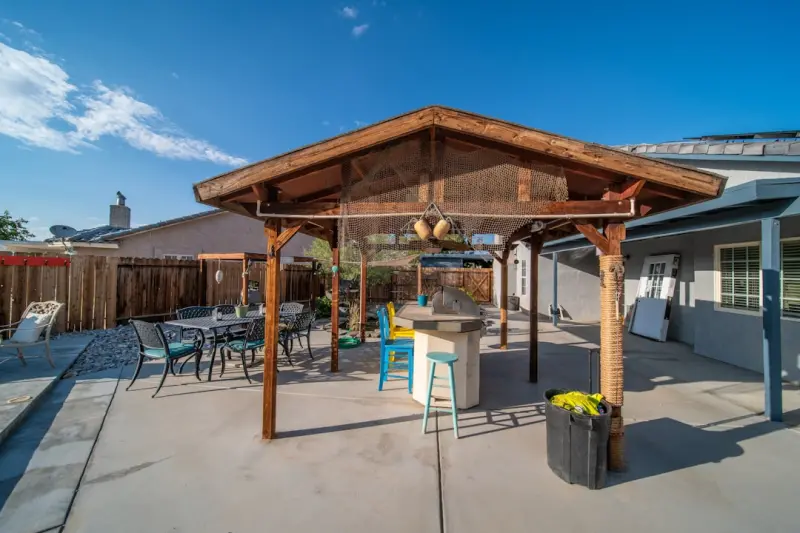
Backyard Retreats: Turning Sheds and Gazebos into Personal Sanctuaries
A guide to reimagining sheds and gazebos as flexible, sustainable retreats—covering purpose, materials, design tricks, tech integration, and community buildin...Read More
0 Comments
Post Comment
You will need to Login or Register to comment on this post!