
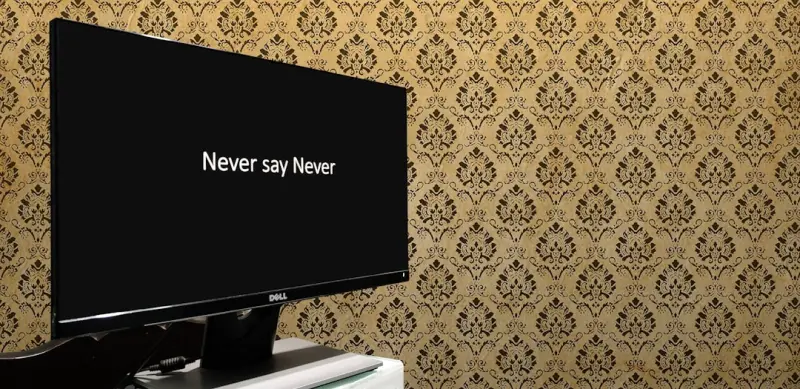
The Rise of Tactile Wallpaper: More Than Just a Look
When I first walked into a freshly‑finished office that felt right, it wasn’t the sleek furniture or the high‑tech lighting that struck me—it was the wall. Not a glossy paint job or a digital display, but a subtle, textured wallpaper that seemed to whisper comfort into the room. In the past few years, I’ve watched a quiet revolution unfold: wallpaper is shedding its decorative-only skin and stepping onto the stage as a functional, performance‑driven material. This shift isn’t about trends; it’s about solving real problems—acoustic overload, indoor air quality, employee wellbeing, and brand storytelling—all at once.
From Ornament to Infrastructure
Traditionally, wallpaper was relegated to the realm of interior décor, a finish that added colour and pattern without much else to offer. Today, however, designers and facilities managers are treating walls as infrastructure. The modern office is an ecosystem where every surface can contribute to the overall health of the space. By integrating texture, porous materials, and even bio‑based additives, wallpaper can now act as a sound absorber, a humidity regulator, and a subtle carrier of brand narrative.
Acoustic Benefits: The Unsung Hero
Open‑plan offices have long been praised for collaboration but condemned for the constant hum of conversations, phone rings, and HVAC systems. While acoustic panels have become commonplace, they’re often bulky and visually intrusive. Textured wallpaper, especially those engineered with sustainable patterns and micro‑perforations, provides a low‑profile alternative. The raised fibers and woven fibers act like a forest of tiny diffusers, breaking up sound waves and reducing reverberation.
- Reduced Noise Levels: Studies show that a well‑chosen tactile wallcover can lower ambient noise by up to 5 dB, enough to make conversations feel more private.
- Improved Speech Clarity: When background chatter is tamed, employees experience less listening fatigue, leading to higher productivity.
- Design Flexibility: Unlike acoustic panels, these wallpapers come in a range of finishes—from linen‑like weaves to reclaimed wood textures—allowing seamless integration with brand aesthetics.
Indoor Air Quality: A Breath of Fresh Wallcover
Believe it or not, walls can help manage indoor air quality. Certain modern wallpapers incorporate natural fibers like hemp, bamboo, or even mycelium. These materials are not only renewable but also possess hygroscopic properties—they absorb excess moisture when humidity spikes and release it when the air dries out. This passive regulation reduces the strain on HVAC systems and can mitigate mold growth in humid climates.
Moreover, some manufacturers embed activated charcoal or zeolite particles into the backing layer. These act as molecular sieves, trapping volatile organic compounds (VOCs) that off‑gas from furniture, cleaning products, and even the paint itself. The result? A quieter, cleaner breathing environment without the need for additional air‑purification equipment.
Wellbeing and Biophilic Design
There’s a growing body of research linking tactile environments to reduced stress levels. The simple act of running a hand over a softly ribbed wall can trigger a calming response, similar to touching a plant leaf. In an era where intentional micro‑zones are being championed for employee wellness, wallpaper becomes a silent partner. By selecting patterns that mimic natural textures—think stone, bark, or woven grass—designers can reinforce biophilic principles without the maintenance overhead of real greenery.
Beyond texture, colour psychology remains vital. Muted earth tones paired with subtle embossing can create a grounding effect, while deeper blues and greens can inspire focus. The key is to avoid overstimulation; the wall should support the room’s purpose, not dominate it.
Brand Storytelling on a New Canvas
In commercial spaces, walls are a prime real estate for brand communication. Historically, this meant large logos or bold graphics. With tactile wallpaper, brands can convey their story through material choice as well as visual motifs. A tech startup that prides itself on sustainability might opt for a hemp‑based wallcover with a faint circuitry pattern embossed into the surface. A law firm seeking gravitas could choose a deep, velvety charcoal finish with a subtle pinstripe—evoking the texture of a classic suit.
Because the texture itself becomes part of the narrative, employees and visitors experience the brand on multiple sensory levels. It’s a form of storytelling that’s both seen and felt, reinforcing brand values long after the initial impression.
Installation Innovations: Speed Meets Precision
One of the biggest hurdles for any wall finish is the installation timeline. Traditional wallpaper requires skilled labor, careful measurement, and a lot of patience. Recent advances have introduced pre‑cut, self‑adhesive panels that snap together like modular tiles. This aligns perfectly with modular renovation strategies, allowing facilities teams to upgrade a space in a single workday rather than over a week.
These panels also integrate with existing building management systems. By embedding NFC tags or QR codes behind the pattern, spaces can provide instant access to room schedules, environmental data, or even interactive art—blurring the line between static finish and dynamic interface.
Cost Considerations: ROI Beyond Aesthetics
Critics often claim that premium wallpaper is a luxury expense with little return. I challenge that notion with three concrete ROI pillars:
- Acoustic Savings: Reducing noise levels can lower the need for expensive acoustic panels, saving up to 30 % on material costs.
- Energy Efficiency: Hygroscopic walls reduce HVAC load, translating to measurable energy savings—often 2‑4 % of annual electricity usage.
- Employee Retention: Spaces that prioritize wellbeing see lower turnover. While hard to quantify, the cost of hiring and training new staff far exceeds the marginal expense of quality wallcoverings.
When you stack these benefits, the payback period for high‑performance wallpaper can be as short as two years, making it a prudent investment rather than a decorative afterthought.
Choosing the Right Tactile Wallpaper for Your Space
Not all textured wallcoverings are created equal. Here’s a quick checklist to guide selection:
- Material Source: Look for certifications such as FSC, GOTS, or Cradle‑to‑Cradle, indicating sustainable sourcing.
- Acoustic Rating: Manufacturers often provide an NRC (Noise Reduction Coefficient). Aim for 0.5 or higher for noticeable impact.
- Moisture Management: Verify the hygro‑regulation capability if the space experiences fluctuating humidity.
- Installation Method: Decide between traditional paste‑on, peel‑and‑stick, or modular panels based on project timeline.
- Brand Alignment: Choose patterns and textures that echo your brand’s story and values.
Case Study: A Boutique Consulting Firm’s Transformation
Last year, a boutique consulting firm in a historic downtown building decided to revamp its 4,000‑sq‑ft office. Their goals were clear: improve acoustic privacy, reinforce their eco‑centric brand, and stay within a modest budget. They opted for a hemp‑based, linen‑textured wallpaper with an embedded charcoal layer for VOC capture. Installation was completed over a single weekend using click‑lock panels, causing virtually no disruption to client meetings.
The results were immediate:
- Noise Reduction: Employee surveys reported a 40 % drop in perceived noise distractions.
- Energy Use: HVAC consumption fell by 3 % in the first quarter post‑install.
- Brand Perception: Clients commented on the “thoughtful, sustainable ambiance,” reinforcing the firm’s market positioning.
This example underscores how tactile wallpaper can be a strategic lever, not just a decorative choice.
Future Outlook: From Texture to Interaction
Looking ahead, I see wallpaper evolving from a passive surface to an interactive platform. Imagine walls that change texture with a simple voice command, or that adjust their acoustic properties based on occupancy sensors. While still nascent, the convergence of smart materials, IoT, and advanced manufacturing will likely make these possibilities mainstream within the next decade.
For now, though, the most powerful step you can take is to recognize the potential hidden in the walls around you. By selecting textured, performance‑driven wallpaper, you’re not just covering a surface—you’re shaping the acoustic, environmental, and emotional landscape of your workplace.
Getting Started
If you’re intrigued by the idea of turning your walls into functional assets, start with a small pilot—perhaps a conference room or a reception area. Test the acoustic impact, monitor humidity changes, and gather employee feedback. Use the insights to scale up, and you’ll quickly discover that the right wallpaper does more than please the eye; it elevates the entire experience of the space.
In the end, the quiet power of tactile wallpaper lies in its ability to blend beauty with utility, storytelling with science, and tradition with innovation. As designers, facility managers, and business leaders, it’s time we let the walls speak—softly, sustainably, and with purpose.

William Roy is a freelance writer originally from Montreal who moved to Ottawa with his wife of 50 years to be closer to their grandkids. Alongside his writing, William has a passion for fishing.
Related Posts

The Rise of Smart Wallpaper: Walls That Learn, Breathe, and React
Smart wallpaper is evolving from decorative panels to dynamic, data‑driven surfaces that adjust co... Read More
Smart Wallpaper: Sustainable Patterns & Personalization
Wallpaper is evolving from a decorative afterthought into a strategic, tech‑enabled surface that o... Read More

The Art of Wallpapering: A Comprehensive Guide to Transforming Your Space
Wallpapering is a powerful tool for transforming your space. Learn how to choose the right material,... Read More
Top Posts

When Wood Meets Tech: Crafting Smarter Workshops for the Modern Maker
Explore the convergence of traditional woodworking with cutting‑edge technology—from real‑time moisture monitoring to AI‑generated designs—offering a ...Read More

From Blueprint to Finish Line: How Contractors Can Streamline Project Timelines
Discover a contractor’s insider tactics for mastering project schedules, cutting downtime, and delivering builds on time, every time....Read More
Smart Tile Ecosystems for Future‑Ready Buildings
This article reveals how modern tiles, embedded with sensors and sustainable materials, can become active building components—enhancing energy efficiency, com...Read More

Why Modular Construction Is the Game‑Changer General Contractors Can’t Afford to Ignore
Modular construction offers speed, safety, and precision, turning traditional general contracting challenges into opportunities. Discover why embracing prefabri...Read More
0 Comments
Post Comment
You will need to Login or Register to comment on this post!