
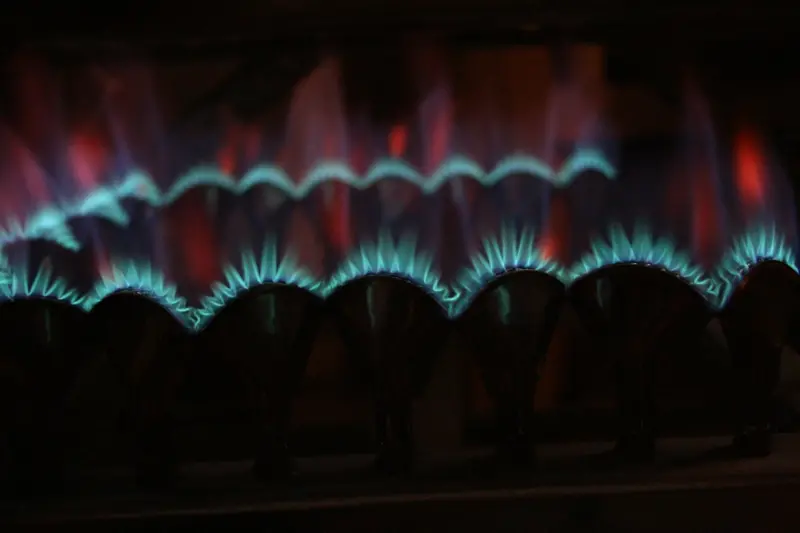
When I first stepped onto a sprawling campus with a handheld infrared camera, the experience felt like being handed a crystal ball. The walls whispered, the HVAC ducts sang, and the glass façades flickered with hidden heat signatures. That moment sparked a shift in my thinking: what if energy inspection could move from a periodic, labor‑intensive ritual to a continuously humming, data‑rich operation? In today’s hyper‑connected building ecosystem, that vision is no longer a pipe‑dream—it’s an emerging reality.
Why Traditional Energy Audits Are Losing Their Edge
For decades, the standard energy audit has been a one‑off, on‑site walkthrough. An auditor clips a few thermometers, notes down a handful of utility bills, and walks away with a checklist of recommended retrofits. While valuable, this approach suffers from three fundamental drawbacks:
- Static Snapshot: A single inspection captures conditions at one point in time, missing seasonal swings and operational shifts.
- Human Error: Even the most seasoned auditor can overlook a subtle thermal anomaly hidden behind a piece of equipment.
- Time Lag: By the time the report reaches facilities management, months may have passed, and the building’s performance may have already diverged from the baseline.
Enter the era of continuous, AI‑driven energy inspection. By marrying advanced sensors, edge computing, and predictive analytics, we can transform the audit from a discrete event into an ongoing, self‑optimizing service.
Core Components of the New Energy Inspection Stack
Building a modern energy inspection platform involves weaving together four technological strands:
- Distributed Thermal Imaging Sensors – Small, low‑power infrared modules that can be mounted on ceilings, ducts, or even drones for large‑scale surveys.
- IoT Edge Gateways – These devices aggregate sensor data, perform initial anomaly detection, and push critical alerts to the cloud without flooding the network.
- AI‑Powered Analytics Engine – Machine‑learning models trained on millions of thermal signatures learn to differentiate normal operational heat from wasteful loss.
- Actionable Insight Dashboard – A user‑friendly interface that translates raw data into prioritized work orders, ROI estimates, and ESG reporting metrics.
When these layers communicate seamlessly, facilities managers receive a real‑time heat map of the entire building portfolio, highlighting everything from a leaky pipe behind a wall to an under‑performing chiller coil.
From Drones to Fixed Sensors: Choosing the Right Deployment Strategy
Every building is unique, and the optimal sensor deployment hinges on scale, layout, and budget. Here are three common strategies, each with its own sweet spot:
1. Fixed‑Location Thermal Nodes
Ideal for high‑rise office towers where permanent fixtures can host low‑cost infrared sensors. These nodes continuously monitor critical zones—roof penetrations, atrium glazing, and mechanical rooms. The advantage is always‑on visibility, enabling instant alerts if a rooftop panel starts overheating.
2. Mobile Drone Surveys
When dealing with sprawling campuses, warehouses, or industrial complexes, drones equipped with high‑resolution thermal cameras can sweep large areas in minutes. The data is uploaded to the edge gateway on‑site, where AI filters out false positives before sending concise reports to the cloud.
3. Hybrid Approach
Most enterprises benefit from a hybrid model: fixed nodes for critical infrastructure and periodic drone flights for hard‑to‑reach spaces like roof valleys or exterior façades. This combination maximizes coverage while keeping operational costs in check.
Turning Raw Heat Data Into Business Value
Collecting thermal images is only half the battle. The real ROI emerges when you translate those pixels into concrete decisions. Below are the primary value streams:
Energy Savings
AI models can pinpoint a specific wall that’s losing 15% more heat than adjacent surfaces. By sealing that envelope, facilities can shave off thousands of kilowatt‑hours annually—often paying for the sensor hardware within a single quarter.
Predictive Maintenance
Thermal anomalies frequently precede equipment failure. A gradual temperature rise in a motor bearing can trigger a maintenance ticket before a costly shutdown occurs, extending asset life and reducing unplanned downtime.
ESG & Compliance Reporting
Stakeholders demand transparent, auditable data on energy performance. Continuous inspection creates a digital trail that can be exported directly into sustainability reports, satisfying both internal governance and external regulatory bodies.
Capital Planning
By aggregating years of thermal data, the analytics engine can forecast the degradation trajectory of building envelopes. This insight informs capital budgeting, ensuring that retrofit projects are timed for maximum impact.
Integrating Energy Inspection With Existing Building Management Systems (BMS)
The most frictionless deployments don’t reinvent the wheel—they augment what’s already in place. Modern BMS platforms expose APIs that can ingest thermal data streams, allowing the AI engine to cross‑reference temperature spikes with HVAC setpoints, occupancy schedules, and weather forecasts.
For example, if the system detects a sudden rise in a zone’s temperature while the HVAC is already at full capacity, it can flag a possible insulation breach rather than simply recommending a higher cooling setpoint. This synergy reduces energy waste and improves occupant comfort simultaneously.
Case Study: A Multi‑Site Retail Chain Cuts Energy Use by 18%
One of our early partners—a regional retail chain with 30 stores—implemented a hybrid energy inspection solution. Fixed thermal nodes were installed in each store’s loading dock and HVAC plant, while quarterly drone flights surveyed rooftops and exterior walls. Within six months, the AI flagged recurring heat loss around storefront glazing. By upgrading the glazing seals and adding low‑E film, the chain realized an average 18% reduction in heating energy across the portfolio, translating to a $1.2 M annual saving.
Beyond the raw numbers, the retailer gained a new narrative for its sustainability marketing—showcasing a “continuous energy health check” as a differentiator for eco‑conscious shoppers.
Overcoming Common Barriers to Adoption
Despite its promise, the shift to continuous energy inspection faces hurdles. Here’s how to address the most frequent concerns:
- Upfront Capital – While sensor hardware has a cost, the payback period is often under a year due to immediate utility savings. Financing options such as Energy‑as‑a‑Service (EaaS) can spread costs over the lifespan of the equipment.
- Data Overload – Edge processing trims raw data, sending only actionable events to the cloud. This reduces bandwidth usage and keeps dashboards clean.
- Integration Complexity – Leveraging open‑standard protocols (BACnet, MQTT) ensures the new layer plugs into existing BMS without custom code.
- Privacy & Security – All sensor traffic is encrypted end‑to‑end, and role‑based access controls limit who can view sensitive thermal imagery.
Future Horizons: Merging Energy Inspection With Other Smart‑Building Services
Continuous energy inspection isn’t a silo; it’s a keystone for broader smart‑building ecosystems. Imagine these convergences:
- Occupancy‑Driven HVAC Optimization – Combine thermal data with people‑count sensors to dynamically adjust ventilation based on real‑time heat loads.
- Digital Twin Integration – Feed live thermal streams into a building’s digital twin, enabling simulation of “what‑if” scenarios for retrofit planning.
- Blockchain‑Backed Audits – Store immutable inspection logs on a blockchain to provide transparent verification for third‑party auditors.
These intersections amplify the value of each individual technology, creating a virtuous cycle of efficiency, resilience, and sustainability.
Getting Started: A Practical Roadmap
If you’re ready to upgrade from periodic audits to an always‑on energy inspection model, follow this three‑step roadmap:
- Audit Your Current Data Landscape – Identify existing sensors, BMS capabilities, and data storage practices. This will inform the integration plan.
- Pilot a Targeted Zone – Deploy a small set of fixed thermal nodes in a high‑impact area (e.g., a warehouse loading dock). Pair them with a portable AI analytics module to validate ROI.
- Scale & Refine – Based on pilot results, expand the sensor network, incorporate drone surveys where needed, and fine‑tune AI models using your building‑specific data.
Remember, the goal isn’t to replace human expertise but to empower it with richer, real‑time insights. As you scale, you’ll find your facilities team spending less time chasing leaks and more time on strategic projects that drive long‑term value.
Connecting the Dots With Our Broader Smart‑Building Portfolio
Energy inspection thrives when it’s part of a cohesive smart‑building strategy. Our platform also supports initiatives like proactive façade maintenance, where IoT sensors monitor exterior envelope health, and data‑driven commercial renovations that leverage insights from ongoing inspections to prioritize upgrades. By integrating these services, you create a unified data lake that fuels continuous improvement across every building system.
Conclusion: From Reactive Audits to Proactive Energy Guardians
The transition to AI‑powered, continuous energy inspection marks a paradigm shift for facilities managers, sustainability officers, and building owners alike. No longer bound by the constraints of annual walk‑throughs, you can now monitor, predict, and act on energy performance in real time. The result is a leaner, greener, and more resilient built environment—one where every square foot is constantly whispering its health status, and you have the tools to listen, interpret, and improve.

Craig Brett is a freelancer with a passion for the outdoors. His love for nature inspires his work, bringing authentic and engaging perspectives to projects related to outdoor activities, adventure, and environmental topics.
Related Posts

Beyond the Meter: How Micro‑Inspections Reveal Hidden Energy Leaks
A micro‑inspection focuses on the smallest leaks, using portable tools and smart sensors to turn h... Read More
Digital Twin Energy Inspections: Real‑Time Building Insight
A digital twin turns static energy inspections into a live, data‑driven dialogue, enabling real‑... Read More
Invisible Energy: Continuous IoT Audits Redefine Building Performance
Continuous IoT audits replace periodic checklists with real‑time insights, enabling predictive mai... Read More
Top Posts

When Waterproofing Gets Smart: Sensors, Data, and the Future of Leak‑Free Buildings
Smart waterproofing uses embedded sensors, cloud analytics, and AI to predict leaks before they happen, turning traditional membrane installs into a proactive, ...Read More

Transforming My Bathroom: A Sustainable Renovation Journey
A personal, eco‑focused bathroom makeover that blends radiant floor heating, smart water fixtures, and reclaimed materials for a stylish, energy‑saving sanc...Read More
The Evolution of Flooring: How Sustainable Solutions Are Revolutionizing the Industry
The flooring industry is undergoing a significant transformation, with sustainable solutions leading the way. Learn about the evolution of flooring and eco-frie...Read More

The Untapped Value of Bathtub Refinishing for Property Owners
Bathtub refinishing offers a low‑cost, high‑impact solution for property owners, delivering substantial ROI, sustainability advantages, and improved tenant ...Read More
0 Comments
Post Comment
You will need to Login or Register to comment on this post!