
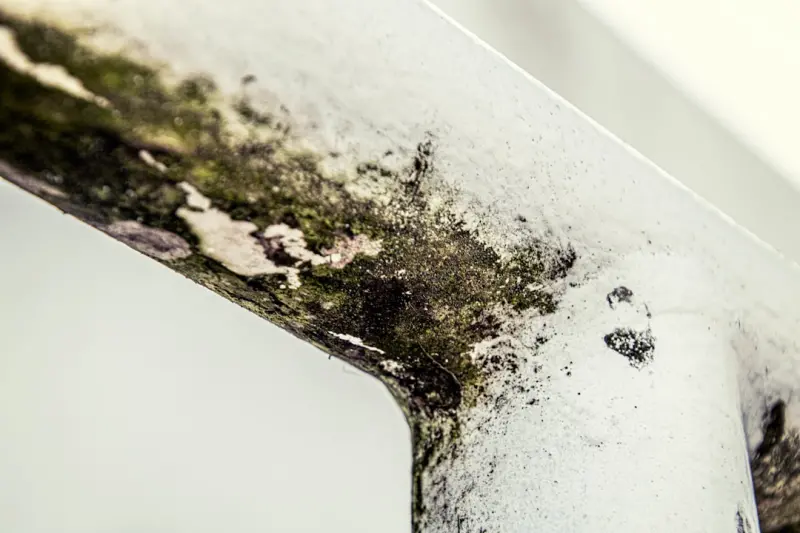
Why Green Mold Removal Matters More Than Ever
When mold first appears on a wall, ceiling, or HVAC duct, many of us jump straight to the quick fix: bleach, harsh chemicals, and a frantic scramble to scrub it away. That reaction, while instinctive, often overlooks a larger picture—how the remediation process itself can either protect or harm the building’s ecosystem, its occupants, and the planet.
As someone who’s spent years navigating the intersecting worlds of facilities management, sustainability, and indoor‑air‑quality advocacy, I’ve learned that the most effective mold removal strategies are those that balance remediation speed with environmental stewardship. This isn’t a trend; it’s an evolution driven by tighter regulations, rising awareness of chemical sensitivities, and a growing demand for truly green building practices.
Understanding the Full Lifecycle of Mold
Before diving into remediation tactics, it helps to see mold as a living organism that thrives under specific conditions:
- Moisture—the primary catalyst, whether from leaks, condensation, or high humidity.
- Organic material—drywall, wood, carpet fibers, and even dust provide food.
- Temperature—most molds love the comfort range of 68‑80°F (20‑27°C).
- Time—given the right environment, spores can colonize a surface in as little as 24‑48 hours.
When you address mold solely by killing spores, you might stop the immediate problem but often leave the underlying moisture source untouched. The result? A recurring cycle that forces building owners into a perpetual “clean‑and‑pray” loop, which is both costly and unsustainable.
Three Pillars of Eco‑Friendly Mold Remediation
Effective, green mold removal rests on three interlocking pillars: source control, sustainable cleaning, and post‑remediation verification. Let’s break each down.
1. Source Control: The Real Prevention Engine
Finding and eliminating the moisture source is the most critical step. Traditional approaches often rely on patching a leaky pipe and moving on. A greener mindset asks:
- Can the water intrusion be fixed with low‑impact materials such as recycled‑content pipe liners?
- Is there an opportunity to improve advanced HVAC integration that reduces condensation on ducts?
- Would installing a smart humidity sensor help maintain optimal indoor humidity (30‑50%) without constant manual checks?
These actions not only stop mold at its root but also reduce the need for future chemical interventions.
2. Sustainable Cleaning: Choose Materials Wisely
When chemicals are necessary, opt for products that are:
- Certified low‑VOC (volatile organic compounds) to protect occupant health.
- Based on bio‑based surfactants, such as citrus‑derived cleaners that break down mold cell walls without lingering toxicity.
- Formulated to be biodegradable, ensuring they don’t accumulate in wastewater streams.
One surprisingly effective method is the use of encapsulating agents. These create a breathable, water‑resistant barrier over treated surfaces, preventing future moisture absorption. Many of these agents are made from reclaimed polymers, aligning with circular‑economy principles.
3. Post‑Remediation Verification: Closing the Loop
Even after a successful clean‑up, confirming the environment is truly mold‑free is essential. Traditional “visual inspection” can miss hidden colonies behind walls or under flooring. Green verification tactics include:
- Deploying portable ATP (adenosine triphosphate) testing kits that provide rapid, chemical‑free readings of biological activity.
- Using infrared thermography to spot hidden moisture pockets that could reignite mold growth.
- Installing passive air samplers that monitor spore counts over weeks without consuming electricity.
These tools empower building operators to maintain a healthy indoor environment with minimal ongoing resource use.
Integrating Green Mold Remediation with Existing Building Systems
Many modern facilities already have sophisticated building‑automation platforms. Rather than treating mold removal as a stand‑alone task, consider weaving it into the broader ecosystem.
For instance, a building’s Building Management System (BMS) can be programmed to trigger dehumidifiers when relative humidity climbs above a set threshold. Coupling this with the smart mold monitoring technologies highlighted in recent industry research creates a proactive defense line—one that reduces reliance on chemical remediation altogether.
Another low‑impact integration is the use of green roofs and living walls. These not only improve insulation but also naturally regulate humidity, creating a drier micro‑climate that discourages mold colonization. When combined with a well‑designed drainage system, they become a powerful ally in the fight against moisture.
Case Study: A Mid‑Size Office Building’s Journey to Sustainable Mold Management
To illustrate the concepts above, let’s walk through a real‑world scenario (names changed for privacy). A 150,000‑square‑foot office complex in the Pacific Northwest began noticing a persistent musty odor on the third floor. Initial inspections revealed mold behind the suspended acoustic ceiling.
Step 1: Source Identification – A leak in an adjacent restroom’s floor drain had gone undetected for months. Instead of simply replacing the pipe, the facilities team opted for a recycled‑material trenchless pipe repair, cutting waste and avoiding demolition.
Step 2: Green Cleaning – The remediation crew used a citrus‑based surfactant combined with a biodegradable encapsulant. They also installed a low‑VOC antimicrobial paint to protect exposed drywall.
Step 3: Verification – Post‑remediation, the team deployed ATP swabs and installed a temporary passive air sampler. Results showed spore counts dropping from 12,000 CFU/m³ to under 200 CFU/m³ within 48 hours—a clear success.
Step 4: System Integration – The BMS was updated to include humidity sensors in the affected zone. When levels exceeded 55%, the system automatically activated a low‑energy desiccant dehumidifier.
Six months later, the building’s maintenance logs recorded zero repeat mold incidents in that zone, and tenant satisfaction scores improved by 12%. This case underscores how a holistic, green approach can deliver tangible ROI while safeguarding health.
Choosing the Right Professionals: What to Look For
Not every remediation contractor embraces sustainable practices. When vetting potential partners, ask about:
- Their certifications (e.g., IICRC, Green Building Advisor endorsements).
- The environmental impact statements for the cleaning agents they use.
- Experience with integrated building systems—can they work with your BMS to set up automated humidity controls?
- Documentation of post‑remediation testing methods that avoid chemical residues.
A contractor that aligns with these criteria will not only remove mold effectively but also help you achieve broader sustainability goals.
Budgeting for Sustainable Mold Remediation
It’s a common misconception that green remediation is always more expensive. While some eco‑friendly materials carry a premium, the overall cost curve often flattens when you consider:
- Reduced downtime—faster, less invasive repairs keep spaces operational.
- Lower recurrence risk—eliminating the root cause cuts future remediation budgets.
- Potential incentives—many municipalities offer rebates for using low‑VOC products or installing energy‑efficient dehumidification systems.
- Improved occupant health—which can translate into higher productivity and lower absenteeism.
When you factor in these indirect savings, sustainable mold removal often emerges as the financially prudent choice.
Future Trends: Where Green Mold Remediation Is Heading
Looking ahead, several innovations promise to make eco‑friendly mold management even more seamless:
- Nanotechnology‑enhanced coatings that repel water at the molecular level, extending the lifespan of walls and ceilings.
- AI‑driven predictive analytics (beyond the scope of this post) that forecast moisture hotspots before they become visible.
- Closed‑loop water reclamation systems that capture and treat condensation, reducing overall building water usage.
- Biophilic design integration that leverages plant species known for natural antimicrobial properties, such as spider plant and peace lily.
By staying attuned to these developments, facilities leaders can continuously refine their mold‑control playbooks, keeping both the building and the planet healthier.
Key Takeaways
- Focus on source control—eliminate moisture before tackling mold.
- Choose low‑impact cleaning agents and consider encapsulating technologies.
- Leverage non‑chemical verification tools to confirm success.
- Integrate remediation with existing building automation for proactive defense.
- Partner with contractors who prioritize sustainability and transparent testing.
By weaving these principles into your facility’s maintenance strategy, you’ll not only eradicate mold effectively but also champion a greener, healthier built environment for everyone who walks through your doors.

Kelly Reynolds is a dynamic freelance writer hailing from the picturesque landscapes of Alberta. A master of the written word, she juggles her passion for storytelling with the exhilarating chaos of being a mother to five spirited children. With an impressive portfolio that spans various genres, Kelly captivates readers through her engaging blog posts and thought-provoking articles.
Related Posts

Data‑Driven Mold Removal: Turning Moisture Into Measurable Action
Mold removal is evolving from reactive cleaning to a data‑first approach. Learn how moisture senso... Read More

The Veteran Contractor’s Blueprint for Safe, Sustainable Mold Removal
Learn how a veteran contractor tackles mold with sustainable methods, from detection to long‑term ... Read More
The Hidden Cost of Ignoring Mold: A Proactive Playbook for Facility Managers
A facility manager’s guide to a proactive mold removal strategy that uses IAQ sensors, targeted re... Read More
Top Posts

Harnessing Predictive Analytics to Transform Property Maintenance
A deep dive into building a data‑driven, predictive maintenance ecosystem—covering sensor strategy, machine learning models, workflow integration, and cultu...Read More
Sustainable Property Maintenance: Green Strategies That Save Money and Preserve Your Home
Learn how to turn everyday maintenance into eco‑friendly upgrades, from sealing drafts to eco‑smart roofing, and keep your property thriving while saving mo...Read More

How to Turn Your Home Into a Climate‑Smart Fortress
Learn practical, future‑ready strategies to protect your home from harsh weather, from dynamic shutters and smart insulation to real‑time weather integratio...Read More

Beyond the Boards: How Intelligent Deck Design is Redefining Outdoor Living
The article explores how decks can evolve into smart, sustainable outdoor spaces by incorporating solar power, modular components, water‑smart systems, and ci...Read More
0 Comments
Post Comment
You will need to Login or Register to comment on this post!