

Why an Awning Becomes My Outdoor Signature
When I first stepped onto the porch of my grandparents’ cottage, the weather‑worn canvas awning greeted me like a familiar hug, instantly shaping the way I perceived that space. That moment taught me an awning isn’t just a functional shield from the sun—it’s a personal canvas that frames daily rituals, from sunrise coffee to twilight conversations. Choosing the right awning can transform a bland façade into a story‑telling backdrop, reflecting the homeowner’s taste while delivering comfort.
Choosing the Right Fabric: Durability Meets Drama
Modern awning fabrics range from tightly woven acrylics that repel water to buttery‑soft polyester blends that drape with elegance, each offering a unique performance profile. When I evaluated options for my own patio, I weighed UV resistance, breathability, and the way colors fade under relentless sunlight, realizing that a high‑quality weave can last a decade without losing its vibrancy. The secret lies in selecting a material that balances weather protection with a tactile appeal that invites you to linger.
Color & Pattern: Your Outdoor Mood Board
Just as interior designers curate wall colors, an awning’s hue can set the tone for an entire yard, turning a modest garden into a bold statement or a serene retreat. I experimented with a muted sage that blended into my native plantings, then tried a daring terracotta that echoed the local brickwork, noticing how each shade altered the perceived size and intimacy of the space. Patterns—whether subtle stripes or intricate motifs—add depth, allowing you to play with visual rhythm without overwhelming the surrounding architecture.
Integrating Awnings with Landscape Architecture
An awning should feel like a natural extension of the landscape, not an afterthought bolted onto a wall. By aligning the awning’s overhang with existing pergolas, trellises, or the line of a garden hedge, you create a seamless transition between shelter and shade. I discovered that positioning the awning to frame a mature oak or a sculptural fountain amplified both elements, turning functional cover into a framing device that highlights the best of your outdoor assets.
Seasonal Swaps: A Simple Ritual for Fresh Energy
One of my favorite traditions is swapping awning fabrics with the seasons, a ritual that refreshes the patio’s aesthetic while responding to climate needs. In spring I choose a light, breezy linen that welcomes gentle breezes; summer calls for a reflective, UV‑blocking shade; autumn invites a warm, earthy tone that mirrors falling leaves; and winter benefits from a water‑resistant, darker canvas that absorbs heat. This cyclical update not only keeps the space visually engaging but also optimizes comfort year‑round.
Sustainability: Sunlight Management & Energy Savings
Beyond comfort, a well‑designed awning plays a pivotal role in a home’s energy strategy by reducing solar heat gain and lowering cooling costs. By extending the roofline, the awning creates a micro‑climate that shields windows from direct sun, allowing interior spaces to stay cooler naturally. Pairing this passive cooling with intelligent shade solutions can further enhance efficiency, as automated sensors adjust the awning’s angle based on sunlight intensity, delivering measurable savings without sacrificing style.
DIY Installation Tips for the Confident Homeowner
Installing an awning doesn’t require a crew of professionals—just careful planning, the right tools, and a willingness to follow clear steps. Begin by locating wall studs and measuring the desired projection, then pre‑drill mounting brackets to ensure a flush fit. I recommend sealing all penetrations with weather‑proof caulk to prevent moisture intrusion, and after the awning is secured, performing an energy‑saving inspection to verify the thermal impact. This hands‑on approach not only saves money but also adds a sense of accomplishment to your home improvement journey.
Preserving Historical Charm with Modern Materials
For heritage homes, an awning can honor traditional aesthetics while embracing contemporary performance standards. By selecting fabrics that mimic classic canvas textures yet incorporate modern UV inhibitors, you protect the structure without compromising its historic character. I consulted historic restoration techniques to choose colors that echo period palettes, ensuring the awning feels like a natural extension of the building’s story rather than a jarring addition.
Conclusion: Your Awning, Your Narrative
Whether you view your awning as a protective shield, a design statement, or a sustainable upgrade, it holds the power to shape how you experience your outdoor environment. By thoughtfully selecting fabric, color, and placement, and by treating installation as a personal project, you create a bespoke canopy that reflects your lifestyle and values. In the end, the awning becomes more than shade—it becomes a living part of your home’s narrative, inviting you to step outside and write new chapters under its gentle cover.

When it comes to the world of blogging and writing, Rose DesRochers is a name that stands out. Her passion for creating quality content and connecting with her audience has made her a trusted voice in the industry. Aside from her skills as a writer and blogger, Rose is also known for her compassionate nature.
Related Posts
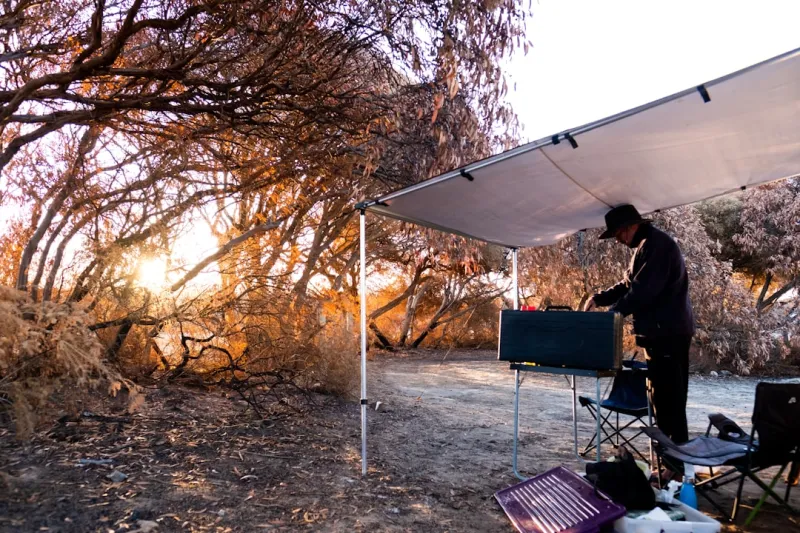
The Sustainable Awning Revolution: A Game-Changer for Homeowners
Sustainable awnings offer a stylish and practical way to reduce energy consumption and environmental... Read More
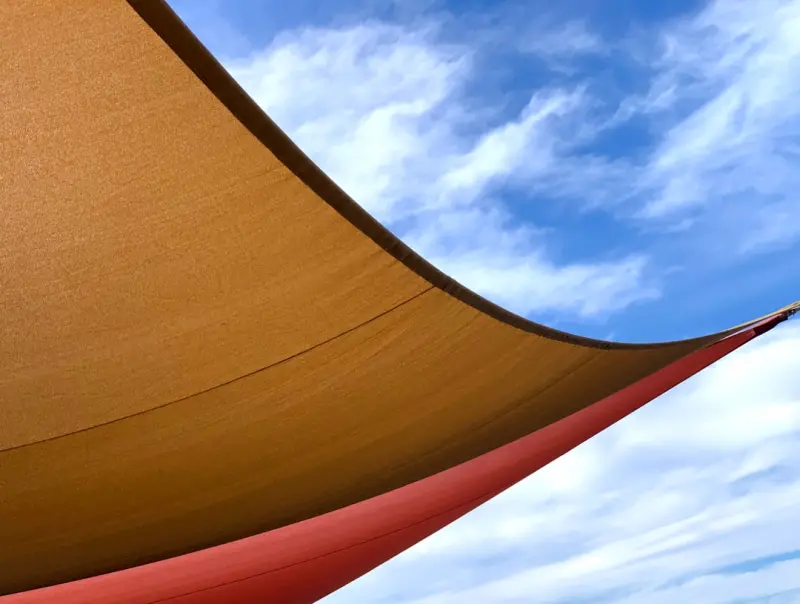
Awning Innovation: Smart Shade Solutions for Modern Living
Explore the evolution of awnings from simple shade to AI‑driven, solar‑powered extensions that e... Read More

Awning Mastery: Turning Shade into Sustainable Comfort
Explore the transformative power of awnings—from energy savings and smart automation to eco‑frie... Read More
Top Posts

The Hidden Power of Soil Microbiomes: A New Era for Lush Lawns
Learn how a healthy soil microbiome can transform your lawn into a self‑sustaining, drought‑tolerant oasis, with practical steps and smart tech integration....Read More
Waterproofing as a Service: Subscription Models Redefining Property Resilience
A deep dive into why waterproofing is shifting from a one‑time capital project to a subscription service, highlighting financial benefits, tenant impact, tech...Read More
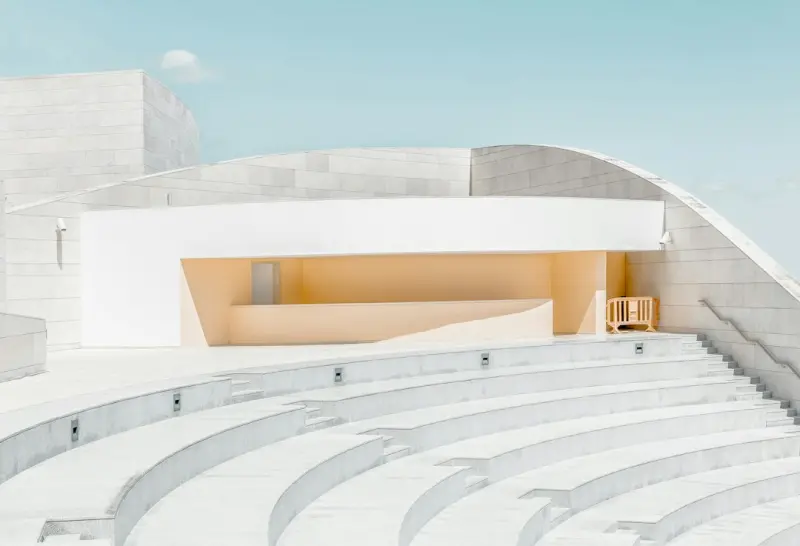
Designing for the Unknown: How Adaptive Architecture Future‑Proofs Commercial Spaces
Adaptive architecture embeds modular spaces, responsive façades, and sensor‑driven insights into commercial design, turning buildings into flexible, sustaina...Read More
Revamping Your Home's Aesthetic: A Comprehensive Guide to Interior Design
Discover the art of interior design and learn how to revamp your home's aesthetic with our expert guide. Get inspired and create a space that's truly yours....Read More
0 Comments
Post Comment
You will need to Login or Register to comment on this post!