

When you walk past a building, the first thing you notice is usually the glass‑fronted lobby, the sleek signage, or the bustling activity inside. What you rarely see—yet what ultimately protects every square foot of that investment—is the skin of the building: the façade, windows, cladding, and the myriad joints that keep the weather out. For most property owners, exterior upkeep is a “check‑the‑list‑once‑a‑year” task, relegated to a seasonal rush of pressure washing, sealant re‑applications, and the occasional emergency repair when a leak finally shows its face. That reactive mindset is costing us more than just dollars; it’s draining resources, jeopardizing tenant satisfaction, and accelerating wear‑and‑tear.
Over the past decade, I’ve watched the maintenance industry evolve from a labor‑intensive, schedule‑driven operation into a data‑rich, technology‑enabled ecosystem. The catalyst? Sensors. Not the clunky, isolated temperature probes of the past, but an interconnected web of IoT devices that can monitor moisture ingress, thermal bridges, vibration, and even the health of sealants in real time. When you pair those streams with predictive analytics, the whole narrative flips: you move from “fix‑it‑when‑it‑breaks” to “anticipate‑and‑prevent.” In this post, I’ll walk you through why a proactive, sensor‑driven approach to façade and exterior maintenance isn’t just a nice‑to‑have—it’s becoming the industry standard for smart, sustainable property management.
The Hidden Cost of Reactive Exterior Care
Let’s start with the cold, hard numbers. A single water‑penetration incident can cascade into:
- Structural rot in supporting frames
- Mold remediation expenses that can run into the tens of thousands
- Tenant downtime and potential lease penalties
- Higher insurance premiums due to increased risk profiles
When you add up the labor hours spent on emergency crews, the expedited material orders, and the reputational hit from dissatisfied occupants, the total cost quickly eclipses the modest annual budget that would have been allocated for a systematic monitoring program.
That’s why I’ve started treating the building envelope the way I treat a high‑performance engine: you don’t wait for a misfire before you pull the spark plugs. You install sensors, monitor performance, and service proactively.
Enter the Sensor Suite: What to Measure and Why
Not all sensors are created equal, and you don’t need a sprawling array to get meaningful insight. Here are the three core metrics that have proven most valuable in my experience:
- Moisture Sensors – Placed at critical junctions (window frames, expansion joints, and behind cladding panels) they alert you to early signs of water ingress before a visible stain appears.
- Thermal Imaging Cameras (IoT‑enabled) – These devices map temperature differentials across the façade, highlighting thermal bridges where insulation may be compromised.
- Vibration Accelerometers – Often overlooked, they detect subtle shifts in mounting hardware caused by wind loading or building settlement, allowing you to address loosening brackets before they fail.
When these sensors feed into a cloud‑based analytics platform, you receive a dashboard that flags anomalies, predicts degradation curves, and even schedules maintenance tasks automatically. It’s the same philosophy behind Foundation Care-as-a-Service: Predictable Structural Health, only moved up to the building’s exterior envelope.
Data‑Driven Decision Making: From Alerts to Action Plans
Data without context is just noise. The real power lies in turning raw readings into actionable work orders. Here’s a typical workflow I’ve implemented on several commercial assets:
- Threshold Configuration – Set realistic moisture and temperature thresholds based on the building’s design specifications and local climate patterns.
- Real‑Time Alerting – When a sensor breaches its threshold, the system pushes an instant notification to the property manager’s mobile device.
- Diagnostic Correlation – The platform cross‑references the alert with recent weather data, occupancy schedules, and historical maintenance logs to assess severity.
- Automated Work Order Generation – A qualified contractor is automatically assigned, complete with a location map and suggested remediation steps.
- Feedback Loop – After the repair, the sensor’s status is re‑evaluated, and the system learns from the outcome to fine‑tune future thresholds.
This end‑to‑end loop reduces the time from detection to resolution from days—or even weeks—to hours. Moreover, by logging every interaction, you build a comprehensive asset history that pays dividends during audits, insurance reviews, and lease negotiations.
Integrating with Existing Building Management Systems (BMS)
If you already have a Building Management System handling HVAC, lighting, and security, you’re in a prime position to layer façade monitoring without a massive overhaul. Most modern BMS platforms support open APIs, meaning you can feed sensor data directly into the same dashboard your facilities team already uses.
In practice, this integration yields two major benefits:
- Holistic Energy Insights – Correlating exterior thermal leaks with HVAC performance highlights opportunities for energy savings that would otherwise stay hidden.
- Unified Maintenance Scheduling – Rather than juggling separate work order systems for interior and exterior tasks, you consolidate everything under one umbrella, simplifying budgeting and staffing.
Think of it as the exterior version of Beyond the Blueprint: Data‑Driven Commercial Renovations That Pay Off. The data that once guided your renovation decisions now extends its reach to everyday upkeep.
Cost‑Benefit Analysis: The ROI of Proactive Façade Care
Every property manager asks the same question: “What’s the return on investment?” Here’s a simplified model based on my recent projects:
| Item | Annual Cost (Traditional) | Annual Cost (Proactive IoT) | Savings |
|---|---|---|---|
| Emergency Repairs | $45,000 | $12,000 | $33,000 |
| Labor Hours (Unplanned) | 420 hrs | 150 hrs | 270 hrs |
| Materials (Expedited Shipping) | $9,000 | $2,500 | $6,500 |
| Insurance Premium Adjustment | $5,000 | $3,200 | $1,800 |
| Total | $59,000 | $19,700 | $39,300 |
Beyond the dollar figures, you gain intangible benefits: higher tenant retention, improved ESG scores, and a reputation for forward‑thinking stewardship.
Case Study: Turning a High‑Rise’s Facade into a Predictive Asset
One of my recent engagements involved a 28‑story mixed‑use tower located in a humid coastal city. Historically, the building suffered from salt‑induced corrosion on its metal cladding, leading to frequent panel replacements every 3‑4 years.
We installed a network of smart moisture nodes behind the cladding panels, paired with a thermal imaging drone that performed quarterly scans. Within six months, the system flagged a cluster of panels where moisture levels were creeping above the set threshold. A targeted sealant application resolved the issue, averting what would have been a $250,000 panel replacement program.
The client’s facilities team now receives a monthly “health score” for the façade, comparable to a credit rating, and they can budget for minor interventions long before the costly full‑scale replacement cycle would have begun.
Overcoming Implementation Hurdles
Adopting a sensor‑first strategy does come with its own set of challenges. Here are the three most common roadblocks and how I’ve helped clients navigate them:
- Upfront Capital Expense – While the hardware cost is real, many vendors now offer subscription‑based models that spread the expense over time. Think of it as an as‑a‑service investment, much like Rethinking Roof Care: From Reactive Fixes to Predictive Partnerships demonstrated for roofing.
- Data Integration Fatigue – Pairing new sensor feeds with legacy systems can feel like speaking two different languages. I recommend starting with a pilot on a single façade segment, using an API‑friendly platform that can export CSV files for manual analysis before scaling up.
- Workforce Skill Gaps – Your maintenance crew may be accustomed to a hammer and a ladder, not a dashboard. A short, hands‑on training session—often a half‑day workshop—covers interpreting alerts, basic sensor troubleshooting, and the new workflow for work orders.
The Future: AI‑Enhanced Predictive Modelling
We’re already seeing the first wave of AI algorithms that can predict façade degradation years in advance, based on climate trends, material aging curves, and historical maintenance data. While still in the early adoption phase, the promise is clear: an autonomous “maintenance engine” that continuously optimizes its own schedule.
Imagine a system that knows when a sealant will lose its elasticity based on projected temperature swings, and automatically orders the exact quantity needed for the next service window. That level of foresight not only reduces waste but also aligns perfectly with sustainability goals—fewer trips, less material, lower carbon footprints.
Getting Started: A 5‑Step Playbook
If you’re ready to transition from reactive façade care to a proactive, data‑driven approach, here’s a concise roadmap:
- Audit Your Envelope – Conduct a baseline inspection to identify high‑risk zones (e.g., window perimeters, roof‑to‑wall transitions).
- Select a Scalable Sensor Platform – Choose devices that support both moisture and temperature monitoring, and verify they offer open API access.
- Integrate with Your BMS – Work with your IT team or a third‑party integrator to feed sensor data into your existing dashboard.
- Define Thresholds & Alerts – Set realistic trigger points, and establish an escalation matrix for different severity levels.
- Train & Iterate – Run a pilot, gather feedback from the maintenance crew, refine thresholds, and then roll out building‑wide.
Remember, the goal isn’t to replace skilled tradespeople with gadgets; it’s to give them the right information at the right time, so they can work smarter, not harder.
Closing Thoughts
In the same way that a driver wouldn’t ignore a check‑engine light, a property manager shouldn’t ignore the subtle signals emanating from the building’s skin. By embracing IoT sensors, predictive analytics, and a culture of proactive stewardship, you protect your asset’s value, enhance tenant experience, and position your portfolio at the forefront of sustainability.
It’s an exciting time to be in property maintenance. The tools are finally catching up with the ambition we’ve always had to treat every square foot of our buildings with the same care we’d give a prized automobile. The next step is simple: start listening to what the façade is trying to tell you.

David MacKinnon is a dynamic freelance writer known for his captivating storytelling and keen insights into the world of technology. With a passion for exploring the intersection of innovation and everyday life, he crafts engaging narratives that not only inform but also inspire his readers.
Related Posts
Sustainable Property Maintenance: Green Strategies That Save Money and Preserve Your Home
Learn how to turn everyday maintenance into eco‑friendly upgrades, from sealing drafts to eco‑sm... Read More

Build a Maintenance Dashboard: Your Property’s Command Center
A maintenance dashboard consolidates tasks, vendor data, budgets, and sensor alerts into a single in... Read More

Circular Maintenance: Waste-to-Resource Upkeep for Modern Properties
A deep dive into circular maintenance strategies shows property managers how to repurpose waste, red... Read More
Top Posts
Sustainable Windows and Doors: A Guide to Energy-Efficient Home Upgrades
Explore the world of sustainable windows and doors, focusing on their benefits, types, and considerations for upgrading your home to a more energy-efficient and...Read More
Biodiverse Lawns: Turning Grass into a Living Asset
Learn practical steps to replace a monoculture lawn with a resilient, biodiversity‑rich turf that conserves water, reduces maintenance costs, and enhances the...Read More
The Evolution of Decking: How Sustainable Practices Are Changing the Game
The decking industry has undergone a significant transformation, with a growing emphasis on eco-friendly options and sustainable practices. Learn about the evol...Read More
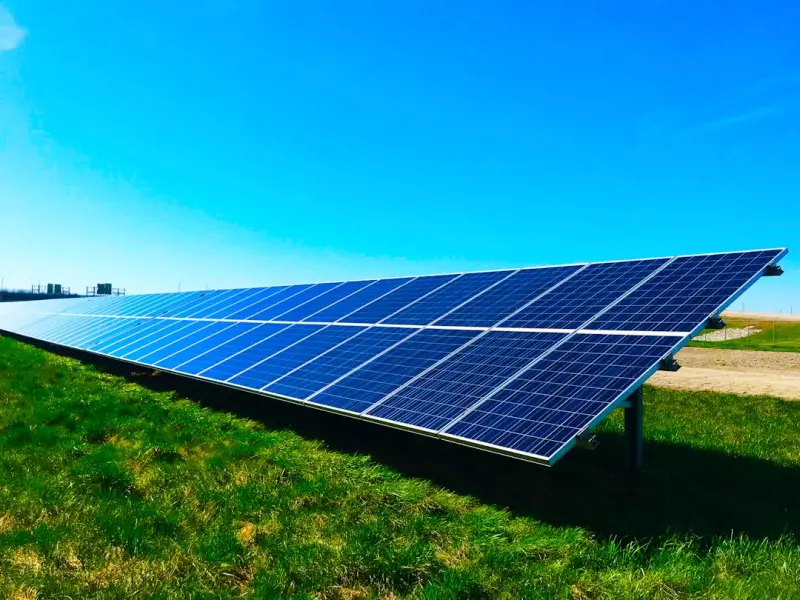
How Solar Microgrids Empower Commercial Resilience
Solar microgrids combine photovoltaic generation, storage, and intelligent controls to turn power outages into a competitive advantage, delivering cost savings,...Read More
0 Comments
Post Comment
You will need to Login or Register to comment on this post!