

Why the Modern Awning Deserves a Seat at the Outdoor‑Living Table
When I first installed a modest canvas awning over my patio, I thought it was merely a shade solution; today it feels like a silent partner in the daily choreography of home life. Awning technology has leapt from static fabric to dynamic, climate‑responsive systems that can lower at the whisper of a voice command, expand to shield a kitchen island, or even fold away to reveal a clear sky in seconds. This evolution mirrors the broader shift toward adaptable spaces, and the awning now stands as a bridge between indoor comfort and the unpredictable rhythm of the outdoors.
From Manual Pull‑Downs to Motorized Marvels
The transformation from rope‑tied drops to sleek, motor‑driven arms is more than a convenience upgrade—it reshapes how we interact with light and weather. Modern awnings integrate quiet linear actuators, battery‑backed controllers, and weather‑sensing algorithms that decide when to retract before a gust threatens to rip the fabric, all while you sip coffee on the deck. For anyone who appreciates the subtle luxury of “set it and forget it,” the motorized awning feels like a personal climate concierge, eliminating the grunt work that once discouraged frequent use.
Harvesting Sunlight: Solar‑Powered Awnings That Pay for Themselves
Imagine an awning that not only shades you from harsh rays but also captures those very rays to power LED lighting, smart sensors, or even trickle‑charge a home battery; that is the promise of solar‑integrated awnings. Flexible photovoltaic cells are now embedded in high‑tensile fabrics, delivering a respectable wattage without compromising flexibility or aesthetics. Homeowners who adopt this technology often find that the modest energy return offsets the initial investment within a few years, turning a shade structure into a modest revenue generator during sunny afternoons.
Smart Home Integration: Making the Awning Part of Your IoT Ecosystem
Connecting the awning to your home automation hub unlocks a suite of possibilities that go far beyond simple scheduling. Through platforms like Home Assistant or Alexa, you can program the awning to react to temperature spikes, humidity levels, or even your calendar events—closing automatically when a dinner party is slated for 7 p.m. to create a cooler dining ambience. For deeper synergy, consider linking the awning with smart fencing sensors that detect wind direction, allowing the system to make real‑time decisions that protect the fabric while preserving comfort.
Material Innovation: Durability Meets Eco‑Conscious Design
Today's awning fabrics are engineered from recycled PET bottles, marine‑grade acrylics, and UV‑inhibiting polymers that resist fading for a decade or more, marrying sustainability with longevity. The coating technologies now incorporate self‑cleaning nanolayers that repel dust and water, reducing the frequency of manual cleaning and extending the lifespan of the material. Selecting a fabric with a high solar heat gain coefficient can dramatically improve cooling efficiency, turning the awning into a passive temperature regulator for your interior spaces.
Design Fundamentals: Size, Placement, and Aesthetic Harmony
Choosing the right awning begins with a careful assessment of your home's orientation, the sun’s path, and the activities you envision beneath the shade. A larger retractable awning can double the usable footprint of a compact patio, while a sleek, minimalistic cantilever model might better suit a modern facade, preserving sightlines and architectural intent. Pairing the awning’s color palette with existing exterior elements—such as the trim of a deck or the hue of a front door—creates a cohesive visual narrative that elevates the entire property’s curb appeal.
Climate‑Specific Benefits: Heat, Rain, and Wind Management
In hot climates, an awning can slash indoor cooling loads by up to 30 percent, as the shaded exterior surface radiates less heat into the home’s envelope. In regions prone to sudden showers, a well‑engineered awning acts as a dry canopy, allowing you to enjoy outdoor meals without scrambling for umbrellas, while built‑in runoff channels can guide water toward a smart gutter system for reuse in garden irrigation. For windy locales, reinforced tension bars and aerodynamic profiles keep the awning stable, preventing flutter and premature wear.
Installation Choices: DIY Enthusiasts Versus Professional Installers
For the hands‑on homeowner, many awning kits now include pre‑drilled mounting brackets, step‑by‑step video guides, and plug‑and‑play controllers that make a weekend project feasible. However, complex roof‑mount installations, especially those involving structural reinforcements or integration with existing solar panels, often warrant the expertise of a certified installer to ensure safety and code compliance. Weighing the cost savings of a DIY approach against the potential warranty voiding and long‑term performance is a critical decision point for any serious renovation budget.
Maintenance Made Simple: Extending the Life of Your Investment
Routine care for a modern awning is surprisingly straightforward: a quarterly wipe‑down with mild soap, a quick inspection of the motor’s lubrication points, and a seasonal check of the tension cables keep the system humming. Advanced models feature diagnostic LEDs that alert you to motor overheating or sensor failures before they become costly repairs. By adhering to a simple maintenance schedule, you preserve both the functional performance and the aesthetic integrity of the awning, ensuring it remains a reliable outdoor companion for years to come.
Future Horizons: Kinetic and AI‑Driven Awnings
Looking ahead, researchers are experimenting with kinetic fabrics that adjust their porosity in real time, offering dynamic shade levels that respond to solar intensity without moving the entire structure. Coupled with AI algorithms that learn your daily routines, these next‑generation awnings could anticipate your needs—opening just enough to let a gentle breeze flow during a mid‑morning reading session, then closing fully at the first hint of a storm. As these innovations mature, the awning will evolve from a passive shelter into an active, intelligent participant in the home’s energy ecosystem.

Paul Gray is a dynamic blogger based in Brampton, where he shares his life with his amazing wife, Sarah. Known for his engaging writing style and relatable insights, Paul has carved out a niche in the blogging world that resonates with readers from all walks of life. When he's not crafting captivating posts, you can find him savoring a cold beer or indulging in the latest blockbuster movie. With a friendly demeanor and a passion for storytelling, Paul brings a unique perspective to his work, making him not just a blogger, but a voice for those who appreciate the simple joys of life.
Related Posts
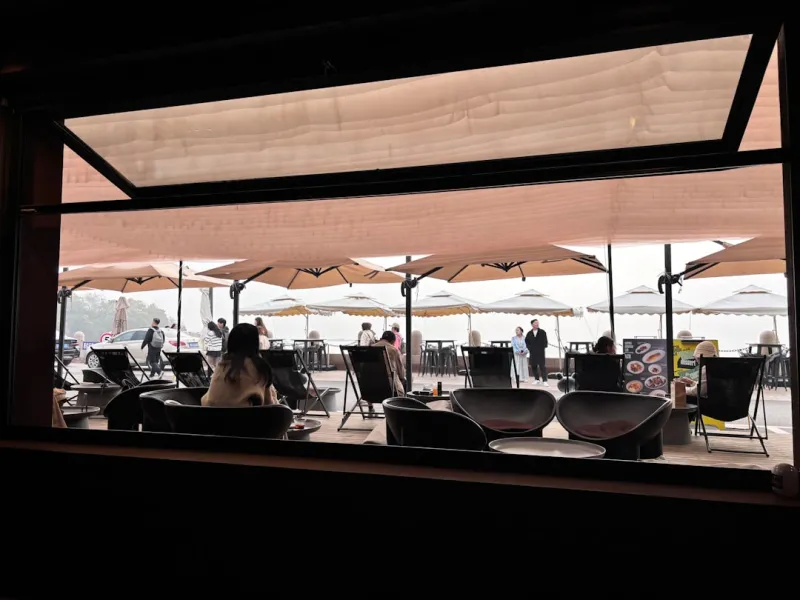
The Secret Power of Awnings: Turning Your Patio into a Sustainable Sanctuary
A personal dive into how awnings transform outdoor comfort, save energy, and integrate with smart ho... Read More
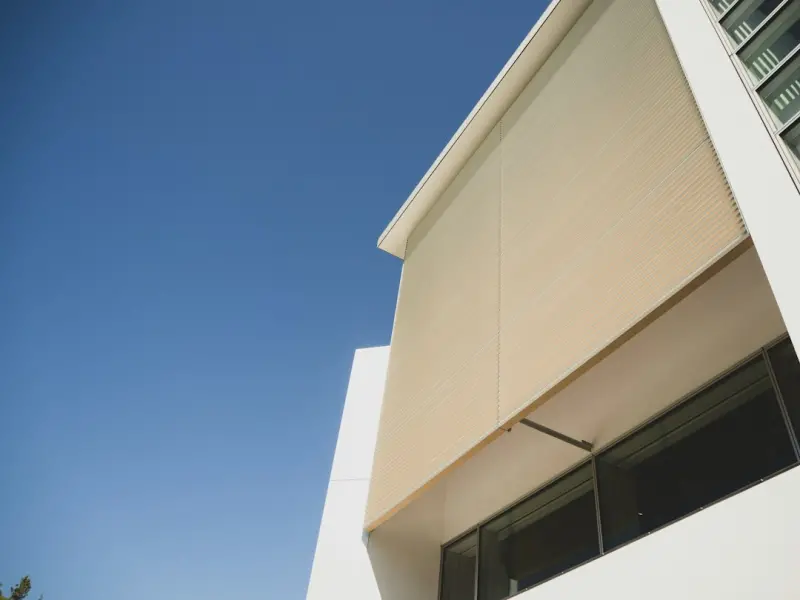
Awnings as Climate‑Smart Facade Assets: Shade, Energy, and Brand in One Package
A fresh look at awnings shows they’re more than shade—they’re climate‑smart facade assets th... Read More
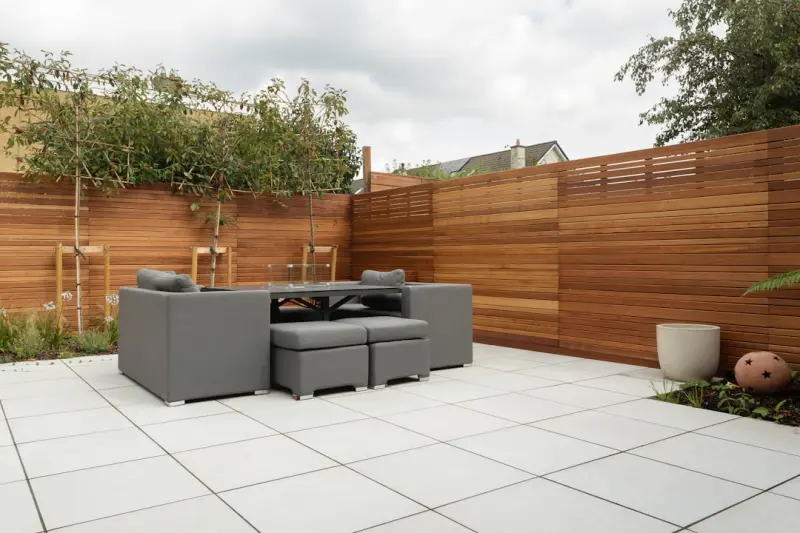
Shade and Style: Transforming Outdoor Spaces with Smart Awnings
Explore the art of selecting, installing, and maintaining smart awnings that blend style, sustainabi... Read More
Top Posts

Intelligent Paint: How High‑Tech Coatings Are Changing the Way We Color Our Homes
Modern paint is evolving into a high‑tech platform that improves indoor air quality, reduces energy use, and offers dynamic aesthetics. This post breaks down ...Read More
Transforming My Basement: A Sustainable Renovation Journey
A hands‑on walkthrough of turning a neglected basement into a stylish, sustainable living area, packed with insulation tricks, eco‑friendly finishes, and sm...Read More
Expert Handyman Tips for a Comfortable and Efficient Home
Improve your home's comfort and efficiency with expert handyman tips. Learn how smart renovations, flooring, and heating systems can transform your living space...Read More

Breathing New Life Into Vintage Furniture: A Craftsperson’s Roadmap
Explore a comprehensive, eco‑friendly approach to furniture restoration that blends historic craftsmanship with modern tools, offering practical steps, pricin...Read More
0 Comments
Post Comment
You will need to Login or Register to comment on this post!