
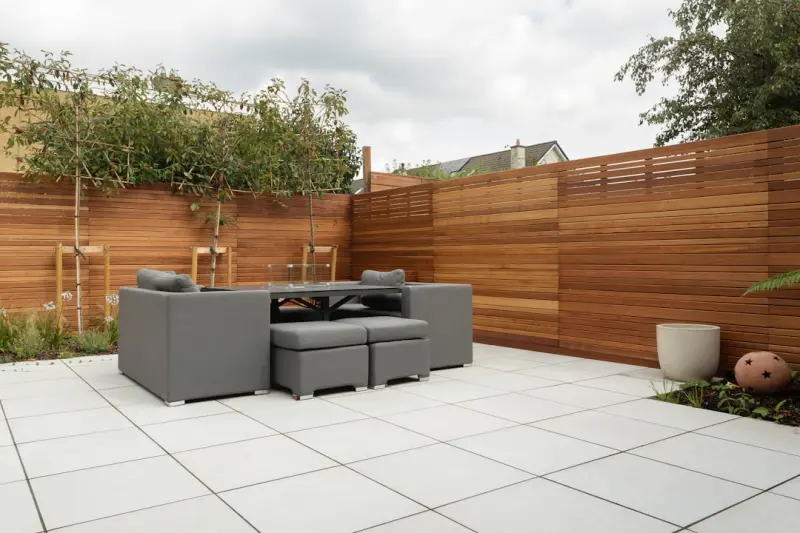
Why Awnings Are the Unsung Heroes of Outdoor Living
When I first added a retractable awning to my patio, the transformation felt almost cinematic—suddenly my outdoor space had a defined personality, a shade that breathed with the sun and retreated when the clouds rolled in. Awning design isn’t just about shelter; it’s an invitation to extend the comfort of your interiors into the open air, creating a seamless transition that encourages you to linger longer. I quickly learned that a well‑chosen awning can protect furniture, reduce glare, and even lower interior cooling costs, turning a simple deck into a year‑round oasis. This revelation sparked countless experiments with fabric patterns, motorized controls, and seasonal color palettes, each iteration teaching me that awnings are as much about aesthetic expression as they are about functional performance.
Designing Awnings That Speak Your Style
Choosing the right awning is like picking a piece of art for a wall—you want it to complement, not compete, with the existing architecture. I gravitated toward fabrics that echo the natural tones of my garden while offering a subtle pop of color that frames the space without overwhelming it. The beauty of modern awning systems lies in the diversity of options: from sleek, low‑profile aluminum frames that whisper modern minimalism to robust, timber‑accented structures that echo rustic charm. By pairing the awning’s hue with exterior paint, deck tiles, and even the foliage, you craft a cohesive visual narrative. One tip I swear by is to use a sample swatch in the actual sunlight of your yard; the way light filters through the fabric at different times of day can dramatically alter the perceived color, ensuring the final choice feels just right when the sun is high and when it’s low.
Eco‑Friendly Materials: Green Choices for Shade
In my pursuit of sustainability, I discovered that the awning market is increasingly offering recycled polyester fabrics and responsibly sourced aluminum that reduce the carbon footprint without sacrificing durability. These greener materials not only divert waste from landfills but also often feature advanced UV‑blocking technologies, meaning they protect you while staying cooler longer. Pairing an eco‑friendly awning with other energy‑saving measures amplifies the impact; for instance, a well‑placed awning can shade windows and walls, cutting down on the need for air‑conditioning on hot afternoons. I love referencing the synergy between shading solutions and interior comfort—just as radiant floor heating enhances indoor warmth, a thoughtfully installed awning moderates heat before it even enters the home, creating a holistic approach to energy efficiency.
Smart Automation: Bringing Awnings Into the Connected Home
Technology has turned awnings from manual canvas rigs into intelligent companions that respond to weather and schedule. My favorite upgrade was a Wi‑Fi‑enabled motor with a companion app that lets me lower the awning from my phone, set sunrise‑to‑sunset timers, and even integrate with home assistants like Alexa. The system can automatically retract at the first sign of rain, thanks to built‑in humidity sensors, protecting the fabric and extending its lifespan. I’ve also paired my awning with smart lighting, creating a mood‑setting ambience that adjusts as the sun dips below the horizon. For those who love a DIY challenge, many manufacturers provide detailed installation guides, but don’t underestimate the importance of proper wiring and weather‑proof connectors; a professional electrician can ensure safety and optimal performance.
Durability Matters: Weather‑Proofing Your Investment
Living in a region that swings between scorching summers and sudden storms taught me that durability isn’t a luxury—it’s a necessity. I opted for a marine‑grade aluminum frame that resists corrosion and a fabric with a PVC coating that repels water while maintaining breathability. The key to longevity is regular inspection of moving parts: lubricate the hinges, tighten any loose bolts, and check the motor’s torque settings seasonally. If you notice any fraying or discoloration, address it promptly; small issues can become costly repairs if ignored. By treating the awning like an outdoor piece of furniture—cleaning it with a gentle soap solution and protecting it with a UV‑shielded cover during off‑season months—you’ll preserve both its aesthetic appeal and structural integrity for years to come.
Installation Insights: DIY vs. Professional Help
When I first tackled awning installation, I was confident my handyman skills would suffice. The process, however, revealed a blend of precision carpentry and electrical work that can quickly become overwhelming. If you’re comfortable with mounting brackets, aligning the frame level, and handling basic wiring, a DIY approach can save money and give you a sense of accomplishment. For a seamless, warranty‑friendly experience, many brands recommend certified installers who ensure the mounting surface can bear the load, especially for larger motorized units. A professional can also advise on optimal placement—considering wind patterns, sun angles, and proximity to power sources—to maximize performance. I ultimately chose to hire a specialist for the motor integration, which proved invaluable; the installer calibrated the sensor range perfectly, preventing unnecessary retractions on light breezes.
Maintenance Made Simple: Keeping Your Awning Fresh
Regular maintenance is the secret sauce that keeps an awning looking new and functioning flawlessly. My routine includes a quick dust‑off with a soft brush, followed by a mild soap wash to remove pollen and grime that can dull the fabric’s color. For metal components, I apply a silicone‑based lubricant to the tracks and hinges every few months, ensuring smooth operation. Seasonal checks are essential: before summer, verify the motor’s battery (if applicable) is fully charged; before winter, secure the awning in its fully retracted position and cover it with a breathable tarp to shield against snow and ice buildup. These small steps not only preserve aesthetics but also guard against wear that could compromise the warranty, ultimately extending the life of your outdoor investment.
Boosting Home Value: The Financial Upside of Awnings
Beyond the day‑to‑day enjoyment, a well‑installed awning can be a compelling selling point for prospective buyers. Real estate surveys consistently show that outdoor living enhancements, such as decks, pergolas, and awnings, increase perceived value and can accelerate sale timelines. A sleek, motorized awning signals that the home has been thoughtfully upgraded, reflecting an owner’s commitment to comfort and modern convenience. I’ve seen listings where a strategic photo of a sun‑kissed patio under a beautifully colored awning captured the imagination of buyers, leading to offers above the asking price. If you’re planning to sell, consider choosing neutral yet inviting colors and highlighting the awning’s smart features in your marketing materials—these details can differentiate your property in a competitive market.
My Final Thoughts: Embrace the Shade and Shine
From my first tentative installation to the latest smart‑connected upgrade, the journey with awnings has taught me that shade isn’t just a physical barrier—it’s a canvas for creativity, a tool for sustainability, and a bridge between indoor comfort and outdoor freedom. Whether you’re a DIY enthusiast, a tech‑savvy homeowner, or someone simply craving a cozy nook to sip coffee at sunrise, there’s an awning solution tailored to your lifestyle. I encourage you to explore the vast array of fabrics, frames, and automation options, and don’t shy away from professional guidance when needed. Let your awning become the signature element that transforms your outdoor space into a year‑round sanctuary.

Kelly Reynolds is a dynamic freelance writer hailing from the picturesque landscapes of Alberta. A master of the written word, she juggles her passion for storytelling with the exhilarating chaos of being a mother to five spirited children. With an impressive portfolio that spans various genres, Kelly captivates readers through her engaging blog posts and thought-provoking articles.
Related Posts
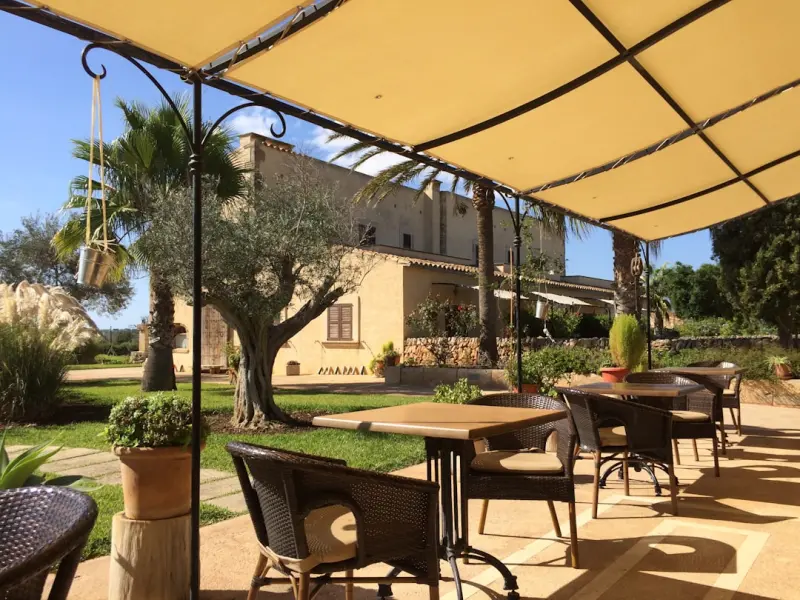
Beyond Shade: How Smart Awnings Elevate the Modern Workplace
A fresh look at awnings reveals they can be smart, data‑driven tools that lower energy bills, impr... Read More
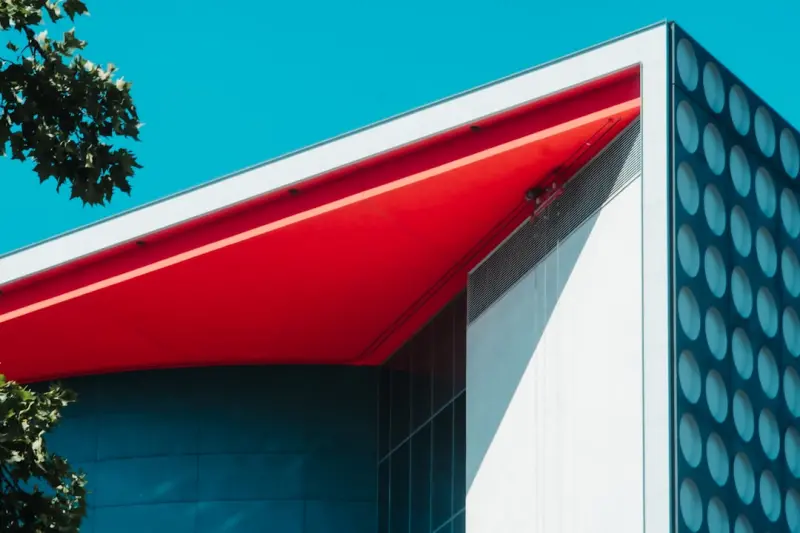
Smart Awnings: Harnessing Technology for Year‑Round Outdoor Comfort
Explore the evolution of awnings—from manual shades to IoT‑enabled canopies—offering year‑ro... Read More

Kinetic Awnings: Redefining the Commercial Facade
Kinetic awnings are evolving from simple shade to interactive, data‑rich interfaces that cut energ... Read More
Top Posts

Solar‑Powered Edge Nodes: Energizing Remote Operations
Solar energy offers a game‑changing solution for edge computing sites, providing reliable power, reducing operating costs, and supporting ESG goals. This post...Read More
Smart Gutter Strategies: From Protection to Water Harvesting
Explore innovative gutter solutions that protect, harvest rainwater, and integrate smart sensors for a resilient, sustainable home....Read More
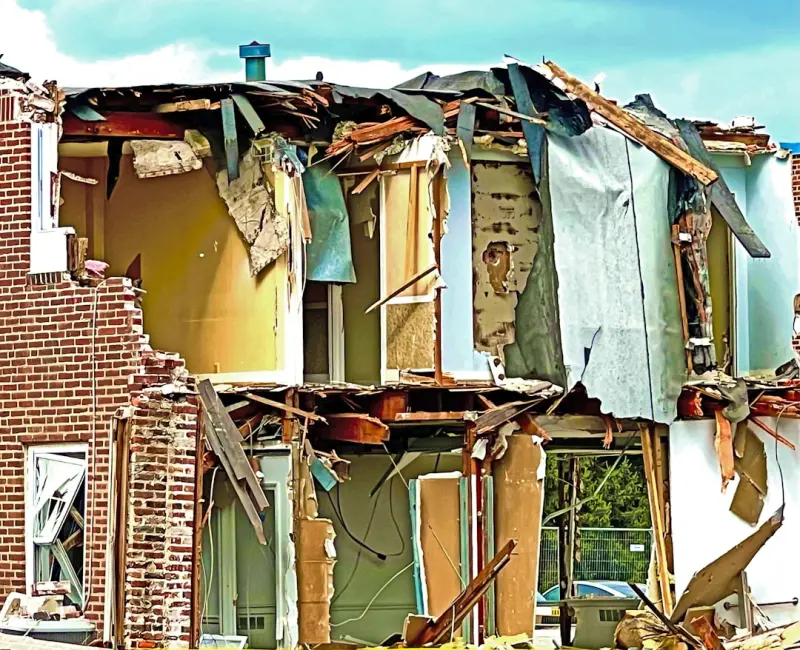
Building a Weather-Resilient Home Without Breaking the Bank
A practical guide from seasoned contractor Craig Brett on creating a weather‑resilient home through smart sealing, insulation upgrades, roof maintenance, and ...Read More

Breathing New Life into Your Outdoor Space: The Transformative Power of Awnings
Awnings can transform your outdoor space into a haven of comfort and style. Learn about the benefits, styles, and installation options of awnings....Read More
0 Comments
Post Comment
You will need to Login or Register to comment on this post!