
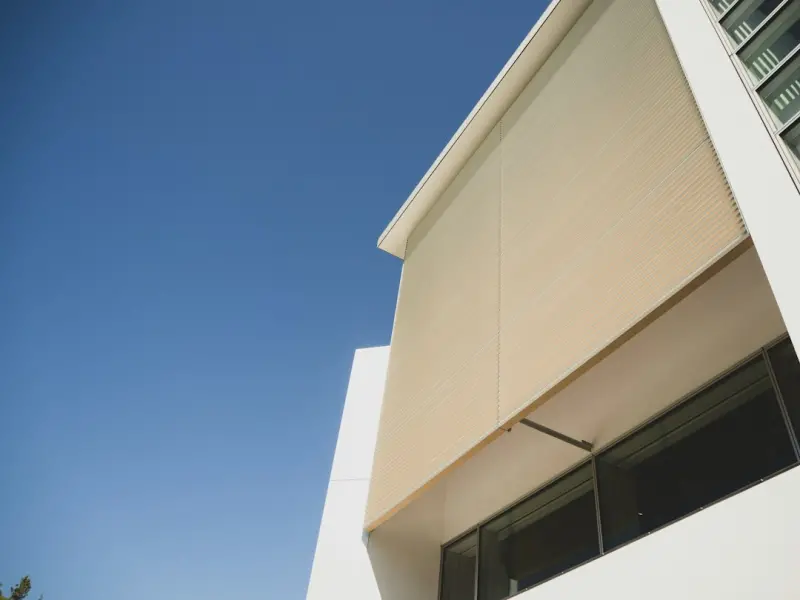
Rethinking the Awning: From Simple Shade to a Climate‑Smart Facade Asset
When you glance at a storefront or a suburban home, the awning is often the first thing you notice—a splash of color, a promise of shade, a visual cue that says “welcome.” Yet in the broader conversation about sustainable building envelopes, awnings rarely get the spotlight they deserve. They sit in the shadows of solar panels, green walls, and high‑tech façades, even though they hold untapped potential to improve energy performance, comfort, and even brand identity. In this post, I’ll walk you through a fresh, actionable perspective on awnings: how they can become a climate‑smart facade asset that works in concert with the rest of the building envelope, rather than merely a decorative afterthought.
Why Awnings Matter More Than You Think
First, let’s bust the myth that an awning is just a cheap sun blocker. Modern awnings—whether retractable, fixed, fabric‑based, or metal—affect three core performance metrics:
- Solar Heat Gain Reduction: By shading windows and doors, awnings can cut interior cooling loads by up to 30 % in hot climates.
- Daylighting Optimization: When designed correctly, an awning allows diffused natural light to penetrate deeper, reducing the need for artificial lighting while avoiding glare.
- Weather Protection: Beyond sun, awnings shield entryways from rain, snow, and even wind‑driven debris, extending the lifespan of doors, frames, and exterior finishes.
When you combine these benefits, the cumulative effect on energy use, occupant comfort, and maintenance costs is significant—especially for commercial properties that operate on tight margins.
Integrating Awnings Into a Holistic Facade Strategy
Think of a building envelope as a symphony. The roof, walls, windows, and shading devices each play a part. If you only focus on the “soloists” (solar panels, high‑performance glazing), you miss the harmonics that an intelligently designed awning can provide.
Here’s a step‑by‑step framework to embed awnings into a holistic facade strategy:
- Perform a Solar Path Analysis. Use tools like SunCalc or Revit’s solar studies to map peak sun angles on each façade. This tells you exactly where shading is most needed.
- Choose the Right Awning Type. Fixed metal awnings are great for permanent shading, while motorized fabric awnings offer flexibility for seasonal adjustments.
- Coordinate With Window Glazing. Pair high‑performance low‑e glass with awning depth calculations to avoid over‑shading (which can lead to under‑lighting).
- Integrate Controls. Connect motorized awnings to your building automation system (BAS). The system can open or close them based on temperature, occupancy, or daylight sensors—turning a passive element into an active energy manager.
- Leverage Aesthetics for Branding. Use custom graphics or color palettes that align with your brand identity. A well‑designed awning becomes a 3‑D billboard that also does work.
By treating awnings as dynamic, controllable parts of the envelope, you unlock a new layer of performance that complements Facade Revival: Sustainable Strategies for Restoring Your Home’s Exterior and the broader sustainability narrative.
Case Study: A Boutique Retailer Turns Its Awning Into a Revenue Generator
Imagine a boutique clothing store located on a bustling downtown street. The owner, Maya, was frustrated with high electricity bills during summer because the shop’s glass storefront acted like a greenhouse. She also wanted a way to stand out in a sea of similar storefronts.
After a quick solar analysis, Maya installed a motorized, double‑layer fabric awning with a built‑in photovoltaic (PV) film. Here’s what happened:
- Energy Savings: The PV film generated roughly 150 kWh per month, offsetting about 10 % of the store’s lighting load.
- Cooling Load Reduction: The awning cut interior temperatures by an average of 5 °C, translating into a 25 % reduction in AC runtime.
- Brand Visibility: The awning’s graphic design featured Maya’s signature pattern, making the storefront instantly recognizable from a block away.
- Data Insights: Integrated sensors fed real‑time shading data into the store’s BAS, allowing Maya to schedule awning adjustments based on occupancy patterns.
Within six months, Maya reported a 12 % drop in overall energy costs and a noticeable uptick in foot traffic, proving that awnings can be both an aesthetic and an economic lever.
Designing Awnings for Seasonal Narratives
One often overlooked dimension of awning design is its ability to tell a seasonal story. Just as a landscape can shift to highlight pollinators in spring or provide rain gardens in fall, awnings can be programmed to change color, opacity, or even shape throughout the year.
Take a community center that wants to celebrate local festivals. By using programmable LED‑infused fabric awnings, the building can transition from a bright, warm hue in summer to a cool, muted tone in winter, aligning the visual language of the façade with the community’s cultural calendar. This concept dovetails nicely with the ideas in Designing a Seasonal Narrative Landscape, extending the narrative from the ground up to the roofline.
Materials Matter: From Traditional Canvas to High‑Tech Composites
Choosing the right material is crucial for longevity, performance, and maintenance. Below is a quick guide to the most common awning materials and their pros/cons:
| Material | Durability | Solar Control | Maintenance |
|---|---|---|---|
| Aluminum (fixed) | 20‑30 years | Excellent (reflective finishes) | Low |
| Polyester canvas (retractable) | 5‑10 years | Good (coated fabrics) | Medium (cleaning) |
| PTFE‑coated fiberglass | 15‑20 years | Very good (high UV resistance) | Low |
| Smart textile with integrated PV | 10‑15 years | Excellent (energy generation) | Medium |
When sustainability is a priority, look for recyclable metal frames and fabrics with low VOC (volatile organic compound) coatings. Some manufacturers now offer take‑back programs that reclaim and recycle end‑of‑life awning components.
Control Systems: Turning Passive Shade Into Active Energy Management
Automation is the missing link that transforms a static awning into a responsive building skin. Here’s how a modern control system can work:
- Temperature Sensors on the interior surface trigger awning deployment when indoor temps exceed a set point.
- Photocells measure solar irradiance and adjust the awning angle to optimize daylight without causing glare.
- Wind Sensors automatically retract the awning to prevent damage during high‑speed gusts.
- Integration with BMS lets facility managers view awning performance alongside HVAC, lighting, and occupancy data.
In practice, a well‑tuned system can shave 5‑15 % off a building’s cooling load, while also extending the awning’s service life by avoiding wind‑related wear.
Retrofitting Existing Buildings: A Low‑Cost Path to Performance
Many building owners assume that to reap the benefits of awning‑based shading, they must embark on a full façade overhaul. That’s not the case. Retrofitting an existing structure with a well‑designed awning is often the most cost‑effective climate upgrade you can make. Here’s a quick retrofitting checklist:
- Assess Structural Capacity: Verify that the wall can support the awning’s weight and wind loads.
- Choose a Compatible Mounting System: Many awning manufacturers offer bracket kits that bolt directly onto masonry, steel studs, or wood framing.
- Plan for Power: If you opt for motorized or PV‑integrated awnings, ensure a nearby power source or conduit is available.
- Coordinate with Existing Glazing: Confirm that the awning’s shade line does not interfere with existing window trim or hardware.
- Schedule Installation During Low‑Occupancy Periods: This minimizes disruption for commercial tenants.
Even a modest 10‑foot by 8‑foot motorized awning can deliver measurable energy savings, making it an attractive first step for owners hesitant to commit to larger envelope upgrades.
Future Outlook: Awnings in the Age of Data‑Driven Urbanism
While we’re not venturing into the “smart awning” territory covered in the “Awning Evolution” post, it’s worth noting the emerging data ecosystem surrounding shading devices. Imagine a city‑wide platform where awning performance data (deployment frequency, energy generation, wind retractions) feeds into an urban analytics dashboard. Planners could then optimize street‑level microclimates, reduce urban heat island effects, and even inform pedestrian comfort studies.
Even if you’re not ready for city‑scale integration, start small: log the times your awning opens and closes, track interior temperature swings, and compare monthly energy bills before and after installation. Those data points will build a compelling business case for further investments.
Takeaway Checklist
- Map solar exposure on each façade.
- Select a material that balances durability, solar control, and aesthetics.
- Integrate awning controls with your building automation system.
- Use awnings to reinforce seasonal branding or community narratives.
- Consider retrofitting as a low‑cost, high‑impact upgrade.
By reimagining awnings as dynamic, data‑informed, and brand‑enhancing components of the building envelope, you unlock a suite of benefits that go far beyond simple shade. Whether you’re a small retail owner, a facilities manager for a corporate campus, or an architect shaping the next generation of sustainable façades, it’s time to give the awning the strategic attention it deserves.

Paul Gray is a dynamic blogger based in Brampton, where he shares his life with his amazing wife, Sarah. Known for his engaging writing style and relatable insights, Paul has carved out a niche in the blogging world that resonates with readers from all walks of life. When he's not crafting captivating posts, you can find him savoring a cold beer or indulging in the latest blockbuster movie. With a friendly demeanor and a passion for storytelling, Paul brings a unique perspective to his work, making him not just a blogger, but a voice for those who appreciate the simple joys of life.
Related Posts
Shade and Style: Transforming Outdoor Spaces with Smart Awnings
Explore the art of selecting, installing, and maintaining smart awnings that blend style, sustainabi... Read More
Kinetic Awnings: Redefining the Commercial Facade
Kinetic awnings are evolving from simple shade to interactive, data‑rich interfaces that cut energ... Read More

Awning Innovation: Smart Shade Solutions for Modern Living
Explore the evolution of awnings from simple shade to AI‑driven, solar‑powered extensions that e... Read More
Top Posts

Silent Water Intruders: Mastering Hidden Leak Detection for a Healthy Home
Learn how to detect invisible leaks before they cause damage. From acoustic listening devices to smart sensors and pressure testing, Paul Gray shares pro tips t...Read More

Harvesting Rain: How Modern Gutter Systems Power Sustainable Buildings
Rain‑harvesting gutters transform a simple roof accessory into a powerful sustainability tool, delivering water savings, protecting foundations, and enhancing...Read More
Mold Removal Mastery: Detect, Eradicate, and Prevent Hidden Growth
Learn how to detect unseen mold, execute a thorough removal, and use smart tech to prevent future infestations—protecting health and home value....Read More
Sustainable Windows and Doors: A Guide to Energy-Efficient Home Upgrades
Explore the world of sustainable windows and doors, focusing on their benefits, types, and considerations for upgrading your home to a more energy-efficient and...Read More
0 Comments
Post Comment
You will need to Login or Register to comment on this post!