

Why Fencing Is More Than a Simple Boundary
When I first started swapping stories with homeowners about their outdoor spaces, I realized that a fence is rarely just a line in the sand; it’s a statement of identity, a silent negotiator of privacy, and a surprisingly powerful tool for shaping how we experience our yards. Modern homeowners crave a fence that protects without imprisoning, one that whispers elegance while shouting durability, and that can adapt to shifting seasons, pets, children, and even the occasional rogue squirrel. The challenge, then, is to blend form, function, and future‑proofing into a single, cohesive perimeter that feels as natural as the grass beneath it yet as smart as the devices we already trust in our homes.
Smart Fencing: Bringing IoT to the Perimeter
Imagine a fence that not only marks your property but also talks back, sending alerts when a gate is left ajar, monitoring soil moisture at its base, and even powering low‑energy LED strips that change hue with the sunset. By embedding tiny sensors and low‑power processors, you can transform a static wood panel into a living component of your home’s ecosystem, feeding data into the same hub that controls your thermostat and security cameras. This integration means you can receive real‑time notifications on your phone, schedule automated gate closures, or trigger irrigation when the fence’s embedded moisture probes detect dry soil—effectively turning a boundary into a multi‑functional smart platform. For a deeper dive into how smart tech can harmonize with outdoor design, see the insights on adaptive biophilic architecture.
Sustainable Materials: From Reclaimed Wood to Bio‑Composite Panels
Eco‑conscious homeowners are no longer satisfied with merely choosing a low‑maintenance finish; they demand materials that reduce carbon footprints, resist rot, and blend seamlessly with native landscapes. Reclaimed barn wood, for instance, brings a weathered patina and a story of past lives, while bio‑composite panels—crafted from recycled agricultural fibers and bio‑based resins—offer the durability of traditional lumber without the associated deforestation. These options also pair well with modular construction methods, allowing sections to be swapped out as styles evolve or as climate conditions demand more resilience. The added benefit? Many of these sustainable choices qualify for green‑building credits, turning your fence into a small but meaningful contribution toward broader environmental goals.
Designing Fencing for Aesthetic Harmony
Great fence design begins with context: the architectural language of your home, the surrounding flora, and the flow of foot traffic. A contemporary glass panel can create a seamless visual connection to a garden, while a lattice of reclaimed metal adds industrial flair to a mid‑century modern residence. By employing a mix of vertical and horizontal elements, you can manipulate perceived space—making a modest lot feel expansive or providing a sense of enclosure for a bustling family hub. Pairing color—perhaps a muted sage green that echoes nearby hedges—with texture, such as a subtle rough‑sawn finish, ensures the fence becomes a unifying backdrop rather than a visual obstacle. Below is a quick checklist to keep your design on point:
- Match material palette to house façade.
- Consider line of sight and privacy needs.
- Integrate plantings that climb or soften edges.
- Plan for future upgrades, like lighting or sensors.
Maintenance Made Easy with Predictive Analytics
Traditional fence upkeep—scraping, staining, replacing rotted posts—can feel like a never‑ending chore, but predictive analytics can shift the paradigm from reactive to proactive. By coupling moisture sensors with weather data feeds, the fence’s smart brain can forecast when wood is likely to swell, when metal may begin to corrode, and when a coating will need refreshing. The system then schedules maintenance alerts, suggesting the optimal time to apply a protective sealant before damage sets in, or even ordering replacement components automatically. This data‑driven approach not only extends the lifespan of your fence but also saves you money by preventing costly emergency repairs.
Case Study: A Neighborhood Revitalized by Adaptive Fencing
In a quiet suburban enclave that struggled with low curb appeal and fragmented property lines, a pilot project introduced adaptive fencing equipped with solar‑powered sensors and modular bio‑composite panels. Residents reported a 40 % reduction in unauthorized gate usage, thanks to real‑time alerts, while the integrated solar strips illuminated pathways, reducing the need for separate garden lighting. The aesthetic upgrade—combining reclaimed timber with sleek metal accents—sparked a wave of property‑value increases, and the community’s homeowners association saw a surge in volunteer participation for shared maintenance. This success story underscores how a well‑thought‑out fence can act as a catalyst for broader neighborhood cohesion and pride.
Choosing the Right Contractor and Technology Partner
When you decide to invest in a smart, sustainable fence, the expertise of both a seasoned fencing contractor and a reliable IoT integrator becomes critical. Look for installers who have a portfolio of projects featuring reclaimed materials or bio‑composites, and verify that they understand local climate challenges—such as salt‑air corrosion for coastal properties or high humidity for inland regions. On the tech side, partner with a provider whose platform is open‑source, allowing you to integrate future devices without being locked into a single ecosystem. Transparency in warranty terms, clear timelines, and a willingness to provide ongoing support for firmware updates are also essential markers of a trustworthy collaborator.
Future Trends: Modular, Self‑Healing, and Energy‑Generating Fences
The next wave of fencing will likely embrace modular construction kits that snap together like building blocks, enabling homeowners to reconfigure layouts as their needs shift—whether that means adding a pet run, expanding a garden, or creating a temporary outdoor office. Researchers are also experimenting with self‑healing polymers that seal cracks automatically, dramatically extending service life. Perhaps most exciting is the emergence of energy‑generating fences that embed thin‑film solar cells or kinetic tiles, turning every gust of wind or footstep into a micro‑power source for garden lights or low‑energy devices. To see how other smart outdoor solutions are being integrated, check out the ideas in smart gutter strategies, which illustrate the power of unified, data‑driven landscapes.
Putting It All Together: A Blueprint for the Modern Fence
In sum, a forward‑thinking fence should be viewed as a living, breathing component of your property—one that safeguards, beautifies, and communicates with the rest of your home’s smart ecosystem. Start by defining your primary goals—privacy, aesthetics, sustainability, or tech integration—and then select materials that align with those aims while respecting your local environment. Engage professionals who can marry craftsmanship with cutting‑edge sensors, and embrace predictive maintenance tools that keep your perimeter performing at peak efficiency. With the right blend of design, technology, and sustainable practices, your fence will not only demarcate space but also elevate the everyday experience of living outdoors.

Tom Ferguson is a Canadian freelance writer with a passion for storytelling, current events, and thoughtful commentary. Drawing on years of writing experience, he shares engaging insights on a wide range of topics, bringing a uniquely Canadian perspective to his work.
Related Posts

The Evolution of Sustainable Fencing: A Comprehensive Guide
Learn about the evolution of sustainable fencing and how to make eco-friendly choices for your home.... Read More
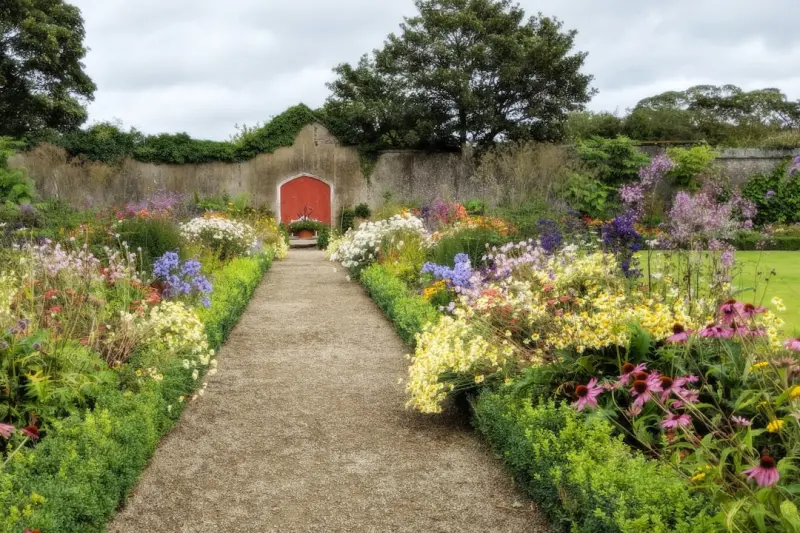
From Garden Border to Personal Canvas: Rethinking Fencing for Modern Living
Explore how to turn a simple fence into a sustainable, smart, and artistic statement that reflects y... Read More

The Evolution of Sustainable Fencing: A Comprehensive Guide to Eco-Friendly Outdoor Spaces
Sustainable fencing is a critical aspect of eco-friendly outdoor design. Learn about the evolution o... Read More
Top Posts

Reimagining Furniture Restoration: Craft Meets Science
A deep dive into merging traditional woodworking skills with modern science, offering step‑by‑step diagnostics, material selection, and protective strategie...Read More

Embracing Sustainable Practices in Commercial Renovations
Sustainable commercial renovations are no longer a niche consideration; they've become a business imperative. Learn how businesses can prioritize sustainability...Read More
Beyond Aesthetics: The Untold Story of Countertops That Shape Your Kitchen Experience
Explore the hidden narratives of countertops—from geology and sustainability to health benefits and integrated technology—through a seasoned designer’s ey...Read More

From Showpiece to Food Source: Transforming Your Landscape into a Sustainable Harvest
Learn how to redesign your landscape for food, wildlife, and water efficiency, creating a beautiful, sustainable garden that feeds both family and ecosystem....Read More
0 Comments
Post Comment
You will need to Login or Register to comment on this post!