
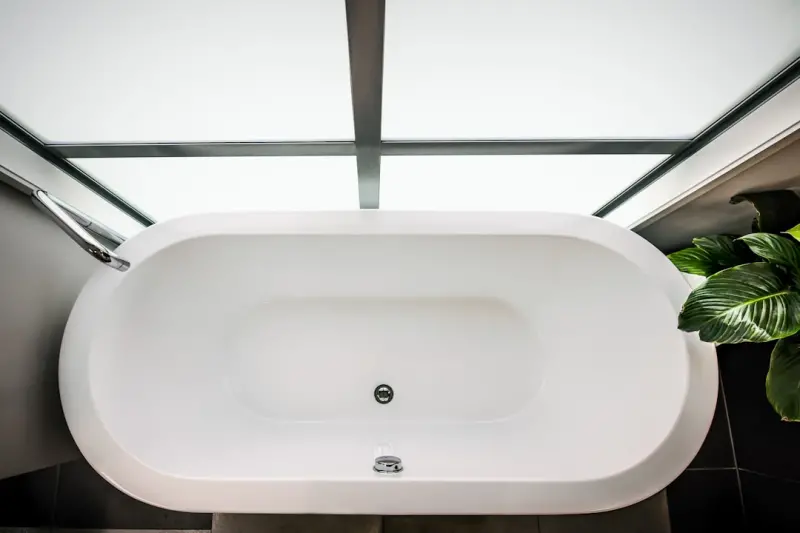
The Hidden Cost of Ignoring a Worn Tub
When a bathtub starts to look like a relic from the ’70s—chips, stains, and a glaze that has long since lost its shine—it’s tempting to write it off and move on to a full replacement. That decision, however, carries hidden financial and operational penalties that most property managers overlook. A deteriorating tub can become a source of tenant complaints, increase water‑damage risk, and drag down the perceived value of an entire unit. In my ten‑year run consulting for multifamily owners, I’ve watched the same pattern repeat: a modest investment in bathtub refinishing pays for itself many times over, while a full replacement often eats up a disproportionate share of the renovation budget.
Environmental Edge: Refinishing vs. Replacement
Beyond the balance sheet, there’s a sustainability story that’s gaining traction in the industry. A single bathtub weighs between 150‑200 pounds of porcelain, ceramic, or acrylic. Tossing that material into a landfill generates a sizable carbon footprint—both from the manufacturing of a new unit and the transportation logistics involved. Refinishing, by contrast, re‑coats the existing shell with a high‑performance, low‑VOC (volatile organic compounds) resin that adheres to the substrate without the need for a new core.
- Material waste reduction: Up to 95% of the original tub is retained.
- Energy savings: Manufacturing a new tub consumes roughly 1,200 kWh; refinishing needs a fraction of that.
- Lower emissions: Shipping a new bathtub from a factory can generate 150‑200 lbs of CO₂, whereas a local refinishing crew travels a few miles with a spray rig.
When you position bathtub refinishing as part of a broader handyman subscription service, you embed these environmental wins into a recurring maintenance model that keeps properties greener, quieter, and more cost‑predictable.
Tech Advances in Coatings: From Epoxy to Nanotech
The biggest misconception about refinishing is that it’s a “quick fix” using outdated epoxy. Modern refinishing labs have moved beyond standard epoxy into hybrid urethane‑epoxy systems, nano‑ceramic coatings, and even graphene‑infused layers that dramatically improve hardness, slip resistance, and longevity.
Key performance metrics you should be asking your contractor about include:
- Hardness (Shore D rating): Newer coatings hit 80‑90, meaning they resist scratches from bath accessories.
- Slip‑resistance (ASTM C1028): A rating of 0.5 or lower is considered “wet‑slip safe.”
- Warranty period: Top‑tier systems back their work with 10‑15‑year guarantees, compared to the 1‑2‑year span of older epoxies.
These advancements also enable the incorporation of smart coatings—thin layers that can change color when exposed to high humidity or temperature spikes, acting as an early warning system for potential leaks. Imagine a bathtub that subtly shifts hue if a pipe begins to overheat; that data can feed directly into a building‑management platform, triggering preventive maintenance before a costly flood occurs.
How to Vet a Refinishing Contractor
Choosing the right partner is where many owners stumble. The market is flooded with “quick‑dry” services that cut corners on surface preparation, leading to premature peeling. Here’s my checklist for vetting a refinishing crew:
- Portfolio of recent work: Ask for before‑and‑after photos of projects similar in size and material to yours.
- Surface‑prep process documentation: Proper sanding, cleaning, and etching are non‑negotiable steps.
- Material safety data sheets (MSDS): Verify low‑VOC and compliance with local air‑quality regulations.
- Warranty and post‑service support: A reputable contractor should stand behind the finish for at least a decade.
- Certification and training: Look for crews certified by the National Association of the Remodeling Industry (NARI) or similar bodies.
If the contractor can walk you through each of these points, you’re likely dealing with a team that treats refinishing as a craft, not a commodity.
Long‑Term ROI for Property Owners
Let’s run a quick numbers‑play. A typical mid‑size bathtub refinishing job costs between $600‑$1,200, depending on size and coating type. A full replacement—including demolition, disposal, new unit, plumbing adjustments, and finish—often lands between $3,500‑$5,000.
Assuming a 5‑year holding period for a rental unit, the cost difference translates into a net cash‑flow advantage of roughly $2,500‑$3,500, not to mention the saved time (refinishing can be completed in 1‑2 days versus a week or more for replacement). When you factor in the added tenant satisfaction and lower vacancy turnover, the ROI curve becomes even steeper.
Integrating Refinishing into a Smart Home Strategy
Smart homes are no longer a futuristic fantasy; they’re the new baseline for upscale rentals. While most smart‑home conversations focus on lighting, thermostats, or locks, the bathroom is an untapped arena. By selecting a coating that can host embedded sensors, you turn a simple bathtub into a data source. These sensors can monitor:
- Temperature fluctuations that indicate heating element issues.
- Humidity levels that hint at ventilation problems.
- Water usage patterns for leak detection and conservation reporting.
Integrating this data into your property‑management software creates a predictive maintenance workflow. Instead of reacting to a tenant call after a leak has already caused damage, you can schedule a technician the moment the sensor flags an anomaly.
Future‑Proofing Your Bathroom Asset
What does “future‑proof” mean in the context of a bathtub? It’s the ability to adapt the fixture to emerging trends without a full‑scale demolition. Here are three ways refinishing sets the stage:
- Modular accessories: With a smooth, high‑grade coating, you can affix magnetic or suction‑based accessories—like handheld shower heads, LED strips, or Bluetooth speakers—without compromising the finish.
- Color‑swap capability: Many nano‑coatings can be re‑painted using the same system, letting you change the tub’s hue to match evolving design palettes without a full replace.
- Regulatory compliance: As building codes tighten around slip resistance and water efficiency, a refinished tub can be upgraded with low‑flow fixtures and slip‑enhancing textures without the need for a new core.
In short, a well‑executed refinishing project is a platform, not a finish line.
Case Study: A 120‑Unit Apartment Complex
One of my recent clients, a 120‑unit garden‑style community, faced a wave of tenant complaints about aging tubs. The property manager initially earmarked $400,000 for full replacements, but the budget didn’t align with other capital‑improvement priorities. We proposed a phased refinishing approach:
- Phase 1: Refinish 40 units with a premium nano‑ceramic coating, integrate humidity sensors, and install low‑flow faucet aerators.
- Phase 2: Monitor performance metrics (leak incidents, tenant satisfaction scores, utility usage) for six months.
- Phase 3: Scale the solution to the remaining 80 units based on data‑driven ROI.
The results were compelling: a 30% drop in maintenance tickets related to tubs, a 12% reduction in water usage, and an average 4.5‑star rating in post‑renovation tenant surveys. The total spend was $75,000—roughly one‑sixth of the original replacement budget—while the property’s net operating income (NOI) rose by 1.8% due to lower vacancy turnover.
Practical Tips for DIY‑Savvy Property Managers
If you’re a hands‑on manager who likes to keep a few projects in‑house, here are three do‑it‑yourself guidelines that won’t jeopardize the quality of a professional finish:
- Surface preparation is king: Use a dual‑action orbital sander with 120‑grit paper, then clean with a trisodium phosphate (TSP) solution to remove oils.
- Temperature control: Apply coating in a space maintained between 65‑75°F and 40‑50% relative humidity for optimal curing.
- Thin, even coats: Two coats of a 2‑mil thickness each provide the best balance of durability and flexibility.
Even with these steps, I still recommend a licensed contractor for the final coat. The chemistry involved—especially with newer hybrid systems—requires precise mixing ratios and cure times that are hard to replicate without proper training.
Conclusion: A Strategic Asset, Not Just a Cosmetic Fix
Bathtub refinishing sits at the intersection of cost efficiency, sustainability, and technological innovation. It empowers property owners to deliver fresh, attractive bathrooms without the disruption and expense of full replacements. By selecting the right coating technology, integrating sensor data, and partnering with vetted professionals, you turn a routine maintenance task into a strategic differentiator that boosts tenant satisfaction, reduces waste, and protects your bottom line for years to come.

Craig Brett is a freelancer with a passion for the outdoors. His love for nature inspires his work, bringing authentic and engaging perspectives to projects related to outdoor activities, adventure, and environmental topics.
Related Posts
Reviving Your Tub: A Personal Bathtub Refinishing Journey
Rose shares her hands‑on bathtub refinishing story, revealing the tools, sustainable tips, and cos... Read More
The Untapped Financial Upside of Bathtub Refinishing
Bathtub refinishing offers a low‑cost, quick‑turnaround alternative to replacement, delivering s... Read More
The Quiet Revolution: How Bathtub Refinishing Elevates Design, Health, and Value
Bathtub refinishing is more than a quick cosmetic fix; it’s a strategic upgrade that enhances aest... Read More
Top Posts
Smart Carpet Care: Harnessing IoT and AI for Spotless Floors
Intelligent carpet care combines sensors, AI analytics, and automation to predict cleaning needs, cut water and chemical use, and extend carpet life—turning f...Read More
Transforming My Backyard: A Sustainable Landscaping Journey
A personal guide to turning your yard into a sustainable oasis, featuring native planting, permeable pathways, and solar‑powered lighting....Read More
Future‑Ready Garage Design: From Car Shelter to Multi‑Use Hub
Learn how to turn a traditional garage into a versatile, energy‑efficient hub that supports cars, workshops, home offices, and even autonomous vehicle tech....Read More

Breathing New Life into Your Outdoor Space: The Transformative Power of Awnings
Awnings can transform your outdoor space into a haven of comfort and style. Learn about the benefits, styles, and installation options of awnings....Read More
0 Comments
Post Comment
You will need to Login or Register to comment on this post!