
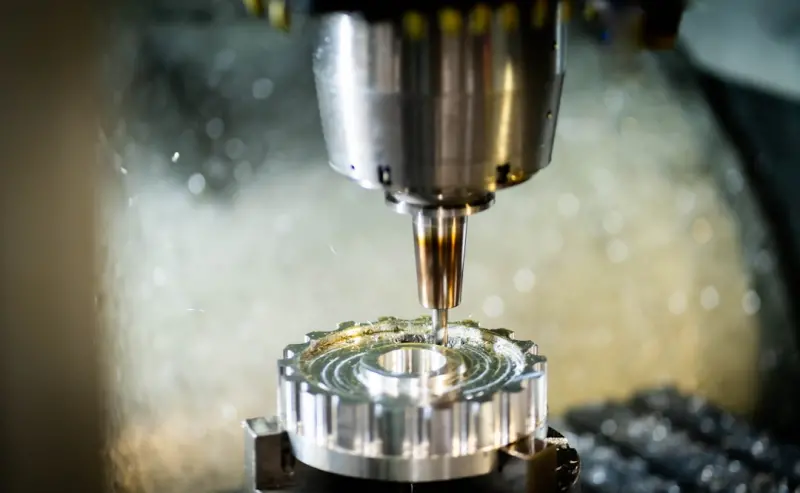
Why CNC is No Longer a Luxury Reserved for Big Factories
When I first walked into my grandfather’s workshop, the air smelled of fresh pine shavings and the rhythmic thump of a hand‑driven planer. Those mornings taught me that woodworking is as much about the feel of a tool in your hand as it is about the final piece. Fast forward to today, and a compact, desktop‑sized CNC router can sit on the same workbench where a hand‑plane once reigned supreme. The democratization of computer‑numerical‑control (CNC) technology has sparked a quiet revolution among independent makers, hobbyists, and small‑shop entrepreneurs who once thought precision carving was out of reach.
In this article I’ll walk you through the practical realities of integrating CNC into a modest woodworking shop, the compromises you’ll face, and how to preserve the soul of handcraft while leveraging the power of automation. Whether you’re looking to expand your product line, reduce material waste, or simply explore a new creative frontier, the strategies below will help you strike the right balance.
The Myth of the Lone Artisan
For decades the romantic image of the lone woodworker—sawing, sanding, and shaping each piece from start to finish—has been the cornerstone of woodworking lore. That myth persists because it resonates with a desire for control, authenticity, and artistic purity. Yet clinging to that image can become a bottleneck when demand spikes or when precision is paramount.
Modern customers often request tight tolerances, repeatable designs, or complex geometries that would take an artisan days—or even weeks—to achieve by hand. The solution isn’t to abandon your craft; it’s to augment it with tools that handle the repetitive, high‑precision tasks while you focus on design, finishing, and the nuanced decisions that machines can’t replicate.
Think of CNC as a highly skilled apprentice who never tires, never complains about the heat, and can execute the same cut a thousand times with micron‑level accuracy. You remain the master designer, the final finisher, the storyteller behind each piece.
The CNC Toolkit for Small Shops
Before you rush to purchase the biggest machine on the market, take inventory of the space, budget, and workflow constraints you actually have. Here’s a breakdown of the essential components you’ll need:
- Router/Spindle: For a small shop, a 2‑4 kW spindle mounted on a sturdy gantry will handle most hardwoods, softwoods, and engineered boards. Look for variable speed control (8 k–30 k rpm) to optimize cut quality for different materials.
- Controller & Software: Open‑source options like LinuxCNC or affordable commercial packages such as VCarve Pro give you the flexibility to import vector files, generate toolpaths, and simulate cuts. The learning curve is real, but the community support is vast.
- Workholding: Vacuum tables, modular clamps, and T‑slot plates let you secure workpieces quickly while maintaining repeatable positioning.
- Dust Extraction: CNC generates fine particulate matter. A well‑sealed dust hood coupled with a cyclone separator protects both the machine and your health.
- Safety Gear: Hearing protection, safety glasses, and a well‑ventilated area are non‑negotiable.
Many small‑shop owners start with a benchtop router and upgrade incrementally as demand grows. The key is to design a workflow that lets the CNC handle the bulk of the material removal while you retain the finishing touches that give each piece character.
Balancing Precision and Soul
One of the biggest fears when introducing CNC is that your work will lose its “hand‑made” vibe. The truth is, the machine only handles the steps you program; the artistic decisions—grain orientation, joinery style, hand‑applied finishes—still belong to you.
Here are three practical ways to keep the human element front and center:
- Hybrid Joinery: Use CNC to cut mortises, dovetails, or box‑joints with perfect fit, then hand‑assemble and glue them. The tight tolerance eliminates gaps, while the tactile process of fitting the joints preserves the craft feel.
- Selective Hand‑Finishing: After the CNC shapes the raw form, apply hand‑sanding, hand‑carving, or hand‑burning to introduce subtle variations that a machine cannot duplicate.
- Custom Inlays and Accents: Reserve the CNC for the primary geometry, and then incorporate hand‑laid veneer, epoxy river, or metal accents that you install manually.
By treating the CNC as a “precision partner” rather than a replacement, you maintain authenticity while expanding your creative possibilities.
Material Selection in the Digital Age
With CNC, the cost of material waste can be dramatically reduced. The software allows you to nest multiple parts on a single sheet, optimizing grain usage and minimizing off‑cuts. This is especially valuable when working with exotic hardwoods, reclaimed lumber, or high‑grade plywood, where each board can be a significant expense.
Moreover, CNC opens the door to new material families:
- Composite Panels: MDF, plywood, and bamboo panels can be machined for intricate patterns that would be labor‑intensive to achieve by hand.
- 3‑D‑Printed Inserts: Combine CNC‑cut wood with 3‑D‑printed metal or polymer components for hybrid furniture that blends the warmth of wood with the precision of additive manufacturing.
- Bio‑Based Resins: Use CNC to shape molds for casting eco‑friendly resin components that match the aesthetics of wood but provide functional benefits like water resistance.
Sustainability and Waste Management
One of the most rewarding aspects of integrating CNC is the ability to track material usage down to the gram. Modern CAM software can generate a material usage report after each job, highlighting scrap percentages and suggesting more efficient nesting for future runs.
To close the loop, consider setting up a material recycling station in your shop where off‑cuts are sorted for repurposing into small accessories, decorative panels, or even fuel for a wood‑burning stove. This not only reduces waste but can become a source of additional product lines, such as coasters, wall art, or acoustic panels.
Integrating Smart Features into Woodwork
The rise of IoT (Internet of Things) is not limited to smart thermostats and lighting. Today, you can embed sensors, Bluetooth speakers, or wireless charging pads directly into wooden furniture. This convergence of tech and timber is a natural evolution for makers who want to offer “smart” pieces without compromising on craftsmanship.
Start small: route a shallow channel for a wireless charging coil in a bedside table, or embed a low‑profile temperature sensor in a coffee table to trigger a subtle LED glow when a drink is placed on it. These integrations can be designed in your CAD software and executed on the CNC router, ensuring perfect alignment each time.
Pricing and Workflow Considerations
Introducing CNC does affect your cost structure. While the initial capital outlay can be significant, the long‑term savings in labor hours and material waste often offset the expense within a few high‑margin projects.
Here’s a simple workflow to keep your margins healthy:
- Design Phase: Draft the part in CAD, simulate toolpaths, and calculate material usage.
- Quote Generation: Use the material usage report to price raw material, machine time (usually charged per hour of spindle operation), and finishing labor.
- Batch Production: Group similar jobs to maximize nesting efficiency and reduce set‑up time.
- Finishing & Assembly: Allocate a dedicated finishing station for hand‑applied stains, oils, or lacquers.
- Quality Control: Perform a final inspection for dimensional accuracy and surface finish before shipping.
When you break down the cost per unit, you’ll often find that CNC‑produced parts can command a premium because customers recognize the combination of precision engineering and artisanal finishing.
Community, Learning Resources, and Ongoing Support
One of the most valuable assets a small‑shop woodworker can tap into is the thriving maker community. Online forums, YouTube channels, and local maker spaces provide endless tutorials on everything from spindle selection to advanced toolpath strategies.
Additionally, you can leverage the checklist mindset that many successful renovators use: set clear milestones, document each step, and regularly review outcomes. Applying this systematic approach to CNC projects can dramatically reduce errors and improve repeatability.
Future Outlook: Where Small‑Shop CNC Is Headed
As the cost of high‑resolution cameras, AI‑driven nesting algorithms, and compact spindles continues to drop, the barrier to entry will shrink even further. Expect to see more “plug‑and‑play” CNC kits that integrate directly with cloud‑based design platforms, enabling real‑time collaboration with clients and designers worldwide.
Moreover, the convergence of CNC with other emerging technologies—such as augmented reality (AR) for visualizing a piece in a client’s home, or AI‑assisted design suggestions—will create new opportunities for woodworkers to differentiate themselves. While AR has already made waves in the woodworking community, the next frontier will be AI‑guided material optimization, where the software suggests the most efficient grain layout based on the project’s aesthetic and structural requirements.
By staying adaptable and continuously learning, you can ensure that your workshop remains a vibrant, future‑ready environment where tradition and technology co‑exist in harmony.
Conclusion: The New Craftsmanship Paradigm
The integration of CNC into small‑shop woodworking is not a threat to the craft; it’s an invitation to evolve. By embracing precision tools, you free up mental bandwidth for the creative decisions that truly define your brand. You reduce waste, improve consistency, and open doors to hybrid products that combine the warmth of wood with the convenience of smart technology.
Remember, the goal isn’t to replace the hand‑plane with a router; it’s to let the router do what it does best—repeatable, high‑precision cuts—while you bring the piece to life with your hands, your eye, and your imagination. The result is a richer product line, happier customers, and a workshop that feels both modern and deeply rooted in the timeless art of woodworking.

William Roy is a freelance writer originally from Montreal who moved to Ottawa with his wife of 50 years to be closer to their grandkids. Alongside his writing, William has a passion for fishing.
Related Posts
The Art of Woodworking: A Comprehensive Guide to Creating Beautiful Pieces
Woodworking is a timeless craft that involves creating beautiful and functional pieces of furniture,... Read More

Reviving Hand‑Cut Joinery: A Modern Woodworker’s Journey
Explore the timeless art of hand‑cut joinery, from tools and wood selection to sustainable practic... Read More
When Wood Meets Tech: Crafting Smarter Workshops for the Modern Maker
Explore the convergence of traditional woodworking with cutting‑edge technology—from real‑time... Read More
Top Posts
Design‑Build Blueprint for Net‑Zero Energy Homes
A deep dive into the design‑build process that turns net‑zero energy goals into reality, covering site analysis, envelope design, renewable integration, and...Read More

The Hidden Value of Scheduled Appliance Check‑Ups
Regular appliance check‑ups prevent costly breakdowns, improve safety, and extend device lifespan. Learn a simple 12‑month routine and how to choose the rig...Read More

Transforming Sunrooms into High‑Performance Remote Work Sanctuaries
A sunroom isn’t just a seasonal lounge—when designed for work, it becomes a powerful asset that enhances focus, cuts energy bills, and elevates client exper...Read More

Intelligent Paving: Turning Streets into Data‑Driven, Sustainable Platforms
This article dives into the emerging world of intelligent paving, showing how embedded sensors, permeable surfaces, and energy‑harvesting technologies turn or...Read More
0 Comments
Post Comment
You will need to Login or Register to comment on this post!