

Turning an Old Tub into a Green Asset: The Unexpected Sustainability Upside of Bathtub Refinishing
When homeowners hear the words “bathtub refinishing,” the first images that usually pop up are a glossy finish, a quick turnaround, and a cost saving compared to a full replacement. What rarely gets spotlighted—yet should be front‑and‑center in any renovation conversation—is the profound environmental impact that a single refinishing project can have. In an era where every homeowner is looking for ways to shrink their carbon footprint without sacrificing style, bathtub refinishing emerges as a low‑tech, high‑impact sustainability hack.
The Carbon Cost of a New Tub
On the surface, buying a brand‑new bathtub seems like a straightforward upgrade. Yet the manufacturing chain behind a porcelain‑enameled or acrylic tub is anything but simple. From mining raw minerals and petro‑based resins to the high‑temperature firing processes that give a tub its strength and finish, each step releases significant CO₂ equivalents. According to industry data, the production of a single standard bathtub can generate anywhere from 150 to 250 kg of CO₂—roughly the emissions from driving a midsize car for 500 miles.
Factor in the logistics of shipping a heavy, fragile item across state lines, the waste generated from packaging, and finally the disposal of the old tub (often ending up in a landfill), and the true carbon budget balloons even further. For a homeowner who replaces three tubs over a 20‑year period, those numbers add up quickly, contributing meaningfully to a household’s overall carbon tally.
Refinishing: A Minimal‑Impact Alternative
Bathtub refinishing, by contrast, sidesteps most of these emissions. The process involves:
- Surface preparation: Cleaning, sanding, and repairing any cracks or chips.
- Coating application: Spraying a specially formulated, low‑VOC (volatile organic compounds) epoxy or urethane finish.
- Curing: Allowing the new surface to harden—often using a quick‑dry catalyst that reduces energy use.
Because the underlying tub remains in place, there is no need for raw material extraction, massive kiln energy consumption, or long‑distance freight. The refinishing kit typically weighs under 20 kg, meaning the transport footprint is a fraction of that for a brand‑new unit. Moreover, many refinishing manufacturers now offer bio‑based or recycled‑content coatings that further lower the embodied carbon of the finish.
From Toxicity to Transparency: Low‑VOC Finishes
Traditional refinishing products were once notorious for high VOC levels, which could linger in a bathroom for weeks, impacting indoor air quality. The market has responded. Today, forward‑thinking suppliers produce finishes that meet or exceed green building standards such as GREENGUARD Gold and Green Seal. These low‑VOC options typically emit less than 50 g/L of VOCs, compared to the 200 g/L range of older formulas.
Choosing a low‑VOC product does more than protect the occupant’s lungs; it also reduces the overall chemical load that eventually makes its way into municipal waste streams. For environmentally conscious homeowners, this aligns perfectly with a broader strategy of reducing household toxins—think cleaning products, paints, and now, bathroom finishes.
Extending the Lifecycle of Existing Fixtures
Every piece of hardware in a home has a “useful lifespan” that designers and builders estimate based on wear and tear. By extending that lifespan, refinishing reduces the frequency of replacements, which in turn cuts the cumulative environmental impact. The typical bathtub lasts 15‑20 years before structural issues or aesthetic fatigue push owners toward replacement. A well‑executed refinishing job can add another 10‑12 years of service, effectively postponing the need for a new unit and the associated emissions.
This approach mirrors the “circular economy” philosophy that is gaining traction across industries: keep assets in use for as long as possible, refurbish them responsibly, and recycle at the end of life. Homeowners who adopt refinishing become part of a broader movement that prioritizes resource efficiency over the “buy‑new” mentality.
Financial Upside Meets Environmental Wins
From a pure economics perspective, refinishing typically costs between $300 and $800, whereas a new bathtub—including demolition, removal, and installation—can easily exceed $5,000. This stark price differential is often the headline that draws people in. However, when you factor in the hidden savings—lower disposal fees, reduced shipping emissions, and avoided purchase of new materials—the financial story becomes even more compelling.
For property owners and landlords, the sustainability angle can also translate into marketable benefits. Tenants increasingly value green features, and a “refinished, low‑VOC tub” can be a selling point that differentiates a rental property in a crowded market. While the recent post titled “Strategic Edge of Bathtub Refinishing for Property Managers” focuses on the operational ROI, this article shines a light on the ecological ROI that is equally persuasive for savvy investors.
Health Benefits Beyond the Aesthetics
When you think of a freshly refinished bathtub, you probably picture a gleaming surface that makes your bathroom look brand new. Yet there’s a health narrative that often goes untold. Older tubs can harbor microscopic cracks and porous surfaces where mold, mildew, and bacteria thrive. Even with diligent cleaning, these hidden niches can become sources of indoor allergens.
A modern refinishing coating creates a non‑porous, seamless barrier that inhibits microbial growth. Some premium finishes incorporate antimicrobial additives—silver ions or copper particles—that actively reduce bacterial colonization. For families with young children, seniors, or anyone with respiratory sensitivities, this upgrade can be a quiet but powerful improvement to indoor health.
Design Flexibility: Color, Texture, and Personalization
While the environmental narrative is central, the aesthetic flexibility of refinishing should not be overlooked. Homeowners can select from a palette of colors, from classic whites and deep charcoals to bold hues that make a statement. Textured finishes—matte, satin, or high‑gloss—allow you to tailor the look to your design language without the need for a wholesale replacement.
This customization aligns with a growing trend of “personalized sustainability,” where consumers seek eco‑friendly solutions that also reflect their style. By choosing a finish that matches existing décor, you avoid the visual dissonance that sometimes accompanies a new tub installation, which can require additional tile or fixture updates.
Practical Tips for a Successful, Green Refinishing Project
To maximize the sustainability gains, consider the following best practices:
- Vet your contractor: Look for professionals who use low‑VOC, certified coatings and who follow proper ventilation protocols during application.
- Inspect the substrate: Ensure the tub is structurally sound. Small cracks can be repaired, but major damage may require a full replacement, negating the green benefits.
- Plan for ventilation: Even low‑VOC finishes emit some fumes during curing. Open windows and use fans to keep indoor air fresh.
- Choose a color wisely: Light colors can reflect more light, potentially reducing the need for additional bathroom lighting.
- Maintain the finish: Use pH‑neutral cleaners and avoid abrasive scrubbers to prolong the life of the coating.
Future Trends: Smart Coatings and Integrated Sensors
Innovation in the refinishing space is far from stagnant. Emerging “smart coatings” incorporate conductive polymers that can communicate with bathroom humidity sensors, alerting you to potential leaks before they become costly water damage. While still in early adoption stages, these technologies hint at a future where a simple bathtub can become part of a home’s broader smart‑building ecosystem—providing data that enhances both sustainability and convenience.
Imagine a bathroom that not only looks immaculate after a refinishing job but also feeds real‑time information to a home automation platform, adjusting ventilation fans or sending maintenance reminders. This convergence of low‑impact material science with IoT (Internet of Things) capabilities underscores the untapped potential of what might seem like a humble fixture.
Closing the Loop: End‑of‑Life Considerations
Even with a refinished tub, there comes a day when removal is inevitable. Planning for that eventuality can further cement the sustainability narrative. When the time comes, consider the following steps:
- Donate: If the tub remains structurally sound, local charities or community centers might accept it for reuse.
- Recycling programs: Some municipalities offer specialized recycling for large ceramic or acrylic fixtures, extracting raw materials for new products.
- Responsible disposal: Avoid landfill dumping when possible. A contractor familiar with eco‑friendly disposal can help route the old tub to a proper facility.
By thinking ahead, you ensure that the entire lifecycle of your bathtub—from original installation through multiple refinishing cycles to final disposal—remains as circular as possible.
Bottom Line: A Small Upgrade with Big Implications
Bathtub refinishing is more than a budget‑friendly facelift; it’s a strategic move that aligns financial prudence, health considerations, and environmental stewardship. In a world where sustainable choices are becoming a baseline expectation rather than a niche preference, the decision to refinish rather than replace can serve as a tangible, low‑effort way to demonstrate commitment to greener living.
Whether you’re a homeowner eager to reduce your carbon footprint, a landlord seeking to add value while appealing to eco‑conscious tenants, or a designer looking for ways to marry aesthetics with sustainability, the case for bathtub refinishing is compelling. The next time you stare at an outdated tub, remember that a fresh, low‑VOC coating can turn that eyesore into a silent champion of the planet—one glossy surface at a time.

William Roy is a freelance writer originally from Montreal who moved to Ottawa with his wife of 50 years to be closer to their grandkids. Alongside his writing, William has a passion for fishing.
Related Posts
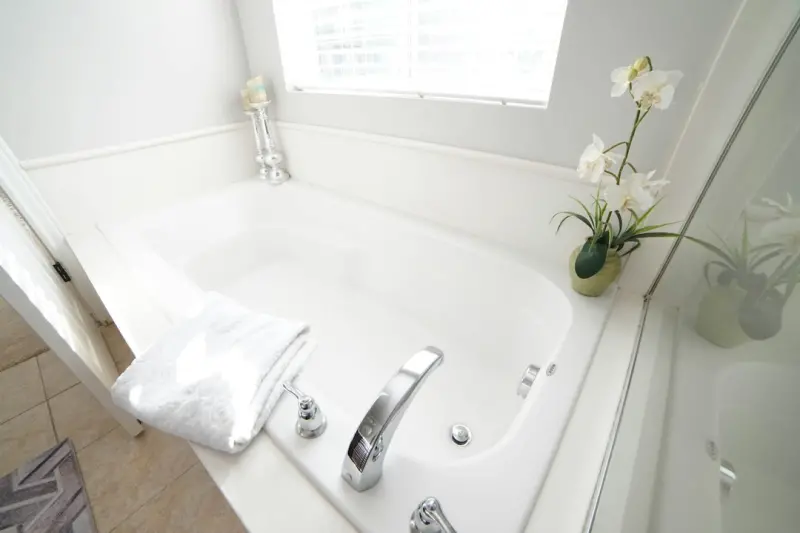
The Strategic Edge of Bathtub Refinishing for Property Managers
Bathtub refinishing isn’t just a cosmetic fix—it’s a cost‑saving, eco‑friendly strategy th... Read More
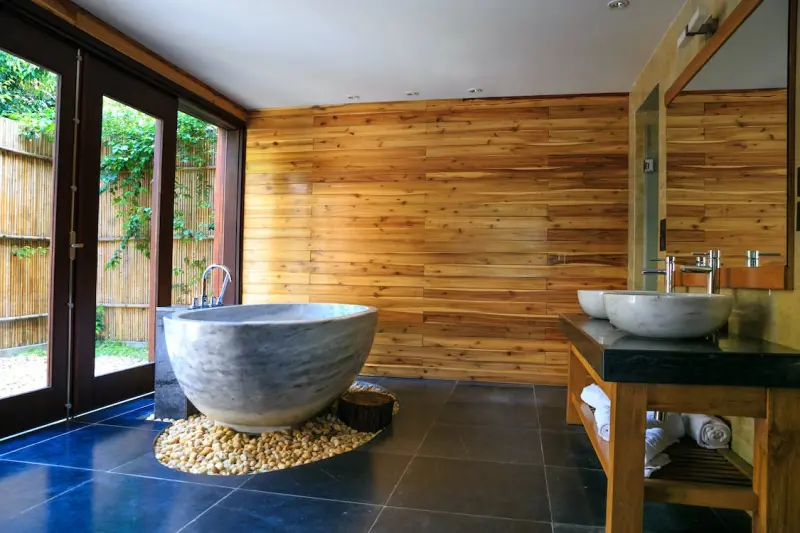
Eco‑Smart Bathtub Refinishing: A Sustainable Makeover for Modern Homes
A sustainable bathtub refinishing guide that reduces energy use, improves safety, and adds resale va... Read More
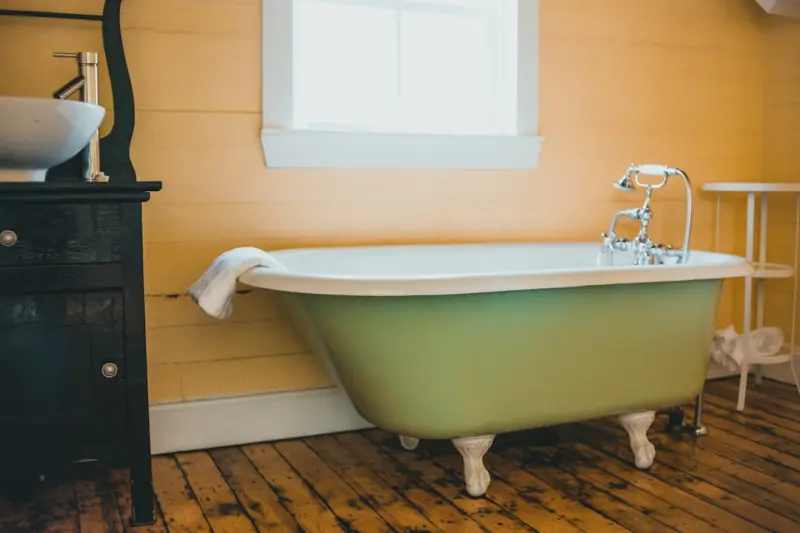
Why Bathtub Refinishing Is the Underrated Asset Boost Every Landlord Needs
Bathtub refinishing offers a cost‑effective, quick turnaround solution that boosts property value,... Read More
Top Posts
Roofing Reimagined: How Smart Materials Are Turning Your Roof Into a Living Asset
Modern roofs are evolving from passive shields to intelligent platforms that generate energy, regulate climate, and predict maintenance needs, delivering signif...Read More

Digital Twin Energy Inspections: Real‑Time Building Insight
A digital twin turns static energy inspections into a live, data‑driven dialogue, enabling real‑time optimization, ESG reporting, and tenant comfort—all w...Read More
The Sustainable Revival of Furniture Restoration
Furniture restoration is an art form that requires patience, skill, and a deep understanding of materials and techniques. By embracing sustainable practices, we...Read More
The Rise of Sustainable General Contracting: A New Era for Builders and Homeowners
Sustainable general contracting is on the rise, driven by growing concerns about climate change, energy efficiency, and environmental sustainability. Learn how ...Read More
0 Comments
Post Comment
You will need to Login or Register to comment on this post!