
Why Snow Removal Feels Like a Daily Ritual
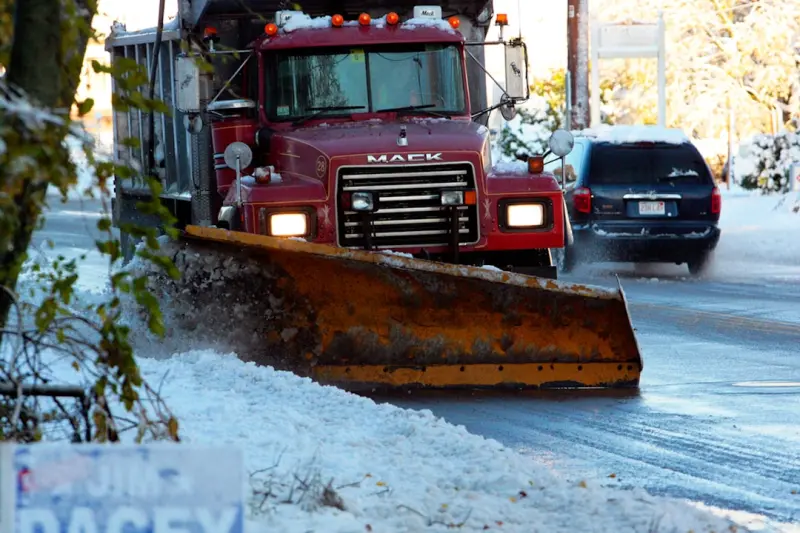
Every winter morning I step outside to a world draped in white, and the first thought that crosses my mind isn’t “how much work this will be,” but “how this moment can set the tone for the whole day.” The crunch of fresh powder under a sturdy shovel becomes a meditation, a rhythmic reminder that I’m actively shaping my environment. I’ve learned to greet the cold with a smile, because each swing of the blade is a small victory over chaos, a way to claim order before the day’s demands take over. In those minutes of solo labor, I also hear the faint hum of nearby houses waking up, the distant rumble of a snowplow, and the soft sigh of a neighbor’s laugh as they emerge with their own tools. Embracing the ritual transforms a chore into a purposeful act, and it’s this mindset that fuels the rest of my snow‑season strategy.
Choosing the Right Tools Without Breaking the Bank
When I first tackled a deep drift, I reached for an old, rusted shovel that had seen better days and quickly regretted it. Modern shovels are engineered with ergonomic grips, lightweight alloys, and angled blades that reduce strain, but they don’t have to cost a fortune. I discovered a mid‑range model that balances durability and price, and paired it with a compact, battery‑powered snow blower for those stubborn corners. A simple accessory—an adjustable handle extension—lets me maintain a comfortable posture even when the snow piles higher than my waist. I also keep a sturdy pair of waterproof boots and insulated gloves nearby; they’re cheap insurance against frostbite. By investing in a few smart pieces of equipment, you can keep the work efficient, stay safe, and still leave room in the budget for the occasional hot cocoa treat after a long session.
Eco‑Friendly De‑icing That Doesn’t Damage Your Driveway
Traditional rock salt may melt ice quickly, but it corrodes concrete, harms nearby plants, and runs off into storm drains, affecting water quality. I switched to a blend of beet‑based brine and calcium magnesium acetate, which works slower but is gentle on surfaces and the environment. Another trick I use is to sprinkle a thin layer of sand or fine gravel before the storm hits; it provides traction without chemical runoff. For stubborn patches, I keep a small bucket of warm water mixed with a pinch of dish soap—this concoction creates a thin film that helps break the bond between ice and pavement. Below is a quick checklist of the most effective, earth‑friendly de‑icers I rely on:
- Beet‑derived liquid brine (apply before snowfall)
- Calcium magnesium acetate granules (for heavy ice)
- Fine sand or crushed walnut shells (for traction)
- Warm soapy water spray (spot treatment)
Turning the Shovel into a Social Connector
One of the most rewarding aspects of snow removal is the unexpected camaraderie that blossoms when neighbors exchange tools and tips. I started a simple “shovel‑share” board on my driveway, where anyone could leave a spare scoop or a spare pair of gloves for a neighbor in need. Before long, the board became a conversation starter—people stopped to ask about the weather forecast, share favorite winter recipes, or simply chat about the day’s news. These brief exchanges have evolved into a weekly “snow‑talk” coffee gathering at the local café, where we swap stories about the most challenging drifts we faced that week. By treating snow removal as a communal activity, the work feels lighter, and the neighborhood bonds grow stronger, turning a solitary chore into a shared experience.
Health‑First Practices to Keep You Safe
Shoveling can be a surprisingly intense workout, and I’ve learned the hard way that neglecting proper warm‑ups leads to back pain and fatigue. Before I even step outside, I spend five minutes doing gentle stretches—lunges, torso twists, and ankle rolls—to prime my muscles. I also follow the “lift with your legs, not your back” rule, keeping my knees slightly bent and using my legs to power each scoop. Hydration is essential, even in cold weather; I sip warm tea throughout the session to stay hydrated without freezing my throat. If I feel any strain, I pause, do a quick set of shoulder rolls, and resume at a slower pace. These simple habits keep my body resilient, allowing me to clear driveways safely all season long.
Planning for the Unexpected Snowstorm
Winter rarely follows a predictable script, and a sudden, heavy snowfall can catch even the best‑prepared homeowner off guard. I keep a compact “snow‑kit” in my garage, which includes a compact snow blower, a set of spare shovel blades, extra de‑icing agents, and a battery‑powered flashlight for early‑morning work. I also monitor local weather alerts on my phone and set a reminder to check the forecast every evening. When a major storm is forecasted, I pre‑emptively clear the driveway the night before, spreading a thin layer of sand to improve traction. This proactive approach reduces the amount of heavy lifting needed once the storm arrives, and it gives me peace of mind knowing I’m ready for whatever the sky throws my way.
Integrating Snow Removal Into Your Home’s Energy Strategy
While snow may seem like a nuisance, it offers a unique opportunity to boost your home’s overall energy efficiency. By clearing snow promptly from roof edges and gutters, you prevent ice dams that can force heat back into your living spaces, causing unnecessary heating costs. I also use the cleared snow as a natural insulator, piling it against the exterior walls of my basement to add an extra thermal barrier during the coldest nights. Additionally, the act of shoveling generates heat that can be harnessed by simply wearing a light, breathable base layer—your body’s natural thermostat will do the rest. These small adjustments not only keep your property safe but also contribute to a greener, more sustainable winter routine.
Learning from Other Seasons to Perfect the Winter Routine
My experience with spring yard work taught me the value of scheduling and delegation, lessons that translate perfectly to snow removal. In spring I set aside specific days for pruning and mulching, and I now apply the same calendar mindset to winter, earmarking “shovel days” and “de‑icing days” on my planner. I also borrowed the idea of rotating responsibilities from summer garden clubs—this winter, I’ve organized a rotating schedule where each block of houses on the block takes turns clearing the shared sidewalk. The rotation ensures the workload is evenly distributed and prevents any one household from feeling overwhelmed. By adapting successful strategies from other seasons, I’ve streamlined my winter chores into a predictable, manageable routine.
Looking Ahead: Making Snow Removal a Tradition Worth Keeping
As the snow melts and the first buds of spring appear, I reflect on how this season’s challenges have reshaped my relationship with my home and my neighbors. What started as a solitary, often dreaded task has become a source of pride, health, and community connection. I plan to keep the “shovel‑share” board active year‑round, repurposing it for summer tools and autumn leaf rakes, so the spirit of sharing endures beyond the cold months. By treating snow removal as an opportunity rather than an obstacle, we can all enjoy a safer, greener, and more connected winter. For those interested in expanding their outdoor living spaces, consider how thoughtful design can complement your snow‑ready landscape—check out creative outdoor styling ideas for inspiration. And if you’re looking to make your yard resilient against any weather, the guide on building a resilient landscape offers practical steps that work well even under a blanket of snow.

Kelly Reynolds is a dynamic freelance writer hailing from the picturesque landscapes of Alberta. A master of the written word, she juggles her passion for storytelling with the exhilarating chaos of being a mother to five spirited children. With an impressive portfolio that spans various genres, Kelly captivates readers through her engaging blog posts and thought-provoking articles.
Related Posts
Beyond Shovels: The Future of Snow Removal for Modern Facilities
Winter snow removal is evolving from a reactive chore into a strategic, technology‑driven operatio... Read More
Community Snow Removal Networks: Turning Winter Chaos into Neighborhood Advantage
Learn how a community snow removal network leverages shared resources, smart data, and eco‑friendl... Read More
Snow Removal 2.0: Data‑Driven Winter Efficiency
A data‑centric approach to snow removal leverages sensors, AI dispatch, and autonomous equipment t... Read More
Top Posts

Transforming Your Basement Into a Health‑Focused Oasis
Learn practical steps to convert a neglected basement into a wellness hub, emphasizing air quality, natural light, biophilic elements, acoustic comfort, and int...Read More

DIY Home Repairs: A Beginner's Guide to Getting Started
Get started with DIY home repairs and develop the skills and confidence you need to tackle more complex projects. Learn the basics, safety precautions, and tips...Read More

Reimagining Commercial Spaces: From Stale Offices to Agile Innovation Hubs
Discover how a data‑driven, modular approach turns outdated commercial spaces into agile innovation hubs that boost productivity, reduce costs, and align with...Read More
Front Yard Refresh: Native Plants, Smart Irrigation, and Modern Fencing
A practical, design‑first approach to revamp your front yard with low‑maintenance native plantings, zone‑based smart irrigation, and contemporary fence so...Read More
0 Comments
Post Comment
You will need to Login or Register to comment on this post!