
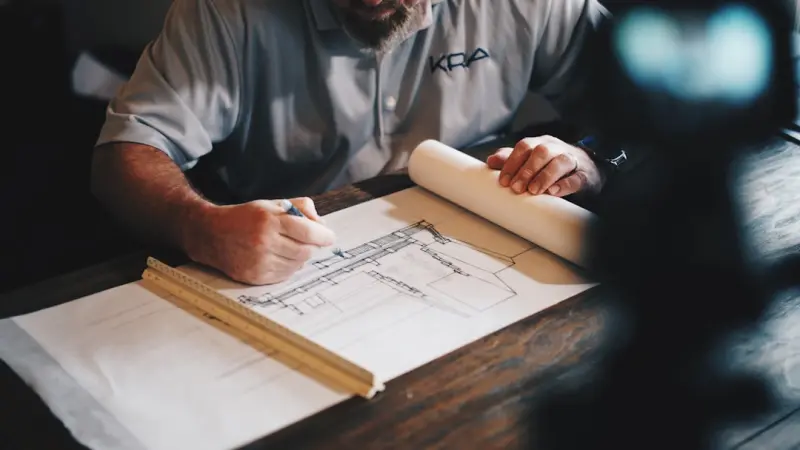
Beyond Blueprints: How General Contractors Are Turning Collaboration Into Competitive Edge
When I first stepped onto a bustling construction site, the roar of steel cutters and the chatter of subcontractors felt like an orchestra—chaotic, yet somehow harmonious. Over the years, that “orchestra” has evolved. The score is no longer written on a 2‑by‑4; it lives in cloud‑based platforms, real‑time dashboards, and a culture that prizes transparency above hierarchy. In today’s market, the most successful general contractors aren’t just good at breaking ground—they’re exceptional at breaking silos.
In this piece, I’ll walk you through three interconnected strategies that are reshaping the general contracting landscape:
- Integrated Project Delivery (IPD) as a partnership framework
- Digital twin technology for site‑wide visibility
- Workforce intelligence tools that turn labor scarcity into a strategic advantage
Each of these pillars leverages data, people, and technology in ways that go far beyond the traditional “design‑bid‑build” playbook.
1. Integrated Project Delivery: From Contractual Obligation to Shared Success
IPD isn’t a buzzword; it’s a contractual model that aligns the incentives of owners, architects, engineers, and contractors from day one. Instead of the classic “who‑does‑what‑and‑when” checklist, IPD creates a shared risk‑reward pool that encourages every stakeholder to think like an owner.
Why does this matter for a general contractor? Because it flips the script on change orders. In a traditional delivery method, a design change often triggers a costly negotiation loop. Under IPD, that same change is a collaborative decision, evaluated against the project’s overall performance metrics—schedule, budget, sustainability, and client satisfaction.
Implementing IPD successfully requires three practical steps:
- Early alignment workshops. Bring the owner, design team, and key trade partners together before the first shovel hits the ground. Use facilitated sessions to define shared goals, risk tolerances, and success criteria. The result is a single source of truth that guides every downstream decision.
- Shared digital workspaces. Adopt a cloud‑based collaboration hub where drawings, RFIs, submittals, and cost models live in one place. Platforms that integrate BIM data with contract documents reduce “information latency” and keep every party on the same page.
- Performance‑based incentives. Tie a portion of the contractor’s fee to measurable outcomes—early completion, carbon‑footprint reduction, or client‑reported satisfaction scores. When the financial reward is directly linked to project health, the team behaves like a unified entity rather than a collection of siloed contractors.
The payoff is tangible. Projects that adopt IPD consistently finish 10‑15% faster and see a 7‑12% reduction in total cost. More importantly, they generate higher client loyalty, translating into repeat business and referral pipelines that are priceless in a competitive market.
2. Digital Twins: Turning the Construction Site Into a Living Model
If you’ve ever wished you could “step inside” a 3‑D model to see exactly how a wall will look once the drywall is up, you’ve imagined a digital twin. In the construction realm, a digital twin is a real‑time, data‑rich replica of the physical site—updated constantly through IoT sensors, drones, and mobile field inputs.
Here’s how a general contractor can harness this technology:
- Site‑wide sensor networks. Deploy temperature, humidity, and vibration sensors on critical structural components. The data streams into the twin, flagging potential issues—like moisture intrusion in a concrete slab—before they become costly rework.
- Drone‑captured photogrammetry. Weekly drone flights generate high‑resolution orthomosaics that sync with the BIM model. The twin instantly shows progress percentages, material placement accuracy, and safety compliance gaps.
- Predictive analytics overlay. By feeding sensor data into machine‑learning models, the twin can forecast when a crane’s load cycle is approaching fatigue limits or when a concrete pour will need temperature mitigation. This proactive insight cuts downtime and protects worker safety.
Beyond risk mitigation, digital twins are a powerful communication tool. Stakeholders who aren’t on‑site—owners, financiers, or municipal reviewers—can log in, explore the model, and ask questions in real time. That transparency reduces “red‑tape” friction and accelerates approvals, a point underscored by the Turning Red Tape into Green Light: The New Era of Construction Permits article.
Implementing a twin doesn’t have to be a multi‑million‑dollar venture. Start small: equip one high‑risk area (e.g., a deep foundation zone) with a handful of sensors, integrate the data into an existing BIM viewer, and expand as ROI becomes evident. The incremental approach keeps costs manageable while demonstrating value early on.
3. Workforce Intelligence: Turning Labor Shortage Into a Strategic Asset
Let’s face it—today’s general contractors wrestle with a talent gap that feels more like a talent cliff. The shortage of skilled tradespeople, compounded by an aging workforce, forces many firms to gamble on overtime or subcontractor “just‑in‑time” crews. The result? Fatigued crews, quality slip, and schedule volatility.
The solution isn’t simply hiring more hands; it’s leveraging intelligence to optimize the hands you already have. Here’s a three‑pronged framework that works:
3.1. Skill‑Mapping Platforms
Deploy a cloud‑based skill matrix where each worker logs certifications, experience levels, and preferred tasks. The platform then matches crew members to the right trades for each work package, maximizing productivity and reducing on‑the‑fly training.
3.2. Real‑Time Labor Forecasting
Integrate the skill matrix with the project schedule and the digital twin’s progress data. When the twin flags a delay in a structural element, the forecasting engine automatically suggests which crew to redeploy, ensuring labor is always aligned with critical path needs.
3.3. Augmented‑Reality (AR) Guidance
Equipping foremen with AR headsets can dramatically reduce the learning curve for less‑experienced workers. When a new crew arrives on a site, the headset overlays step‑by‑step instructions directly onto the physical environment—think “see‑through” blueprints that show where rebar should be placed or how a mechanical system connects.
When paired with Predictive Maintenance: Turning Data Into Property Longevity, these workforce tools become even more potent. Predictive maintenance data informs crews exactly where equipment will need attention, allowing them to schedule interventions during natural downtime rather than scrambling during emergencies.
Bringing It All Together: A Real‑World Case Study
Consider a mid‑size general contractor, “Midtown Builders,” tasked with a mixed‑use development in a dense urban corridor. The project featured a 12‑story residential tower, ground‑floor retail, and a subterranean parking garage. Here’s how the three strategies unfolded:
- IPD kick‑off. Midtown brought the owner, architect, MEP engineers, and the lead subcontractor into a series‑of collaborative workshops. They defined a shared risk pool that allocated 5% of the total fee to be split based on early completion and carbon‑footprint reduction.
- Digital twin deployment. Sensors were installed on the basement slab to monitor curing temperature, while drones captured weekly progress. When the twin flagged a moisture spike in the slab, the contractor adjusted the curing schedule, preventing potential cracking.
- Workforce intelligence. The skill‑mapping platform identified that several journeymen had certification gaps in fire‑stopping. The contractor scheduled a focused AR‑guided training session, reducing the learning curve from weeks to days. Simultaneously, real‑time labor forecasting allowed the foreman to shift crews from the finished retail podium to the critical parking garage phase, keeping the project on schedule.
The results were striking: the project finished three weeks ahead of the original schedule, saved 8% on overall labor costs, and achieved a LEED Gold rating—exceeding the client’s sustainability target. Most importantly, the owner praised the level of transparency, noting that they never felt “in the dark” about daily site conditions. That trust translated into a second, larger contract for Midtown within the same fiscal year.
Practical Steps for Contractors Ready to Upgrade
Feeling inspired? Here’s a checklist you can start using tomorrow:
- Audit your contract templates. Identify where risk‑sharing clauses could be introduced. Even a modest 2‑3% incentive tied to schedule adherence can shift mindsets.
- Pick a pilot zone for a digital twin. Choose a high‑risk area (e.g., deep foundation) and install a handful of sensors. Pair the data with existing BIM models to create a live view.
- Implement a lightweight skill‑mapping tool. Many SaaS solutions offer free tiers that let you catalog crew capabilities in minutes.
- Schedule a “technology day.” Invite your foremen, safety officers, and subcontractors to demo AR headsets, sensor dashboards, and collaboration platforms. Hands‑on exposure reduces resistance and sparks ideas.
Remember, transformation isn’t a single leap; it’s a series of iterative improvements. Start small, measure impact, and scale the wins. As the industry continues to demand faster delivery, greener outcomes, and tighter budgets, the contractors who win will be those who turn collaboration into a competitive moat—not just a buzzword on a proposal.
In the end, the construction site is still a place of physical labor, but the tools that orchestrate that labor are increasingly digital. Embrace the partnership mindset, let data illuminate every decision, and empower your workforce with intelligent platforms. The future of general contracting is already here—what you do with it determines whether you lead the chorus or merely hum along.

Craig Brett is a freelancer with a passion for the outdoors. His love for nature inspires his work, bringing authentic and engaging perspectives to projects related to outdoor activities, adventure, and environmental topics.
Related Posts
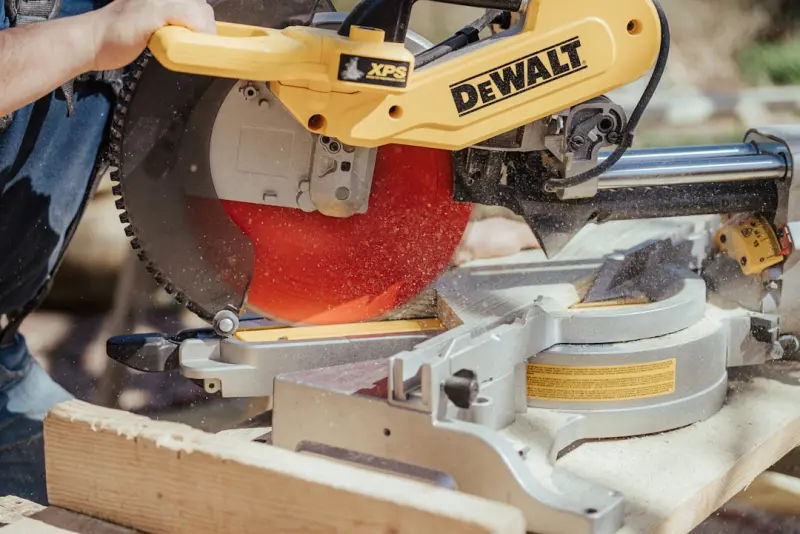
Zero Waste Construction: How General Contractors Can Lead the Circular Economy
General contractors can transform waste into profit by embracing design for deconstruction, precise ... Read More

Why General Contractors Should Embrace the Circular Economy
A deep dive into circular construction, showing contractors how to cut costs, capture new revenue, a... Read More
The Rise of Sustainable General Contracting: A New Era for Builders and Homeowners
Sustainable general contracting is on the rise, driven by growing concerns about climate change, ene... Read More
Top Posts
Weather‑Proof Your Home: Proven Strategies for Comfort and Savings
Ready to shield your home from harsh weather? Discover proven, sustainable upgrades, DIY tricks, and smart tech that boost comfort, lower bills, and keep the el...Read More
Roofing Redefined: Turning Your Building’s Crown into a Smart, Sustainable Asset
Explore the future of roofing as a strategic platform that combines smart sensors, carbon‑negative materials, and solar storage to cut costs, boost property v...Read More

The DIY Homeowner’s Playbook: Mastering Everyday Repairs Without the Stress
A comprehensive guide that teaches homeowners how to adopt a proactive DIY mindset, stock an essential toolkit, and execute quick fixes while knowing when to ca...Read More

Smart Wallpaper: Sustainable Patterns & Personalization
Wallpaper is evolving from a decorative afterthought into a strategic, tech‑enabled surface that offers personalization, sustainability, and data integration ...Read More
0 Comments
Post Comment
You will need to Login or Register to comment on this post!