
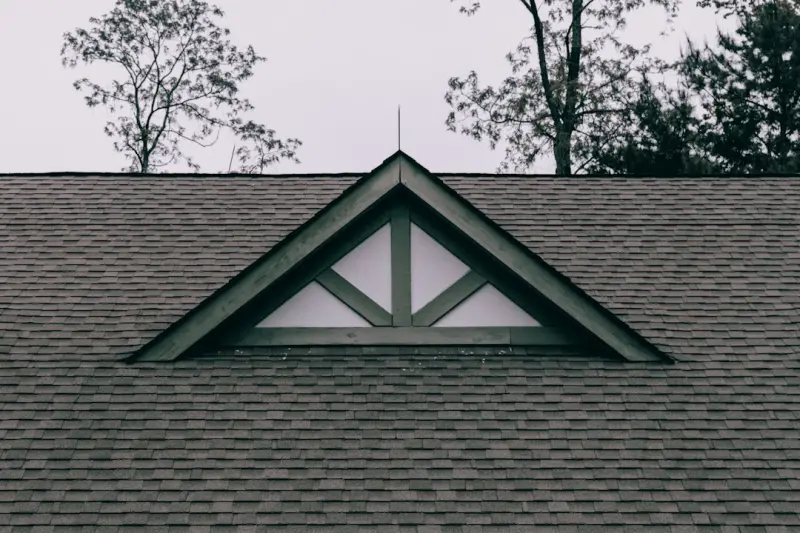
Why Roofing Matters Beyond Shelter
When most people think about a roof, they picture a simple protective shell that keeps rain out and sunlight in. In reality, a roof is the most expansive interface a building has with the outdoors, and it can be leveraged as a strategic asset that drives energy savings, enhances building health, and even generates revenue. As a seasoned facilities strategist, I’ve watched the industry evolve from “replace‑when‑it‑fails” to “design‑for‑performance.” This shift is reshaping how owners, property managers, and investors evaluate roofing projects.
The Rise of Intelligent Roof Systems
Today’s roofs are no longer passive barriers. Embedded IoT sensors can monitor temperature gradients, moisture ingress, wind uplift, and even the structural integrity of the decking. Unlike the augmented reality and sensor fusion tools used in home inspections, intelligent roof platforms are built into the roof itself, feeding real‑time data to a building‑operations dashboard. This data does three things:
- Predictive maintenance: Spot potential leaks before they become costly water damage.
- Energy optimization: Adjust ventilation and shading in response to solar gain.
- Asset valuation: Provide quantifiable metrics that boost property appraisal values.
Because the data lives at the roof level, you bypass the need for periodic, disruptive inspections and gain a continuous pulse on the building envelope.
Sustainable Materials That Actually Pay Off
Choosing the right roofing material is no longer just an aesthetic decision. The market now offers a suite of carbon‑negative building materials that can be incorporated into roofing membranes, underlayments, and ballast. These materials sequester CO₂ during production and, in some cases, continue to absorb carbon over their service life.
Here are three sustainable options that have moved beyond the “green buzz” phase into proven performance:
- Recycled rubber shingles: Made from post‑consumer tires, they provide superior impact resistance and reduce landfill waste.
- Bio‑based spray‑foam insulation: Derived from soy or hemp oils, this foam offers R‑values comparable to petro‑based foams while emitting far less VOCs.
- Algae‑infused roofing tiles: These living tiles capture sunlight to grow algae, which in turn stores carbon and can be harvested for bio‑fuel.
Beyond environmental credentials, these choices can lower insurance premiums and qualify for tax incentives, creating a direct financial upside.
Integrating Solar and Energy Storage
Solar photovoltaic (PV) panels have become a staple on commercial roofs, but the real game‑changer is pairing them with on‑site storage and intelligent controls. By treating the roof as an energy hub, you can:
- Shift peak demand to off‑peak hours, reducing utility demand charges.
- Provide backup power for critical loads during outages, enhancing resilience.
- Participate in demand‑response programs, earning revenue from utilities.
What’s often overlooked is the synergy between the roof’s structural design and the solar layout. A biophilic design mindset encourages the integration of green roofs or living walls beneath solar arrays, creating a micro‑climate that improves panel efficiency while delivering urban greening benefits.
Data‑Driven Maintenance Without the Gimmicks
Many building owners have tried “smart roofs” only to be hit with a flood of alerts that never translate into actionable work orders. The key is to adopt a tiered analytics approach:
- Baseline monitoring: Sensors collect raw data on temperature, humidity, and strain.
- Pattern recognition: Machine‑learning models flag deviations from historical norms.
- Prioritized recommendations: The system suggests specific interventions, ranked by cost‑benefit analysis.
This methodology mirrors the best practices of predictive maintenance in other building systems but is tailored to the roof’s unique failure modes—like membrane blistering or fastener corrosion. By focusing on high‑impact alerts, facilities teams can allocate labor efficiently and avoid the “alert fatigue” that plagues many IoT deployments.
Case Study: Turning a Commercial Roof into a Profit Center
Consider a 150,000‑square‑foot distribution center in the Midwest. The owner replaced the aging built‑up roofing with a reflective, cool‑roof membrane, added a 250‑kW solar array, and installed a network of moisture and wind sensors. Within 12 months, the results were striking:
- Energy savings: 22% reduction in HVAC load thanks to the cool‑roof effect.
- Revenue generation: Solar feed‑in tariffs produced $45,000 in net earnings.
- Maintenance cost reduction: Sensor‑triggered inspections cut roof‑related work orders by 40%.
- Asset valuation: The building’s market appraisal increased by 5% due to the sustainable upgrades.
This example demonstrates that a well‑engineered roof can be a cash‑flow generator rather than just a cost center.
Actionable Steps for Facility Managers
If you’re ready to transform your roof from a static shield into a dynamic asset, follow this roadmap:
- Audit your existing envelope: Use drones or infrared thermography to locate hot spots, moisture, and structural deficiencies.
- Select a performance‑oriented material: Prioritize options with low embodied carbon and high durability.
- Integrate smart sensors: Choose a platform that offers open APIs so data can feed into your existing BMS.
- Plan for solar and storage: Conduct a feasibility study that includes structural load analysis and local incentive mapping.
- Develop a data‑driven maintenance protocol: Set thresholds for alerts, assign owners, and schedule periodic reviews of sensor analytics.
- Quantify ROI: Use lifecycle cost modeling to capture energy savings, maintenance reduction, and revenue streams.
By treating the roof as a strategic platform, you unlock hidden value that resonates with investors, tenants, and sustainability goals alike.
Looking Ahead: The Roof as a Community Resource
Beyond the individual building, roofs have the potential to serve neighborhoods. Imagine a cluster of commercial roofs sharing a micro‑grid, balancing solar generation with community storage, and providing emergency power during storms. This vision aligns with emerging city‑wide resilience programs and offers a new revenue model—selling excess clean energy to the grid or to nearby residential customers.
In the coming years, policy frameworks are likely to evolve, rewarding owners who transform their roofs into multifunctional assets. Early adopters who invest now will not only reap immediate financial benefits but also position themselves as leaders in the next wave of sustainable, data‑centric building design.

Paul Gray is a dynamic blogger based in Brampton, where he shares his life with his amazing wife, Sarah. Known for his engaging writing style and relatable insights, Paul has carved out a niche in the blogging world that resonates with readers from all walks of life. When he's not crafting captivating posts, you can find him savoring a cold beer or indulging in the latest blockbuster movie. With a friendly demeanor and a passion for storytelling, Paul brings a unique perspective to his work, making him not just a blogger, but a voice for those who appreciate the simple joys of life.
Related Posts

Roof Health 2.0: How Drones and AI Are Transforming Building Resilience
Drones equipped with multispectral cameras and AI analytics are turning roofs into real‑time healt... Read More
Rethinking Roofs: From Passive Shield to Active Asset
This article reveals how modern roofing can evolve from a static cover into a data‑driven, climate... Read More

Green Roofs: Transforming Commercial Roofing into Living Assets
Explore the business case for green roofs, from thermal regulation and stormwater retention to ROI, ... Read More
Top Posts
Designing Window Treatments That Shape Light, Mood, and Comfort
Explore the art of layering, fabric selection, color psychology, and hardware choices to create window treatments that control light, boost acoustics, and perso...Read More

Reviving Your Tub: A Personal Bathtub Refinishing Journey
Rose shares her hands‑on bathtub refinishing story, revealing the tools, sustainable tips, and cost‑saving tricks that turned a dull tub into a showroom‑r...Read More

Beyond Aesthetic: How Next‑Gen Windows & Doors Elevate Building Performance
A deep dive into how modern windows and doors, with dynamic glazing, smart security, acoustic mastery, and sustainable sourcing, are becoming strategic assets t...Read More

Reinventing Comfort: How AI, VRF, and Smart Envelopes Are Redefining HVAC
A deep dive into the latest HVAC innovations—AI‑powered controls, Variable Refrigerant Flow, and renewable‑integrated smart envelopes—showing how they d...Read More
0 Comments
Post Comment
You will need to Login or Register to comment on this post!