

Why the Circular Economy Is the Next Frontier for General Contractors
When I first stepped onto a bustling job site, the smell of fresh concrete and the clatter of tools felt like an invitation to create something lasting. Over the years, that excitement has deepened into a responsibility: every material we order, every waste stream we generate, and every subcontractor we partner with leaves a footprint. The industry’s traditional “take‑make‑dispose” mindset is finally giving way to a more sustainable, profitable model—one I like to call the circular economy for construction. This isn’t a buzzword; it’s a practical framework that can turn waste into revenue, reduce risk, and future‑proof our businesses.
From Linear to Circular: What It Really Means on the Ground
In a linear construction process, raw resources are extracted, transformed into building components, installed, and eventually end up in a landfill when a project is demolished or renovated. A circular approach flips that script. Materials are sourced responsibly, designed for reuse or recycling, and kept in the value chain for as long as possible. The benefits are threefold:
- Cost Savings: Reusing structural steel, reclaimed lumber, or surplus drywall can shave thousands off a budget.
- Risk Mitigation: Diversifying supply chains with local reclaimed material reduces exposure to global price spikes.
- Brand Differentiation: Clients increasingly demand sustainable solutions; a circular portfolio becomes a powerful sales tool.
Imagine a mid‑rise office building where the steel framing is partially sourced from a regional deconstruction program, the interior partitions are built from reclaimed bricks, and the insulation is made from recycled denim fibers. Not only does the project meet stringent LEED or WELL criteria, but it also tells a story that resonates with tenants and investors alike.
How to Start Building a Circular Supply Chain
Transitioning doesn’t happen overnight. Below is a step‑by‑step roadmap that I’ve refined on several projects:
- Audit Existing Material Flows: Map out where every kilogram of material enters and exits the site. Look for “dead‑ends” where waste is simply hauled away.
- Identify Reusable Assets Early: During the design phase, ask whether walls, floor panels, or façade elements can be demounted and repurposed later. This foresight reduces demolition time and cost.
- Partner with Local Reclamation Hubs: Cities are sprouting material banks that collect surplus construction components. By establishing a reliable line of credit with these hubs, you secure a steady source of quality reclaimed goods.
- Implement On‑Site Sorting Stations: Train crews to separate wood, metal, and concrete at the point of removal. Segregated streams fetch higher resale values.
- Close the Loop with Clients: Offer post‑occupancy services that retrieve and refurbish elements at the end of a lease term. This creates a recurring revenue stream and strengthens client relationships.
These steps may sound simple, but they require a cultural shift within the firm. That’s where technology and collaboration become essential.
Technology as an Enabler, Not a Replacement
There’s a temptation to think that a single software platform can solve every circular challenge. In reality, technology should amplify the human decisions you already make. For instance, a permit‑management tool can flag opportunities to reuse existing foundations, saving both time and material costs. Similarly, BIM models that embed material provenance data help you track the lifecycle of each component—from quarry to demolition.
Another game‑changer is data from wearables on the jobsite. While many contractors adopt them for safety, the same sensors can monitor the weight and volume of material being moved, feeding real‑time analytics into your waste‑reduction plan. By linking that data to procurement software, you can automatically adjust orders based on actual consumption, avoiding over‑ordering and the inevitable surplus.
Financial Incentives That Make Circular Projects Viable
Beyond the intrinsic cost savings, there are external financial levers that can tip the ROI scale in favor of circularity:
- Tax Credits & Rebates: Many municipalities offer incentives for using reclaimed materials or achieving waste‑diversion targets.
- Green Bonds: Investors are eager to fund projects with measurable sustainability outcomes. A circular approach can qualify you for lower‑interest financing.
- Insurance Benefits: Reduced material waste translates to fewer hazards on site, often leading to lower premiums.
When I presented a circular retrofit to a client, we bundled the projected savings from reclaimed steel with available tax credits. The combined financial picture was so compelling that the client approved a 12% increase in the overall budget—money that would have gone toward brand‑new material otherwise.
Case Study: A Retail Revamp That Turned Trash Into Treasure
One of my favorite projects involved a 30,000‑square‑foot retail space slated for a full interior overhaul. The owner wanted a fresh look but also demanded a “zero‑waste” guarantee. Here’s how we delivered:
- Deconstruction, Not Demolition: Rather than razing the existing drywall, we carefully removed it, cataloged each panel, and stored them in a climate‑controlled warehouse.
- Reclaimed Flooring: The original concrete slab was milled and polished, creating a high‑gloss finish that served as a sustainable alternative to costly tile.
- Upcycled Fixtures: We sourced vintage shelving units from a local salvage yard, refinished them, and integrated them into the new layout.
- Material Exchange Network: Surplus metal studs were donated to a nearby community garden project, earning the client goodwill and a small donation receipt for tax purposes.
The outcome? The project stayed under budget by 7%, achieved a 95% waste‑diversion rate, and earned a spotlight in industry publications for its innovative approach.
Overcoming Common Barriers
Even with clear benefits, many contractors hit roadblocks:
- Perceived Quality Gaps: Some stakeholders doubt the performance of reclaimed materials. The solution is rigorous testing and certifications that match or exceed new‑material specs.
- Lack of Vendor Networks: Building relationships with reclamation hubs takes time. Start small—partner with one reliable supplier and expand as you gain confidence.
- Regulatory Uncertainty: Local building codes may not explicitly address reused components. Work closely with inspectors and provide documentation of material integrity.
My advice is to treat each barrier as a pilot opportunity. Document successes, share lessons learned, and gradually scale the approach across larger projects.
Embedding Circular Thinking into Company Culture
Culture is the silent driver of success. Here are three practices that have helped my team internalize circular principles:
- Monthly “Zero‑Waste” Workshops: Teams bring examples of waste they’ve diverted and discuss how to replicate the win on upcoming jobs.
- Recognition Programs: Employees who achieve measurable waste reductions receive bonuses or public acknowledgment in company newsletters.
- Cross‑Disciplinary Brainstorms: Architects, estimators, and field crews sit together early in the design phase to spot reuse opportunities before drawings are finalized.
When the entire crew feels ownership over sustainability goals, the circular mindset becomes a natural part of every decision—not an after‑thought.
Looking Ahead: The Role of Policy and Industry Standards
Governments are beginning to codify circular construction practices. Anticipating these changes can give you a first‑mover advantage. Keep an eye on emerging standards such as the “Circular Economy Action Plan” for construction, which encourages mandatory material passports and end‑of‑life plans for buildings.
By aligning your internal processes with upcoming regulations now, you’ll avoid costly retrofits later and position your firm as a leader in compliance and innovation.
Actionable Takeaways for the Modern General Contractor
- Conduct a baseline waste audit on your next project and set a concrete diversion target (e.g., 80%).
- Identify at least one local reclamation partner and negotiate a trial supply of reclaimed material.
- Integrate material provenance fields into your BIM model to track reuse potential.
- Leverage wearable technology to gather real‑time data on material handling and waste generation.
- Pitch the circular approach to clients as a value‑added service that delivers cost savings, risk reduction, and brand enhancement.
In the end, the circular economy isn’t just an environmental imperative; it’s a strategic business model that can unlock new revenue streams, strengthen client relationships, and safeguard the future of our trade. The tools are in our hands, the networks are emerging, and the market is hungry for change. It’s time for general contractors to lead the charge.

When it comes to the world of blogging and writing, Rose DesRochers is a name that stands out. Her passion for creating quality content and connecting with her audience has made her a trusted voice in the industry. Aside from her skills as a writer and blogger, Rose is also known for her compassionate nature.
Related Posts
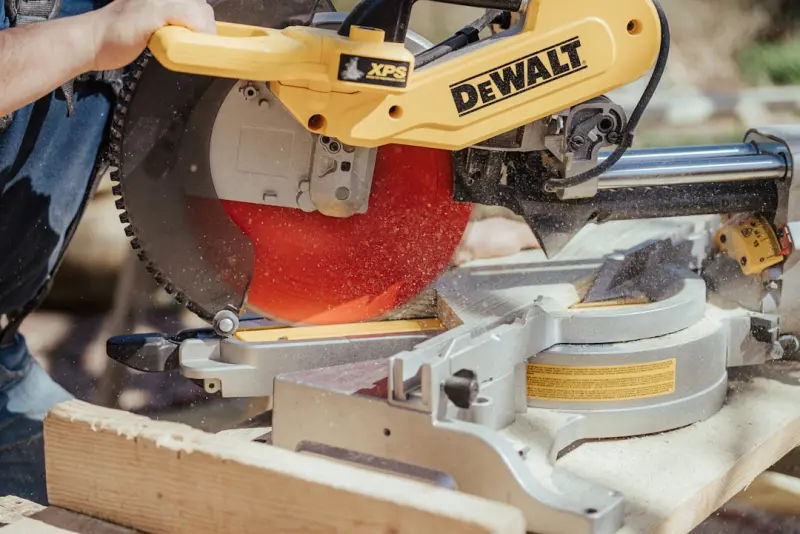
Zero Waste Construction: How General Contractors Can Lead the Circular Economy
General contractors can transform waste into profit by embracing design for deconstruction, precise ... Read More

Collaboration Platforms: The New Blueprint for General Contractors
General contractors can revolutionize project outcomes by adopting real‑time collaboration platfor... Read More

AI‑Powered Command Centers: The New Backbone of General Contracting
General contractors can overcome labor gaps and schedule overruns by adopting AI‑powered command c... Read More
Top Posts
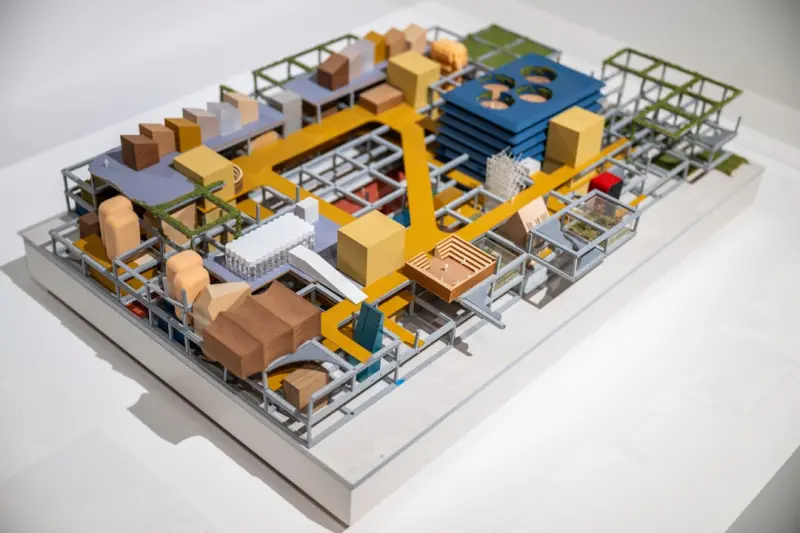
Strategic Adaptive Reuse and Modular Design: A New Playbook for Commercial Renovations
Explore a fresh strategy for commercial renovations that blends adaptive reuse, modular construction, and data analytics to create flexible, sustainable spaces ...Read More

The Hidden Science of Mold Removal: A Homeowner’s Playbook
A detailed, step‑by‑step guide to identifying, removing, and preventing mold in residential spaces, featuring practical tools, airflow tips, and when to cal...Read More
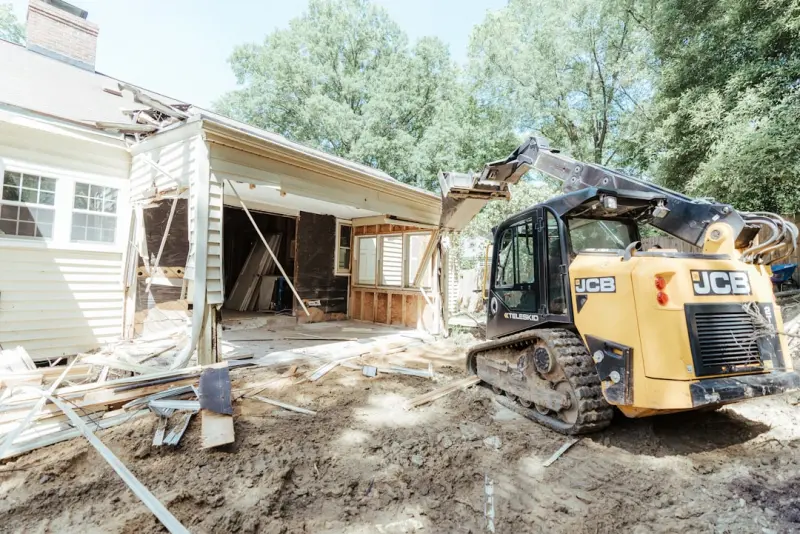
Why Modular Construction Is the Game‑Changer General Contractors Can’t Afford to Ignore
Modular construction offers speed, safety, and precision, turning traditional general contracting challenges into opportunities. Discover why embracing prefabri...Read More
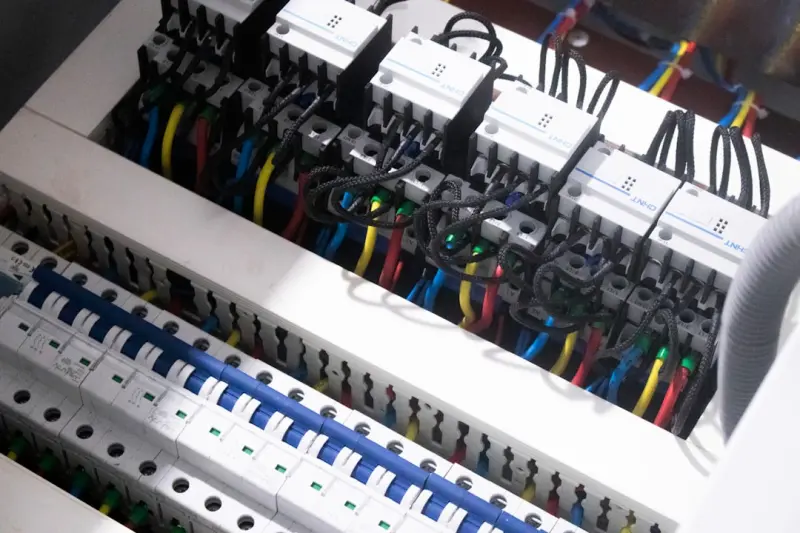
Responsive Edge Controllers: Redefining Electrical Distribution for Modern Facilities
Traditional panels waste energy and risk equipment failure. Learn how responsive edge controllers provide instant load management, integrate renewables, and tur...Read More
0 Comments
Post Comment
You will need to Login or Register to comment on this post!