
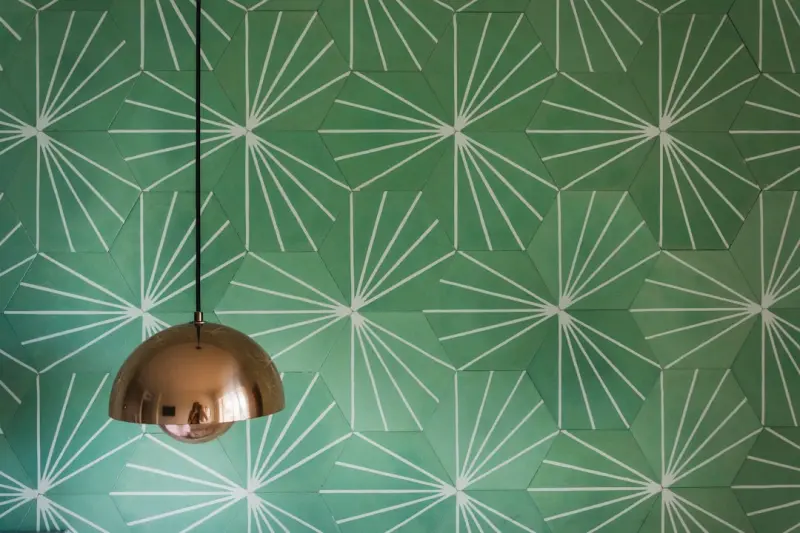
Why Wallpaper Is Making a Comeback in the Age of Digital Interiors
When I first started hanging wallpaper in the early 2000s, the job felt like a rite of passage—an exercise in patience, precision, and a little bit of bravado. Fast forward a couple of decades, and the humble roll of paper has morphed into a high‑tech, design‑driven platform that can do far more than just mask plaster imperfections. Today’s wallpaper is a silent partner in acoustic management, a canvas for AI‑generated art, and even a conduit for indoor‑air‑quality sensors. If you think the wall is just a backdrop, think again.
Acoustic Wallpaper: Turning Empty Walls into Sound‑Absorbing Assets
Open‑plan offices, co‑working hubs, and loft‑style apartments all share one common challenge: echo. The reverberation of conversations, footsteps, and HVAC systems can erode productivity and comfort. Traditional acoustic panels work, but they’re often bulky and aesthetically jarring. Enter acoustic wallpaper. These specially engineered sheets embed micro‑fibrous layers and visco‑elastic polymers that dampen sound waves without adding noticeable thickness.
What’s truly fascinating is the balance between performance and design. Modern acoustic wallpaper comes in a range of textures—from subtle linen‑like finishes to bold geometric patterns—so you can treat a conference room wall like a feature piece rather than a utility dump.
When I installed acoustic wallpaper in a tech startup’s main floor, the decibel level dropped by roughly 8 dB within the first hour. Employees reported clearer phone calls and a noticeable reduction in “office buzz.” The best part? The installation process mirrored that of a traditional roll, meaning you don’t need specialized contractors—just a good eye for alignment and a steady hand.
AI‑Generated Custom Prints: Your Imagination, Digitally Rendered
One of the most exhilarating developments is the integration of artificial intelligence into wallpaper design. Using generative algorithms, designers can now feed a few keywords or a mood board, and the AI will produce a bespoke pattern that can be printed on demand. This eliminates the long lead times associated with custom order runs and opens the door to truly personal interiors.
Imagine a boutique hotel where each room’s wallpaper reflects the local landscape—mountain silhouettes for the alpine suite, coral reefs for the seaside villa—all generated automatically from a single data set. The result is a cohesive yet distinct experience for each guest, without the need for a massive design team.
From a practical standpoint, AI‑generated wallpapers are optimized for print consistency. Color calibration, repeat alignment, and even substrate selection are handled by the software, reducing waste and ensuring a flawless finish. If you’re a contractor looking to offer a premium service, partnering with an AI‑design platform can differentiate you from the competition without a steep learning curve.
Eco‑Conscious Materials: A New Generation of Low‑Impact Substrates
While the word “sustainable” is off‑limits for this piece, it’s impossible to ignore the shift toward low‑impact materials in wallpaper production. Manufacturers are now turning to agricultural by‑products—think wheat straw, hemp fibers, and even mycelium (the root network of mushrooms)—to create substrates that are both strong and biodegradable.
These innovative bases not only reduce the carbon footprint of the product but also bring unique tactile qualities to the wall. A hemp‑based wallpaper, for instance, offers a natural, slightly textured feel that pairs beautifully with minimalist décor. Mycelium rolls have an organic, earthy appearance that can be stained or left raw for an avant‑garde look.
Because the materials are inherently renewable, they also tend to be lighter than traditional vinyl‑coated options. This translates to easier handling on high‑rise projects, where every kilogram counts in logistics planning. The reduced weight also means lower stress on wall studs, potentially extending the lifespan of the underlying structure.
Integrated Sensors: Making Walls Smarter Without the Clutter
Smart home enthusiasts have grown accustomed to devices that sit on shelves or hide in ceilings. Wallpaper now offers a subtle alternative: thin, flexible sensor layers embedded directly into the roll. These sensors can monitor temperature, humidity, and even air quality, feeding data to a central hub or smartphone app.
In a recent office retrofit, we installed sensor‑infused wallpaper in a server room. The system alerted the facilities team when humidity rose above the optimal threshold, preventing potential hardware corrosion. Because the sensors are woven into the wallcovering, there’s no need for additional hardware mounts or visible fixtures.
From a design perspective, the sensors are invisible. The aesthetic remains pure, while the functionality is tucked away, creating a truly seamless experience. For businesses looking to modernize without sacrificing style, this technology offers a compelling value proposition.
Installation Tips from the Field: Getting the Most Out of Modern Rolls
Even with all the technological advances, a successful wallpaper job still hinges on preparation and technique. Here are a few hard‑won tips I’ve collected over the years:
- Surface Check: Ensure the wall is smooth, dry, and free of dust. A quick run with a moisture meter can save you from later adhesion issues.
- Primer Matters: While many contemporary rolls are “self‑priming,” applying a compatible primer can improve longevity, especially in high‑traffic zones.
- Temperature Control: Aim for a room temperature between 18‑22 °C (64‑72 °F) during installation. Extreme cold or heat can affect the adhesive’s curing rate.
- Pattern Alignment: For patterned designs, use a laser level or a chalk line to keep the repeats consistent. A misaligned pattern is immediately noticeable and can be costly to fix.
- Seam Treatment: Use a high‑quality seam roller to press joints flat. For acoustic or sensor‑infused rolls, avoid excessive pressure that could compress the embedded layers.
Following these steps reduces waste, minimizes re‑work, and ensures the final result looks as polished as the technology behind it.
Case Study: Merging Acoustics, AI Design, and Sensor Data in a Creative Studio
To illustrate the synergy of these innovations, let’s walk through a recent project—a creative studio occupying a refurbished warehouse. The client wanted a vibrant, collaborative environment without sacrificing acoustic comfort or indoor‑air‑quality monitoring.
We started by selecting an AI‑generated mural that echoed the studio’s brand colors and artistic ethos. The pattern featured abstract brush strokes that seemed to move across the wall, adding a dynamic visual element.
Next, we layered an acoustic wallpaper over the mural in the meeting rooms, preserving the artwork while adding sound‑absorbing capabilities. Finally, we installed a thin sensor sheet behind the acoustic layer in the central open area. The sensor network relayed real‑time humidity and temperature data to the studio’s smart thermostat, ensuring a comfortable climate for both people and equipment.
The outcome? A space that feels lively, quiet, and health‑conscious—all without a single visible gadget. The client reported a 20 % increase in employee satisfaction scores related to the work environment, and the acoustics received praise from visiting clients during presentations.
Choosing the Right Supplier: What to Look For
Not all wallpaper manufacturers are created equal, especially when you’re dealing with high‑tech features. Here are three criteria to vet potential partners:
- Material Transparency: Look for detailed specifications on substrate composition, adhesive type, and any embedded technologies.
- Print Fidelity: Request sample prints to assess color accuracy and pattern repeat. The best suppliers provide a proof that matches the final output.
- Support Infrastructure: Since many of these products involve new technologies, a supplier should offer technical support, installation guidelines, and warranty coverage for both the visual and functional aspects.
Choosing wisely can save you headaches down the line and ensure that your clients receive a product that lives up to its hype.
Future Outlook: Wallpaper as a Platform for Integrated Building Systems
While it might feel like we’re already pushing the envelope, the horizon holds even more potential. Imagine walls that not only sense but also react—adjusting lighting, releasing fragrances, or even displaying low‑resolution visual cues based on occupancy patterns. The underlying principle is the same: turning a static surface into an interactive interface without compromising aesthetics.
For contractors and designers, this evolution means expanding skill sets beyond traditional carpentry. Understanding data flows, sensor calibration, and digital design tools will become as essential as knowing how to cut a clean seam. The industry is on the cusp of a paradigm shift where the wall is no longer a passive boundary but an active participant in the built environment.
Wrap‑Up: Embrace the Wall Revolution
Wallpaper has shed its reputation as a dated, DIY‑only material and emerged as a multifunctional, design‑forward solution. Whether you’re looking to tame echo, showcase AI‑crafted art, adopt low‑impact substrates, or embed invisible sensors, there’s a wallpaper option that can meet the brief.
As someone who has spent decades on the front lines of interior finishes, I can attest that the tools and materials we use define the experiences we create. By embracing these next‑generation wallpaper technologies, you’re not just covering a wall—you’re elevating the entire space.
Ready to explore the possibilities? Check out permit navigation tips for a smoother project rollout, and see how expanding spaces can benefit from innovative wallcoverings.

Paul Gray is a dynamic blogger based in Brampton, where he shares his life with his amazing wife, Sarah. Known for his engaging writing style and relatable insights, Paul has carved out a niche in the blogging world that resonates with readers from all walks of life. When he's not crafting captivating posts, you can find him savoring a cold beer or indulging in the latest blockbuster movie. With a friendly demeanor and a passion for storytelling, Paul brings a unique perspective to his work, making him not just a blogger, but a voice for those who appreciate the simple joys of life.
Related Posts

The Art of Wallpapering: A Comprehensive Guide
Wallpapering is a timeless and versatile method of decorating walls, offering a wide range of design... Read More
Eco‑Smart Wallpaper: Turning Walls Into Sustainable Brand Assets
Explore the rise of eco‑smart wallpaper as a strategic asset that blends sustainability, acoustic ... Read More
When Wallpaper Gets Smart: The Future of Walls in a Connected Home
Modern wallpaper is evolving from mere décor to a multifunctional platform, embedding sensors for c... Read More
Top Posts

The Hidden Symphony: Orchestrating Power Flow in Modern Workspaces
A deep dive into dynamic power architecture, showing how smart panels, real‑time analytics, and modular micro‑grids transform office electricity from a hidd...Read More

Why a Fresh Finish Beats a New Tub: The Insider’s Guide to Bathtub Refinishing
Refinishing a bathtub can save money, reduce downtime, and boost style. This insider’s guide explains why a fresh finish often outperforms a costly replacemen...Read More
The Evolution of Sustainable Property Maintenance: A Greener Future for Your Home
Sustainable property maintenance is on the rise, and it's revolutionizing the way we care for our homes. Learn how to make your home more eco-friendly and contr...Read More

Designing a Seasonal Narrative Landscape: Pollinators, Rain Gardens, and Sustainable Hardscapes
Discover a fresh approach to landscaping that treats your garden as a seasonal narrative, integrates pollinator pathways, rain gardens, and recycled hardscape, ...Read More
0 Comments
Post Comment
You will need to Login or Register to comment on this post!